

Are Strawberry Leaves Safe and Nutritious for Guinea Pigs?
Pet owners often search for natural treats that complement a guinea pig’s diet. Strawberry plant foliage is a low‑calorie, high‑fiber option that also delivers a substantial dose of vitamin C—an essential nutrient that guinea pigs cannot synthesize on their own.
Because the leaves are free of the fruit’s sugars, they support digestive health and weight management while still offering the antioxidants that help maintain a strong immune system. Many commercial guinea‑pig diets include dried strawberry leaves for this very reason.
Remember that portion control is key. Even safe foods should be introduced gradually and kept in moderation. Thoroughly rinse the leaves to remove pesticides, and observe your pet for any signs of digestive upset.
With these guidelines, you can confidently broaden your guinea pig’s menu with a healthy, natural snack.
Understanding Your Guinea Pig’s Core Nutrition
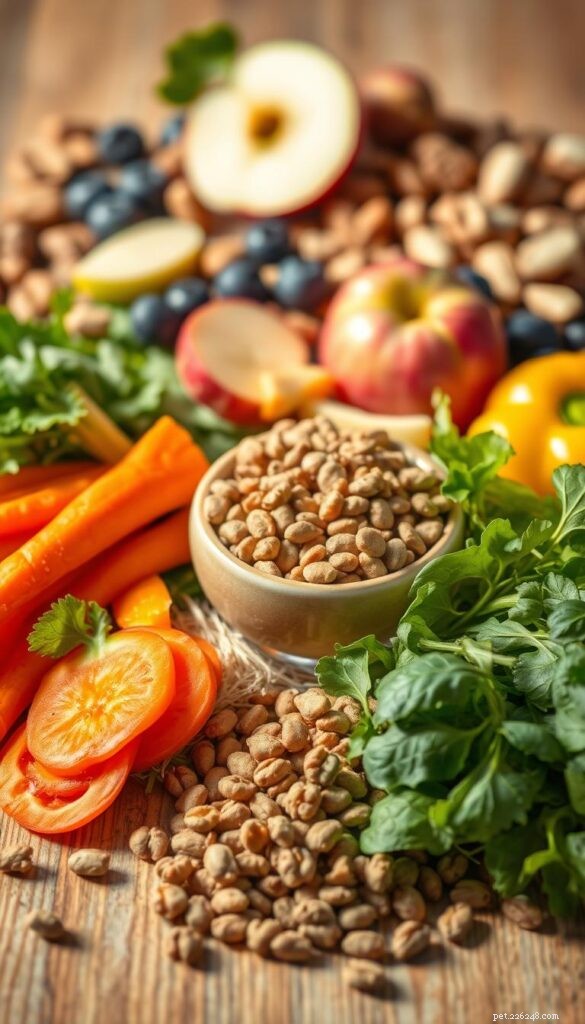
A balanced diet for guinea pigs is built around high‑quality hay, which should make up roughly 80 % of daily intake. Hay provides essential roughage, aids tooth wear, and supports gastrointestinal motility. The remaining 20 % should consist of vitamin‑rich pellets and fresh produce, because these animals are obligate vitamin C consumers. According to veterinary nutrition guidelines, foods such as bell peppers, kale, and leafy greens are non‑negotiable.
Always offer fresh water and introduce new foods slowly. Sudden changes can upset the sensitive gut. Treats—including strawberry leaves—should enhance, not replace, the core components of the diet.
Maintaining variety, using timothy‑based pellets, and monitoring portion sizes will keep your guinea pig energetic and their coat glossy.
Safety and Nutrition of Strawberry Leaves

Strawberry greens are a low‑sugar, high‑fiber snack that supports digestive wellness without raising blood glucose. Veterinary nutritionists recommend these greens as a safer alternative to sugary fruits, especially for pets that need weight control or have dental concerns.
Key benefits include:
| Nutrient | Strawberry Leaves | Strawberry Fruit |
|---|---|---|
| Sugar Content | 0.8 g per 100 g | 4.9 g per 100 g |
| Dietary Fiber | 2.5 g | 2.0 g |
| Vitamin C | 58 mg | 59 mg |
Introduce fresh leaves gradually—1–2 times per week—alongside regular hay. Rotate with other leafy greens like romaine or cilantro to maintain balanced nutrition.
Exploring the Entire Strawberry Plant
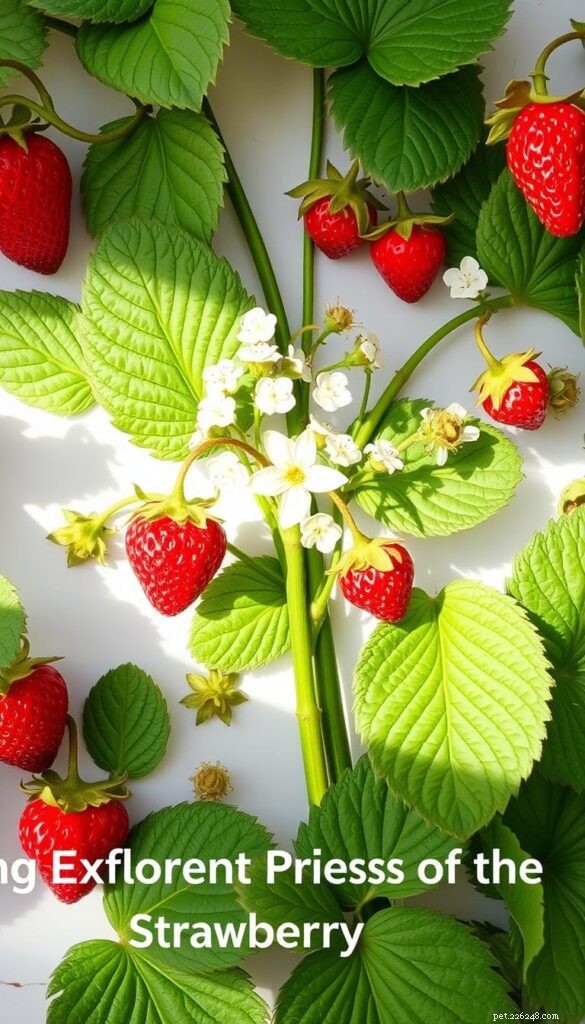
Every part of the strawberry plant can be a nutritious addition:
Edible Greens and Stems
The frilly tops of the plant are rich in vitamin C and make excellent foraging material. Stems are crunchy and help maintain dental health. Mature leaves grown along runners are high in antioxidants. Always remove wilted foliage and avoid plants that have been treated with chemicals.
Seeds and Berry Flesh
Strawberry seeds are safe and contain omega‑3 fatty acids, beneficial for skin and coat health. Combining whole berries (with tops) and fresh stems gives your guinea pig a varied snack while reducing food waste. Keep portions small to preserve the importance of hay.
“Every part of the plant serves a purpose,” notes a rodent nutrition expert. Offering the full plant encourages natural grazing behaviors and delivers essential vitamins and fiber.
Health Advantages of Strawberry Leaves and Fruit
While fruit attracts attention, the leaves offer distinct advantages for small herbivores:
Lower Sugar, Higher Fiber
Leaves contain 83 % less sugar and 25 % more fiber than berries, supporting steady energy levels and digestive regularity.
| Nutrient | Leaves (per 100 g) | Fruit (per 100 g) |
|---|---|---|
| Natural Sugars | 0.8 g | 4.9 g |
| Dietary Fiber | 2.5 g | 2.0 g |
| Antioxidant Units (ORAC) | 1,200 | 900 |
These antioxidants neutralize free radicals, which can reduce inflammation and support joint health. Pair the leaves with vitamin C‑rich veggies like bell peppers for a balanced snack.
Serving Guidelines
Offer fresh leaves 2–3 times per week, always alongside the staple hay. This routine keeps meals exciting while prioritizing long‑term wellness.
Moderation and Portion Control for Strawberry Treats
Because strawberries contain natural sugars, treat portions should be limited. Overindulgence can lead to digestive upset or metabolic issues like diabetes.
For adult guinea pigs, a single medium or two small pieces per week is adequate. Serve bite‑sized portions (the size of a human pinky nail) and split the weekly allowance across several days.
- Half a medium berry per serving, no more than twice a week.
- Space treats over different days.
- Remove uneaten fruit within two hours.
Watch for loose stools or reduced hay intake; these are signs to reduce portions. Treats should complement, not replace, hay and fresh vegetables.
Choosing Between Strawberry Leaves and Whole Strawberries
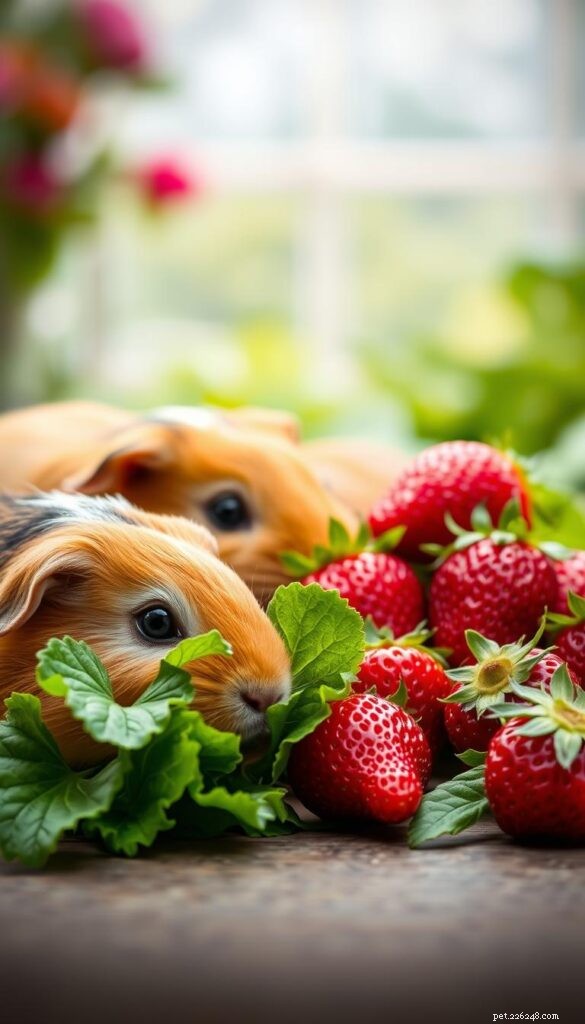
When deciding between the fruit and its foliage, consider sugar content and fiber. Leaves provide 83 % less sugar while delivering 25 % more fiber, making them ideal for maintaining steady energy levels. They also have higher antioxidant levels, which help counter cellular stress.
Comparative insights:
- Carrots match strawberries in sugar but lack the vitamin C boost.
- Blueberries are sweeter and increase weight‑gain risk if overfed.
- Grapes contain triple the sugar and are unsafe for regular snacking.
Serve leafy greens 3–4 times weekly and limit fruit to twice a month. This balanced approach keeps meals engaging without compromising health.
Vitamin C, Antioxidants, and More: Nutritional Power
Strawberries provide a concentrated dose of vitamin C—58.8 mg per 100 g—six times more than blueberries. This nutrient is vital for preventing scurvy, supporting immune function, and repairing tissues.
Beyond vitamin C, strawberries contain potassium, fiber, and plant compounds that support heart health and reduce inflammation. Pair them with leafy greens like kale for a vet‑approved snack routine. Offer 1–2 small pieces weekly alongside a hay‑based diet.
Potential Risks and Overfeeding Concerns
While fresh berries are beneficial, their natural sugars demand careful management. Excess sugar can disrupt gut bacteria, leading to obesity or diabetes. Additionally, strawberries grown in non‑organic settings may harbor pesticide residues—always wash thoroughly and consider organic options.
Red flags to watch for:
- Loose stools after a berry snack.
- Reduced hay consumption.
- Unusual weight gain.
Chronic overfeeding may strain kidneys due to calcium buildup. Combining occasional fruit with leafy greens can buffer sugar absorption and maintain balanced nutrition.
FAQ
Are strawberry leaves safe for my guinea pig?
Yes. The leafy greens are non‑toxic and high in fiber. Rinse them well to remove pesticides before serving.
How often can I offer strawberry treats?
Once or twice a week is sufficient. Even though the fruit has lower sugar than other options, moderation prevents digestive issues.
Do strawberry seeds pose a risk?
No. The tiny seeds are harmless, pose no choking danger, and add minimal texture to the snack.
Which is better: leaves or the berry itself?
Leaves are preferable for daily nibbles because they’re higher in fiber and free of sugars. Reserve the sweet fruit for an occasional reward.
Why prioritize vitamin C in their diet?
Guinea pigs cannot produce vitamin C. Strawberry leaves and fruit help prevent scurvy and support a robust immune system.
Can overfeeding cause health problems?
Yes. Excess fruit can upset the stomach due to sugar content. Stick to tiny portions—like one thin slice—to keep treats safe.
Are there benefits beyond basic nutrition?
Absolutely. Antioxidants in both leaves and berries fight inflammation, supporting overall vitality and reducing stress on their small bodies.
Should I remove stems before serving?
Stems are safe but can be tough to chew. Trim them off for younger or older guinea pigs with sensitive teeth.
- Is Cranberry Juice Safe for Dogs? A Guide to Safe Feeding
- Teach Your Parrot to Sing: A Step‑by‑Step Guide
- Understanding Saltwater Copepods & Amphipods: Life Cycle and Aquarium Role
- Mastiff Dog Breed Guide: Origin, Size, Lifespan & Care
- Why Won’t My Dog Use Artificial Grass? Common Reasons & Solutions
- Understanding Cat Zits: Causes, Symptoms & Care for Feline Chin Acne
- Why Dental Care Is Crucial for Your Pet’s Health