

Can Guinea Pigs Safely Eat Cauliflower Leaves? A Nutritional Guide
While cauliflower florets are a common snack for many pets, the often‑discarded green leaves can be an even more nutritious option for guinea pigs. Fresh, raw leafy greens provide essential vitamins and minerals that complement a hay‑based diet, and many small animals are drawn to the tender texture of cauliflower leaves.
Understanding the Guinea Pig Diet
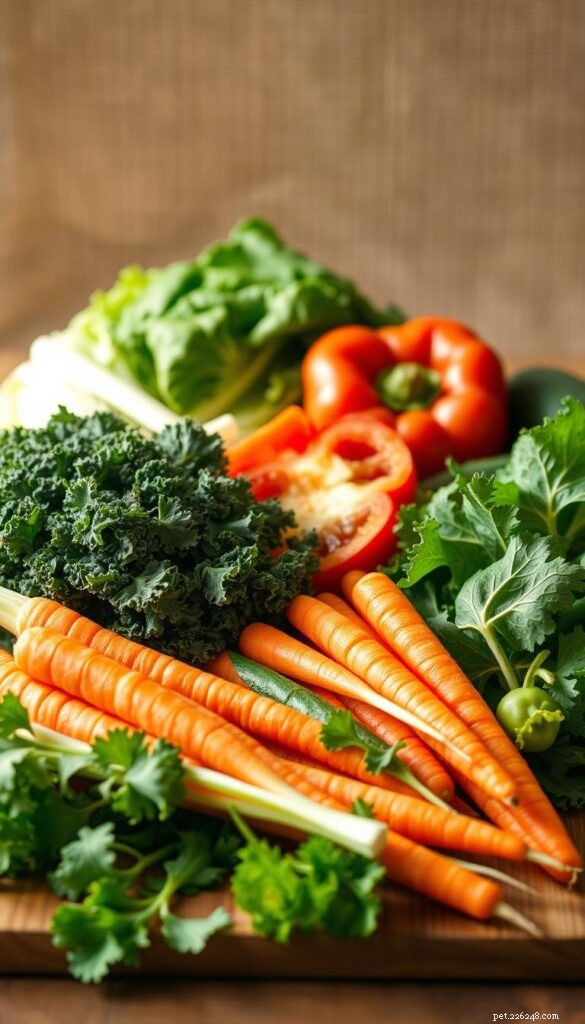
Hay is the cornerstone of a healthy guinea pig diet. Roughage not only mimics their natural foraging behavior, but it also promotes proper digestion and dental health. Aim for 80 % of each day’s intake to be fresh grass or hay.
Role of Hay and Grass in Daily Nutrition
Timothy hay is the gold standard for adult guinea pigs because it delivers an optimal fiber‑to‑calcium ratio. Younger animals benefit from Alfalfa hay, which supplies the extra calcium needed for bone development. Unlimited access to hay keeps teeth trimmed and gut motility steady, reducing the risk of dental disease and gastrointestinal stasis.
| Hay Type | Best For | Key Benefits | Calcium Content |
|---|---|---|---|
| Timothy Hay | Adults | High fiber, low calcium | 0.4 % |
| Alfalfa Hay | Babies | Supports growth | 1.2 % |
Essential Vitamins and Nutrients
Guinea pigs cannot synthesize vitamin C, so leafy greens and fortified pellets are vital to prevent scurvy. A balanced diet that includes a variety of fresh produce helps maintain immune function without overloading the digestive system.
Rotate vegetables weekly to cover all nutritional bases, and always pair fresh produce with hay for optimal health.
Exploring Cauliflower as a Vegetable Option
Cauliflower is rich in vitamin C, with 46.4 mg per 100 g, and its high water content supports hydration. The low sugar level (1.9 g per 100 g) and omega‑fatty acids contribute to healthy skin and joints.
What Sets Cauliflower Apart
Compared with sweeter vegetables like carrots or bell peppers, cauliflower contains only 1.9 g of natural sugars per 100 g, making it ideal for maintaining stable energy levels. Its 15.5 µg of vitamin K supports blood clotting and bone health. Unlike spinach’s oxalate content or kale’s high calcium density, cauliflower is a safe, moderate‑serving option for most guinea pigs.
Nutrient Comparison with Other Veggies
| Vegetable | Vitamin C (mg/100 g) | Sugar (g/100 g) | Special Benefit |
|---|---|---|---|
| Cauliflower | 46.4 | 1.9 | Omega fats |
| Carrot | 5.9 | 4.7 | Beta‑carotene |
| Spinach | 28.1 | 0.4 | Iron |
This comparison highlights cauliflower’s role in filling nutritional gaps while minimizing risks associated with high‑sugar or high‑oxalate choices. Always pair it with a hay‑based diet for completeness.
Nutritional Benefits of Cauliflower
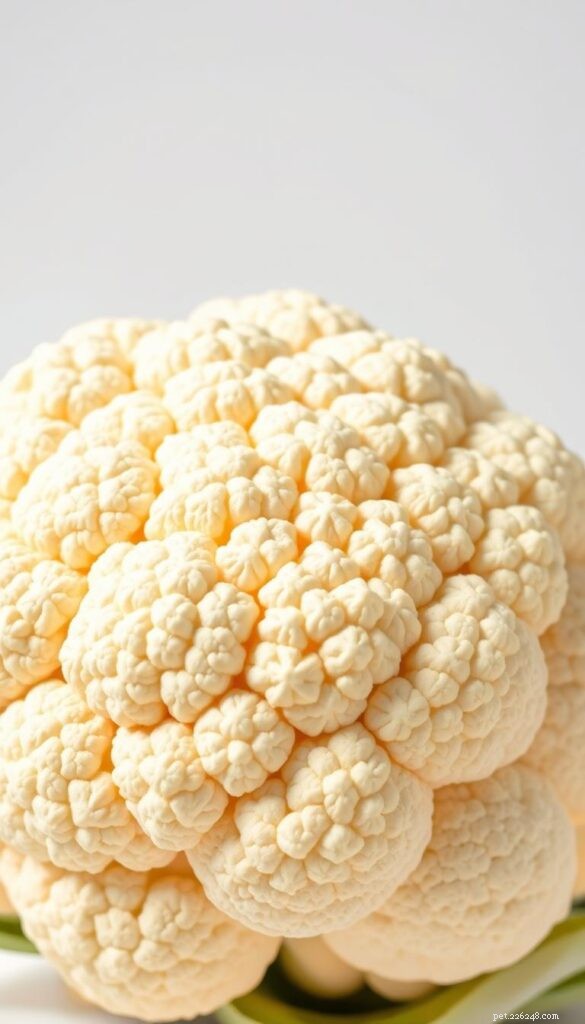
Beyond its crisp texture, cauliflower delivers key compounds that support specific dietary needs in small herbivores.
Vitamin C for Immune Support
With 46.4 mg of vitamin C per 100 g, cauliflower helps prevent scurvy—a common deficiency in guinea pigs on vitamin‑C‑poor diets. The antioxidant properties further bolster immune defenses, especially in aging or stressed animals.
Vitamin K (15.5 µg per serving) aids blood clotting and contributes to bone density over time, creating a protective shield for your companion.
Fiber and Other Digestive Aids
At 2.5 g of fiber per 100 g, cauliflower keeps the digestive tract moving. This roughage supports cecotrophy—the natural process of re‑ingesting nutrient‑rich droppings—maximizing absorption of vitamins and minerals.
The presence of omega‑3 fatty acids promotes healthy skin and coat, while the low sugar content reduces the risk of bloating. Rotating cauliflower with leafy greens maintains gut balance without overstressing the digestive system.
Can Guinea Pigs Eat Cauliflower Leaves?

The tender green parts attached to cauliflower heads are not only edible but also a nutrient‑dense snack that many small pets love. Research shows that cauliflower leaves contain vitamin C levels comparable to florets—about 44.8 mg per 100 g—while offering a softer texture and higher water content that eases chewing and digestion.
| Feature | Florets | Leaves | Benefit |
|---|---|---|---|
| Vitamin C | 46.4 mg | 44.8 mg | Immune support |
| Fiber | 2.5 g | 2.1 g | Digestive health |
| Gas risk | Moderate | Low | Comfort |
Introduce cauliflower leaves gradually—start with thumbnail‑sized pieces twice a week—and observe enthusiastic nibbling. The leaves’ crinkly texture also provides mental stimulation during meals.
Since humans often discard these parts, sharing them with your pet reduces food waste. Always choose organic when possible and rinse thoroughly to remove dirt and residues.
Benefits of Cauliflower Leaves for Your Guinea Pig
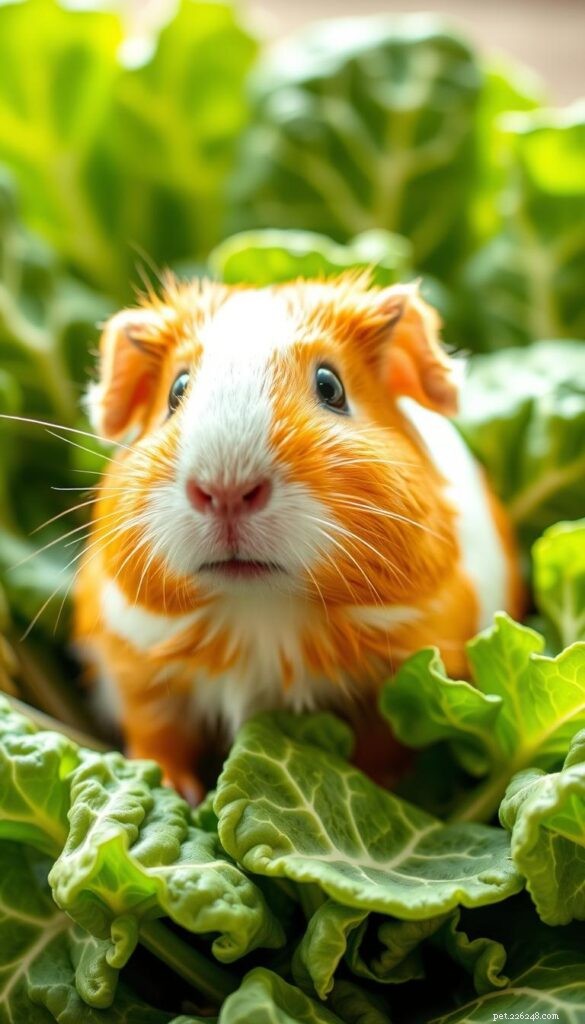
These ruffled greens offer unique advantages that complement standard veggie offerings.
Nature’s Built‑In Hydration System
Crunchy leaves contain 92 % water, making them an excellent source of hydration for small animals. This helps maintain kidney function and supports digestion, especially in hot weather. Pair them with dry hay to balance moisture intake without overwhelming delicate systems.
Skin and Joint Support Through Nutrition
Omega‑3 fatty acids in cauliflower leaves act like natural conditioners, resulting in softer fur and reduced dry skin patches over a few weeks. For senior pets, these fats may ease stiff joints by helping prevent cartilage breakdown.
| Benefit | Key Nutrient | Visible Effect |
|---|---|---|
| Hydration | Water content | Glossy eyes, active behavior |
| Coat quality | Omega fats | Softer fur within 2‑3 weeks |
| Joint health | Anti‑inflammatory compounds | Easier movement in older pets |
Rotate cauliflower leaves with other veggies twice a week for best results. Remove wilted portions immediately to keep meals fresh and safe. Your furry friend’s vibrant energy and shiny coat will reflect the balanced nutrition.
Potential Risks of Cauliflower in the Guinea Pig Diet
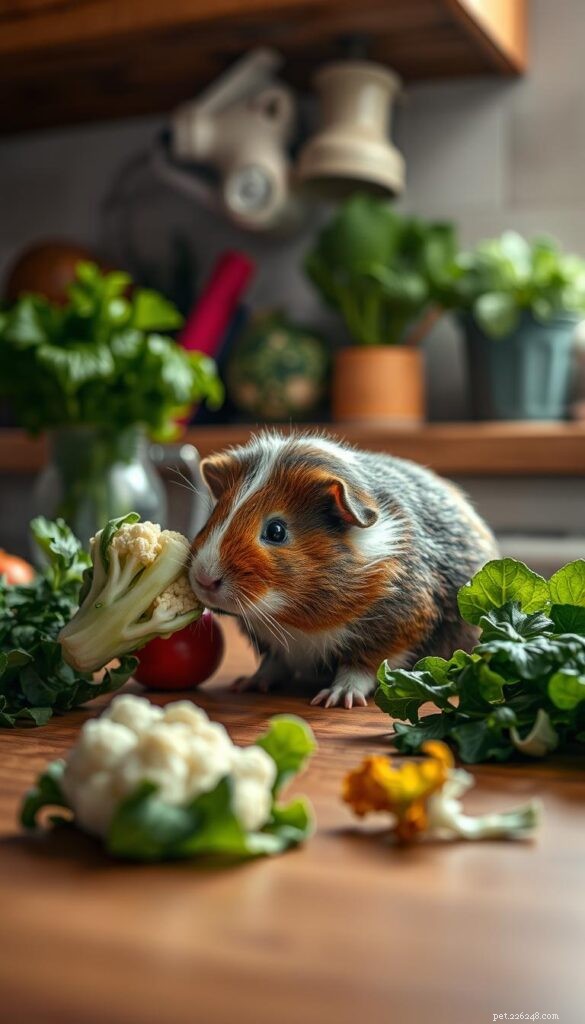
While nutritious, cauliflower leaves require careful portion control and thorough cleaning to avoid health complications.
Mineral Imbalances and Urinary Health
Cauliflower contains 22 mg of calcium per 100 g. Overfeeding can alter the calcium‑to‑phosphorus ratio and contribute to bladder stone formation, a common issue in small pets. Portion control is essential to maintain urinary health.
| Vegetable | Calcium (mg/100 g) | Bladder Stone Risk |
|---|---|---|
| Cauliflower | 22 | Moderate |
| Spinach | 99 | High |
| Bell Pepper | 10 | Low |
Chemical Contamination Dangers
Commercial cauliflower is often treated with pesticides. Residues can linger on leaves unless removed by thorough washing. Soaking greens in a baking soda solution (1 tsp per cup of water) for 5–10 minutes before rinsing effectively reduces pesticide load—even on organic produce.
Excessive portions can cause gas and bloating. Watch for reduced appetite or unusual stillness after meals; these signs indicate the need to adjust serving sizes or frequency.
Preparing Cauliflower Leaves Safely
Turning kitchen scraps into safe snacks requires meticulous preparation. Proper handling maximizes nutrition while minimizing digestive upset and chemical exposure.
Effective Washing and Cleaning Techniques
Start by rinsing greens under cool running water for 30 seconds. Use a soft brush to scrub crevices where pesticides hide. For extra protection, soak leaves in a baking soda solution (1 tsp per cup of water) for 5 minutes before the final rinse.
| Step | Tool | Time | Purpose |
|---|---|---|---|
| Initial Rinse | Colander | 30 sec | Remove surface dirt |
| Deep Clean | Vegetable brush | 2 min | Eliminate residues |
| Final Dry | Paper towels | 1 min | Prevent mold growth |
Cutting into Ideal Serving Sizes
Slice leaves into half‑inch strips for young or small guinea pigs. Adults can handle one‑inch pieces twice weekly. Remove fibrous stems completely—they’re tough to digest and offer less nutritional value.
Store prepared portions in airtight containers for up to 3 days. Always check freshness before serving—wilted greens lose vitamins and may cause stomach issues. Match servings to your pet’s size:
| Pet Weight | Leaf Quantity | Frequency |
|---|---|---|
| Under 1 lb | 1‑2 pieces | 2 × weekly |
| 1‑2 lb | 3‑4 pieces | 3 × weekly |
Introducing Cauliflower to Your Guinea Pig
New foods can excite curious pets, but gradual introduction is key. Begin with thumbnail‑sized portions to test tolerance while keeping meals engaging.
Gradual Integration Methods
Offer a single leaf or half‑inch floret during regular feeding times. Observe for 48 hours—firm droppings and steady appetite signal good acceptance. If stools soften or energy dips, pause new items for a week.
Increase portions slowly when results stay positive. Transition to one‑inch pieces over 2‑3 weeks, mixing with familiar veggies. Rotate cauliflower with other greens to maintain nutritional balance and prevent boredom.
Always serve raw leaves rinsed in cold water. Chop fibrous stems away since they’re harder to digest. Pair these treats with unlimited hay to support gut health and natural chewing habits.
Your furry friend’s enthusiasm and digestion will guide ideal serving sizes. Consistent monitoring ensures every meal remains safe and enjoyable.
FAQ
What’s the foundation of a healthy diet for my pet?
Fresh hay and grass should make up 80 % of their daily meals. These provide essential fiber for digestion and support dental health by wearing down constantly growing teeth.
How does cauliflower compare to other vegetables for my pet?
It’s lower in sugar than carrots or bell peppers but higher in vitamin C. The leaves also offer omega fats, which help maintain a shiny coat and skin health.
Are there specific nutrients in cauliflower that benefit my pet?
Yes! The vitamin C boosts their immune system, while fiber aids digestion. Just avoid overfeeding due to moderate calcium levels linked to bladder stones.
Can they safely consume cauliflower leaves?
Absolutely—in moderation. Wash leaves thoroughly to remove pesticides, and serve small portions twice weekly to prevent digestive upset or calcium buildup.
Do the leaves offer unique health advantages?
Their high water content supports hydration, and omega fats promote a soft, healthy coat. Always pair with hay to balance their nutrient intake.
What risks should I watch out for when feeding cauliflower?
Excess calcium may lead to bladder stones, and pesticide residues can harm your pet. Stick to organic options and limit servings to twice a week.
How should I prepare cauliflower leaves to ensure safety?
Soak them in cold water for 5–10 minutes, rinse under a faucet, and chop into bite‑sized pieces. Remove tough stems to avoid choking hazards.
How do I introduce this veggie into their meals?
Start with a tiny piece once a week. Watch for bloating or diarrhea, and adjust portion sizes based on their tolerance. Always prioritize hay first!
- Do Ragdoll Cats Shed? What You Need to Know
- The Ultimate Guide to Dog Harnesses: Comfort, Safety, and Performance
- Effective Dog Training: Positive Reinforcement for Stronger Bonds
- Reptiles Unveiled: Four Orders, One New Zealand‑Only Species
- How to Properly Clean Your Cat’s Food & Water Bowls for Health and Hygiene
- Dog Urination: How Many Times a Day is Ideal? Expert Guide
- Why Is My Rabbit Lethargic? Key Signs and Immediate Actions