

Can Guinea Pigs Safely Eat Zucchini Squash? Expert Feeding Guide
Adding fresh veggies to your pet’s diet can boost their nutrition—but moderation is crucial. Zucchini offers vitamins and hydration, making it a smart choice for small herbivores. However, introducing new foods requires careful planning to avoid digestive upset.
This guide explains how to safely incorporate this summer squash into meals. You’ll learn proper serving sizes, preparation tips, and how it complements other vegetables. We’ll also cover why portion control matters and when to consult your vet about dietary changes.
Understanding your furry companion’s needs helps create a balanced menu. Zucchini’s low oxalate content makes it gentler on their system compared to some greens. Still, variety remains key for meeting all their nutritional requirements.
By the end, you’ll know exactly how to prepare this veggie while avoiding common pitfalls. Let’s explore how zucchini fits into a healthy feeding routine!
Can Guinea Pigs Eat Zucchini Squash?
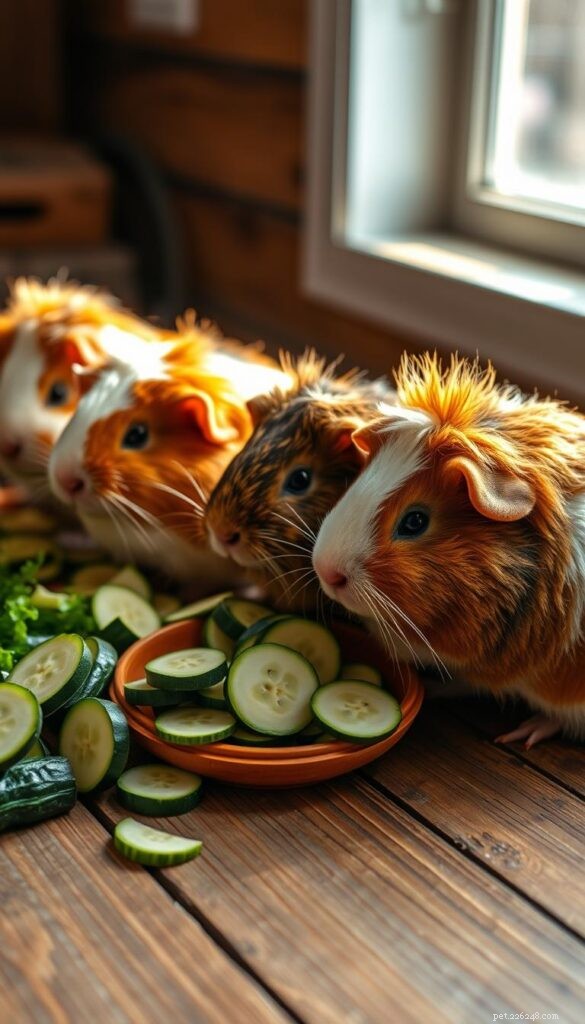
Wondering about adding summer squash to your pet’s meals? Zucchini provides essential nutrients like vitamin C and potassium, which help maintain healthy bodily functions. Though safe for consumption, some furry friends might turn up their noses at first—taste preferences vary widely.
Start with tiny portions—a thin slice twice weekly—to let your pet adjust. Pair it with familiar favorites like bell peppers or hydrating vegetables to encourage acceptance. Researching each new food’s benefits and risks ensures you’re making informed choices for their wellbeing.
Veterinarians emphasize that variety prevents nutritional gaps. Zucchini’s low sugar content makes it gentler than fruits, while its water content aids hydration. However, it shouldn’t replace staples like hay, which should comprise 80% of their diet.
If your companion hesitates, try different preparation methods. Some prefer raw chunks, while others enjoy shredded pieces mixed into leafy greens. Patience pays off—many owners report their pets eventually enjoy this veggie after several introductions.
Understanding the Nutritional Benefits
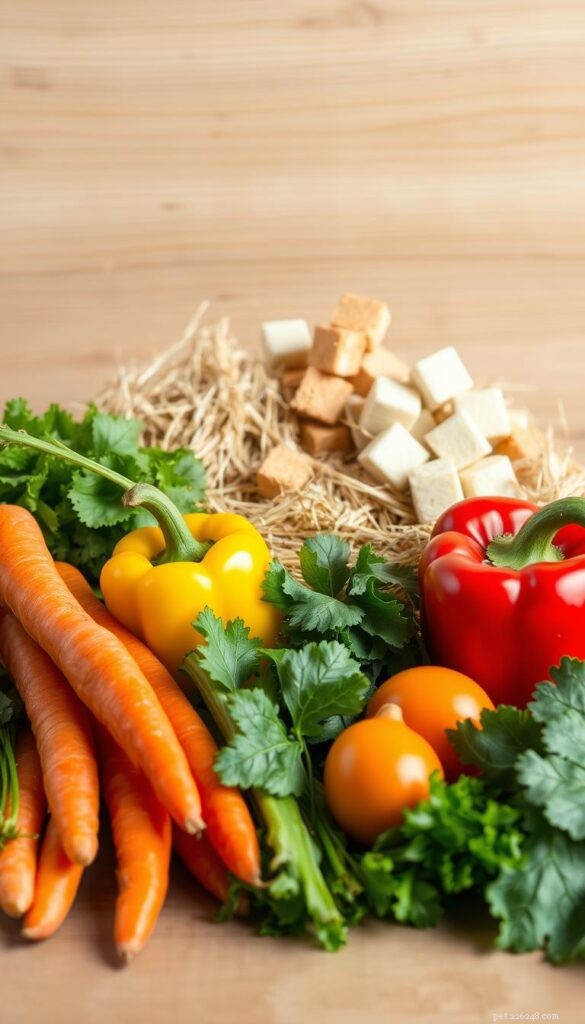
Keeping your furry friend healthy involves more than just filling their bowl—it’s about choosing nutrient‑packed foods that work together. Zucchini’s subtle sweetness hides a powerhouse of vitamins and minerals tailored to support small herbivores. Let’s break down why this veggie deserves a spot in their meal rotation.
Nutrients to Boost Your Pet’s Health
This summer squash delivers vitamin C, which their bodies can’t produce naturally. Potassium aids muscle function, while manganese supports bone development. “The combination of antioxidants and fiber creates a protective effect,” notes a small‑animal nutritionist. These elements help maintain energy levels and repair tissues during growth.
The Role of Hydration in Their Diet
Zucchini’s high water content (over 95%) acts like a built‑in hydration helper. While fresh water is essential, moisture‑rich foods prevent dehydration during playtime or warmer weather. This dual approach supports kidney function and digestion without overwhelming their system.
Pairing zucchini with leafy greens creates balanced meals that address multiple needs. Remember: variety ensures they receive all essential nutrients for a vibrant, active life. Rotate veggies weekly to keep their diet exciting and nutritionally complete!
Vitamin Content in Zucchini for Your Guinea Pig
Fresh produce becomes a nutritional powerhouse when chosen wisely. Zucchini stands out with two key vitamins that address specific health needs in small pets. Let’s explore how these nutrients work together to keep your companion thriving.
Vitamin A and Its Importance
This nutrient acts like nature’s eyeglasses for your furry friend. Since their vision isn’t sharp, vitamin A helps maintain existing eye health. It also supports proper growth in young pets and strengthens defenses against illnesses.
Vitamin C for a Strong Immune System
Unlike humans, these animals can’t produce their own vitamin C. One serving provides 12.9 mg—nearly 25% of their daily needs. Regular intake prevents scurvy and helps fight infections year‑round.
| Vitamin | Key Benefit | Daily Requirement |
|---|---|---|
| A | Eye health & growth | 200‑300 IU |
| C | Immune support | 10‑50 mg |
Vets often suggest rotating vitamin‑rich veggies like zucchini with other greens. This approach prevents deficiencies while keeping meals exciting. Always monitor your pet’s response when introducing new foods—their wellbeing comes first!
Feeding Guidelines and Appropriate Portions
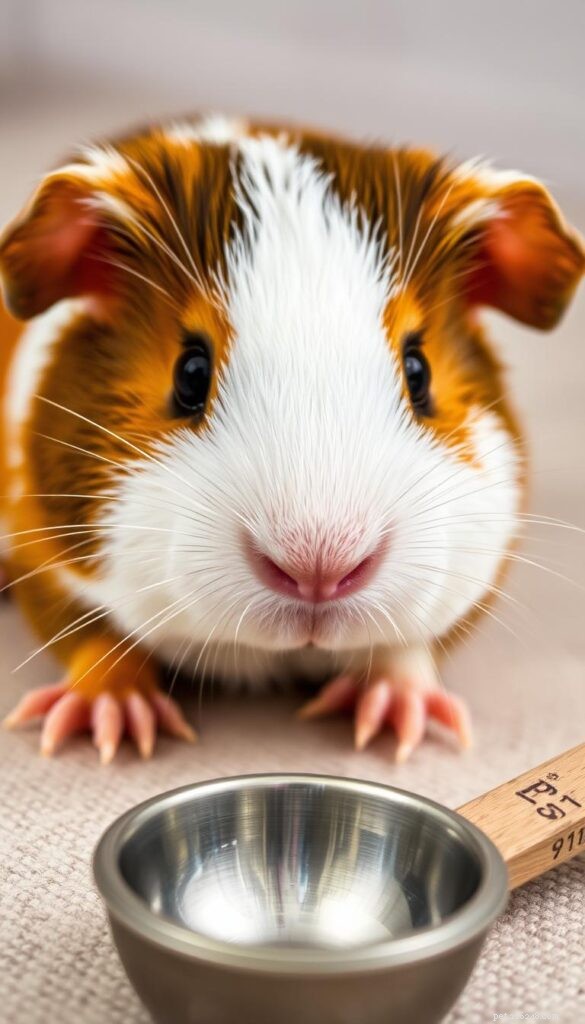
Balancing your pet’s plate requires precision—too much of any single ingredient can throw off their nutritional harmony. A daily cup of mixed veggies and occasional fruits complements their hay‑based diet, providing essential vitamins without overloading their sensitive systems.
Determining the Right Amount Daily
Start with smaller slices—about half an inch—to let your furry companion adjust. Over 3‑4 days, work up to 40 grams (1‑2 inches) of raw zucchini. Pair it with bell peppers or leafy greens to create colorful, nutrient‑dense meals. Variety prevents boredom and ensures they get diverse minerals.
Veterinarians emphasize tracking calcium‑to‑phosphorus ratios across all veggies. “Rotate low‑oxalate options like zucchini with calcium‑rich choices to maintain balance,” suggests Dr. Emily Carter, a small‑animal nutrition specialist. This approach supports bone health while avoiding urinary issues.
Watch for soft stools or disinterest—signs you’ve crossed the portion threshold. Adjust quantities based on their reactions, keeping 80% of their diet as hay. Remember: fresh produce enhances—but doesn’t replace—their primary food sources.
Steps for Safely Introducing Zucchini
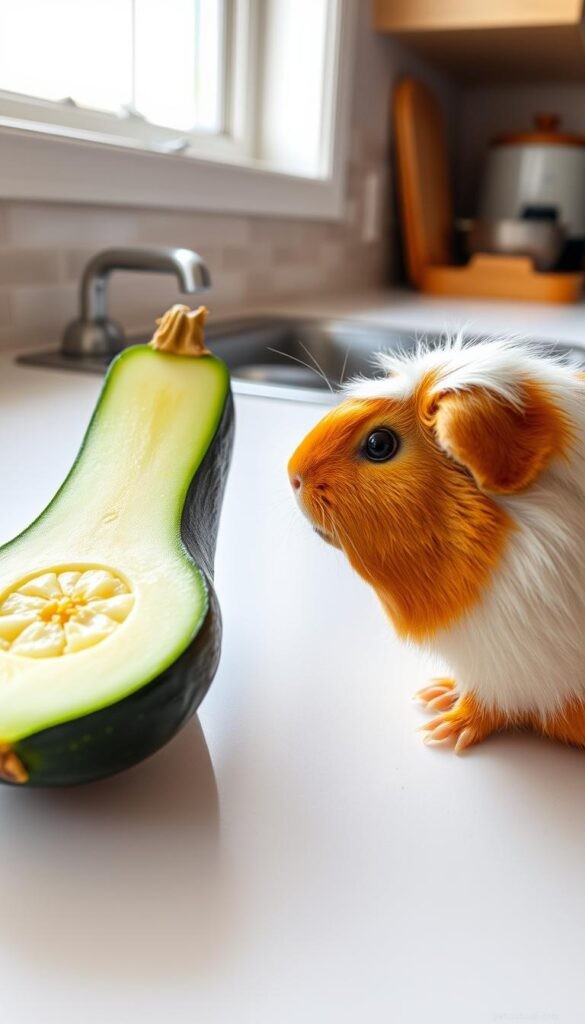
Transitioning your small pet to new foods requires thoughtful steps to ensure digestive safety. Start with a thumbnail‑sized piece of raw zucchini—roughly 5 grams—to gauge their reaction. Pair it with favorite veggies like romaine lettuce or cilantro during their first exposure.
Check produce quality thoroughly before serving. Look for firm texture and vibrant green skin—avoid any soft spots or discoloration. Freshness matters most: spoiled pieces can disrupt gut health within hours.
| Day | Portion Size | Monitoring Focus |
|---|---|---|
| 1‑2 | 1 tsp shredded | Appetite changes |
| 3‑4 | 2 tsp diced | Stool consistency |
| 5‑7 | 1 tbsp sliced | Energy levels |
Remove uneaten portions within 3 hours to prevent bacterial growth. Track responses in a notebook—note enthusiasm during feeding times or unusual behaviors. One owner shared: “My pair took four tries before nibbling zucchini, but now it’s their midday ritual!”
If reactions stay positive through the first week, gradually increase portions to match their size. Always maintain hay as the dietary foundation—veggies should complement, not replace, this staple. Patience ensures a smooth transition to new flavors!
Potential Risks and Downsides to Consider
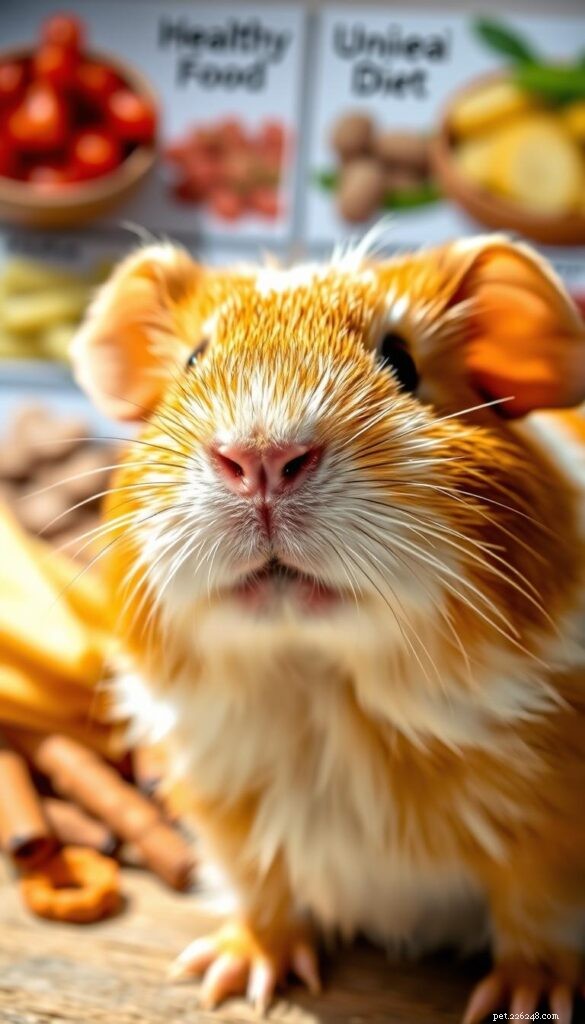
Even nutritious foods like zucchini have drawbacks when not managed properly. While this veggie supports hydration and vitamin intake, overfeeding can disrupt your pet’s delicate digestive balance. Watch for loose stools or reduced hay consumption—signs you’ve crossed the portion threshold.
The high water content—while great for hydration—may soften stools if portions exceed 1‑2 inches daily. Pair zucchini with fibrous veggies like bell peppers to maintain digestive rhythm. Sensitive pets might need smaller servings introduced over weeks.
Texture preferences matter too! Some furry friends avoid zucchini’s mild crunch initially. Try shredding it into leafy greens or mixing with fragrant herbs. “Consistency matters more than quantity during introductions,” notes a vet‑approved feeding guide.
| Vegetable | Calcium (mg) | Phosphorus (mg) |
|---|---|---|
| Zucchini | 16 | 38 |
| Kale | 254 | 55 |
| Bell Pepper | 10 | 20 |
Always scrub store‑bought zucchini thoroughly—pesticides linger on the skin. Organic options reduce chemical exposure for your guinea pig’s sensitive system. Discard leftovers within 3 hours to prevent bacterial growth.
Notice unusual lethargy or appetite changes? Consult a veterinary professional immediately. Regular check‑ups ensure your companion thrives on their veggie‑enhanced diet while avoiding long‑term health issues.
Factoring in Taste Preferences and Texture
Just like people, pets have their own food quirks. Many guinea pigs enjoy zucchini’s mild flavor, but texture plays a big role. Some avoid the slightly bitter skin—peeling it often increases acceptance. Try offering thin slices or grated pieces to see what your furry friend prefers.
If your pet hesitates, don’t worry! Taste preferences can change over time. One owner shared their guinea pig ignored zucchini for weeks before finally nibbling a peeled piece. Rotating veggies like zucchini with crunchy options keeps meals exciting while meeting nutritional needs.
Preparation matters: Wash thoroughly and remove seeds for picky eaters. Serve raw at room temperature to preserve nutrients. Pair with fragrant herbs like cilantro to entice reluctant snackers.
Remember, every guinea pig is unique. Observe their reactions closely—licking versus tossing food reveals their true feelings. With patience, you’ll discover the perfect veggie combinations for your companion’s palate!
FAQ
Is zucchini squash safe for my pet to eat?
Yes! This veggie is vet‑approved for guinea pigs when served in moderation. Its low sugar and high water content make it a refreshing, healthy snack.
What health benefits does this veggie provide?
Packed with vitamin A for vision and vitamin C for immunity, it supports overall wellness. The high moisture content also aids hydration, especially during warmer months.
How much should I offer at each serving?
Start with a thin slice (1‑2 tablespoons) twice weekly. Always pair it with their primary diet of hay and pellets to avoid digestive upset.
Any tips for adding it to their meals?
Wash thoroughly, remove seeds, and serve raw. Introduce slowly over 3‑4 days while monitoring stool consistency. Rotate with other safe veggies like bell peppers or cucumbers.
Are there risks if they eat too much?
Overfeeding may cause bloating or diarrhea due to excess water intake. Stick to small portions and consult an exotic vet if you notice unusual behavior.
What if my furry friend doesn’t like it?
Some pets prefer crunchier textures. Try grating it over their greens or mix with favorite herbs like cilantro. If they refuse, other vitamin‑rich options like romaine lettuce work too!
- Caring for Senior Dogs: Nutrition, Health, Safety & Common Conditions
- Why You Should Cook Homemade Dog Food: 5 Key Benefits
- Key Behavioral Changes in Pregnant Dogs: What to Expect
- Understanding Sudden Cat Attacks: Causes and Prevention Strategies
- Embrace the Majesty of Irish Wolfhounds: Size, Grace, and Gentle Giant Appeal
- Is Pudding Safe for Dogs? A Guide to Treating Your Canine Friend
- King Kanine CBD Oil for Cats: In‑Depth Review & Benefits