

Can Guinea Pigs Safely Eat Spaghetti Squash? A Vet‑Approved Guide
Curious about expanding your guinea pig’s menu? Many owners look for safe, nutrient‑rich options that keep their small herbivores excited. Spaghetti squash, a popular winter vegetable, delivers flavor, vitamins, and a playful texture—provided it’s handled correctly.
Understanding Spaghetti Squash and Its Appeal for Guinea Pigs
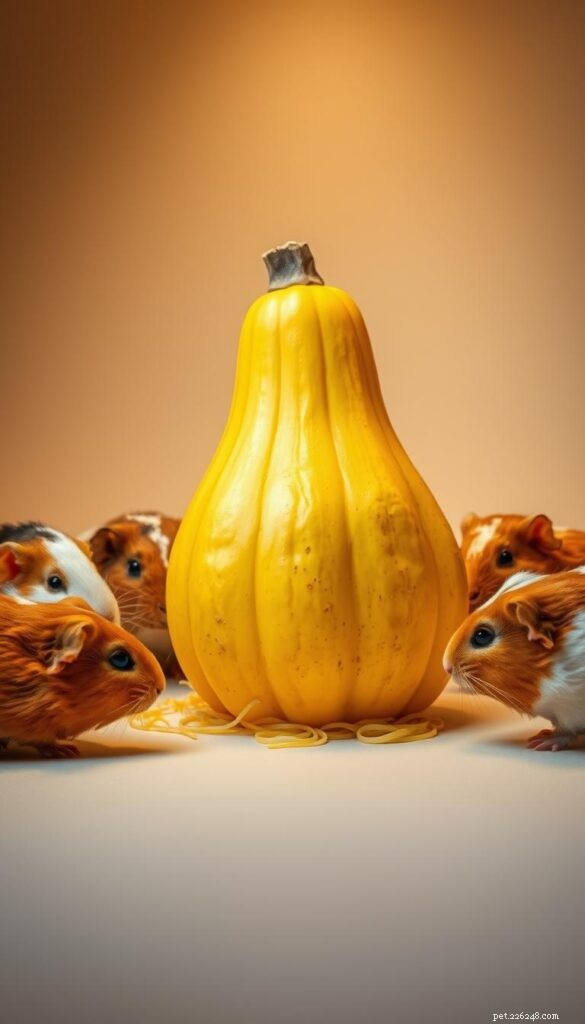
Spaghetti squash’s pale yellow flesh splits into noodle‑like strands when raw, a texture that entices both humans and small animals. Its mild sweetness and satisfying crunch stimulate natural foraging behaviors, making it a fun addition to a guinea pig’s daily diet.
What Is Spaghetti Squash?
Belonging to the Cucurbitaceae family, spaghetti squash is closely related to zucchini and cantaloupe. Unlike the cooked varieties served to people, guinea pigs enjoy it raw to preserve its crispness and nutritional value.
Why It Catches Your Pet’s Interest
Guinea pigs thrive on variety. The light, stringy texture encourages playful nibbling, while the subtle sweetness offers a mental boost that breaks the monotony of standard greens.
Can Guinea Pigs Eat Spaghetti Squash?
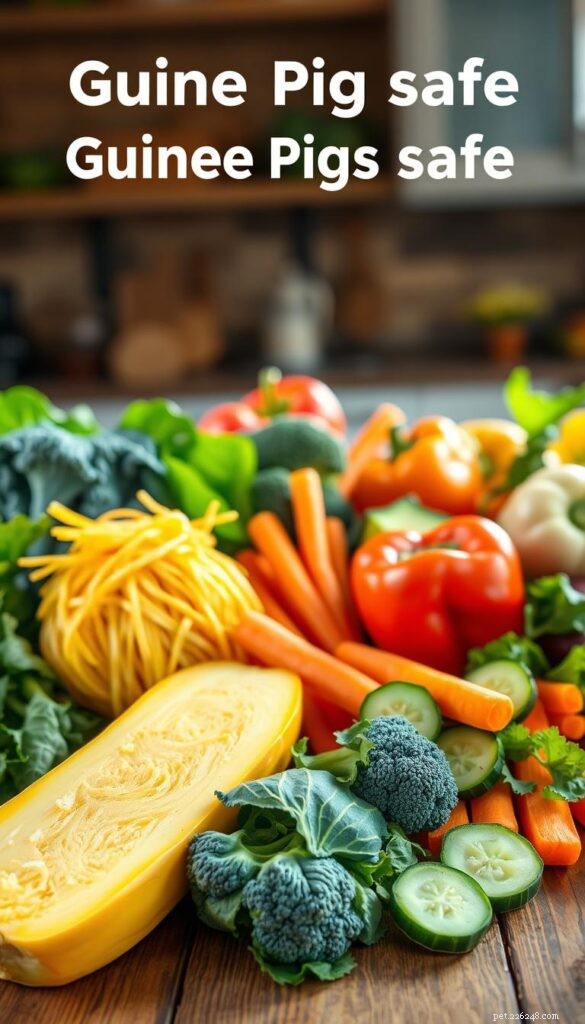
Yes—spaghetti squash is a safe, occasional treat when prepared properly. Key steps include removing the tough outer skin and stringy pulp, which can irritate delicate digestive systems.
| Safe Parts | Unsafe Parts | Frequency Tip |
|---|---|---|
| Raw flesh (chopped) | Seeds & skin | 2–4 times weekly |
| Inner strands | Cooked varieties | Rotate with greens |
Choose pesticide‑free varieties, whether winter or summer, and pair the treat with calcium‑rich veggies such as bell peppers. Moderation is essential to keep tiny tummies happy.
Proper Preparation Methods for Spaghetti Squash
Cleaning and Cutting Techniques
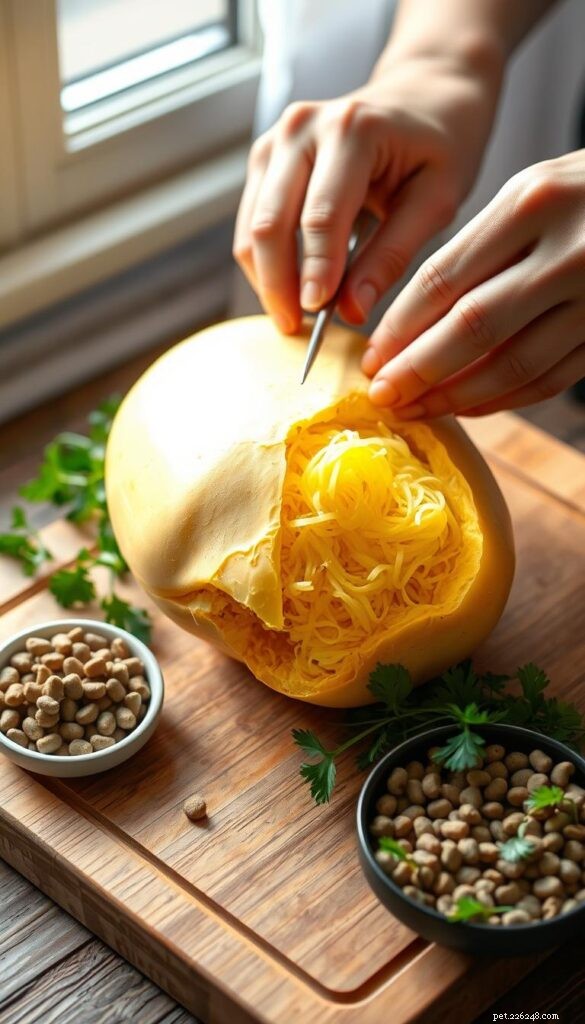
Scrub the exterior under cool water to remove dirt. Slice the squash lengthwise with a sharp chef’s knife, creating stable halves for easier scooping. Keep pieces no larger than a thumbnail to prevent choking. Pat the flesh dry with a paper towel to preserve its crispness.
Removing Skin and Seeds Efficiently
Use a sturdy spoon to scrape out all seeds and stringy bits; the skin should never be served. Serve only the pale yellow flesh raw to retain vitamin C content. Store prepped portions in airtight containers for 2–3 days and pair with leafy greens for a balanced snack.
Nutritional Benefits of Spaghetti Squash for Your Pet
Essential Vitamins and Minerals
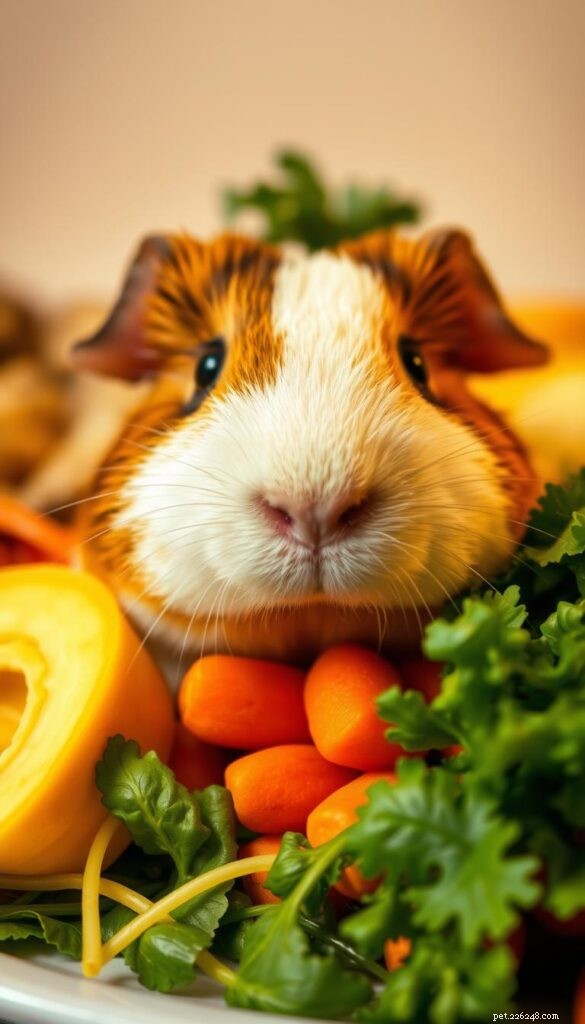
Spaghetti squash is rich in vitamin A for healthy vision and skin. A single serving delivers about 12.9 mg of vitamin C—vital for guinea pigs, which cannot synthesize this nutrient. Calcium supports bone health, but should be balanced with phosphorus; pairing squash with low‑calcium greens helps maintain this equilibrium.
Hydration and Fiber Contributions
With over 90 % water content, this squash aids hydration, especially in warmer months. Its crunchy texture encourages nibbling while supplying dietary fiber that promotes smooth digestion and healthy gut bacteria.
Understanding the Right Feeding Amounts
Recommended Frequency: 2 to 4 Times Per Week
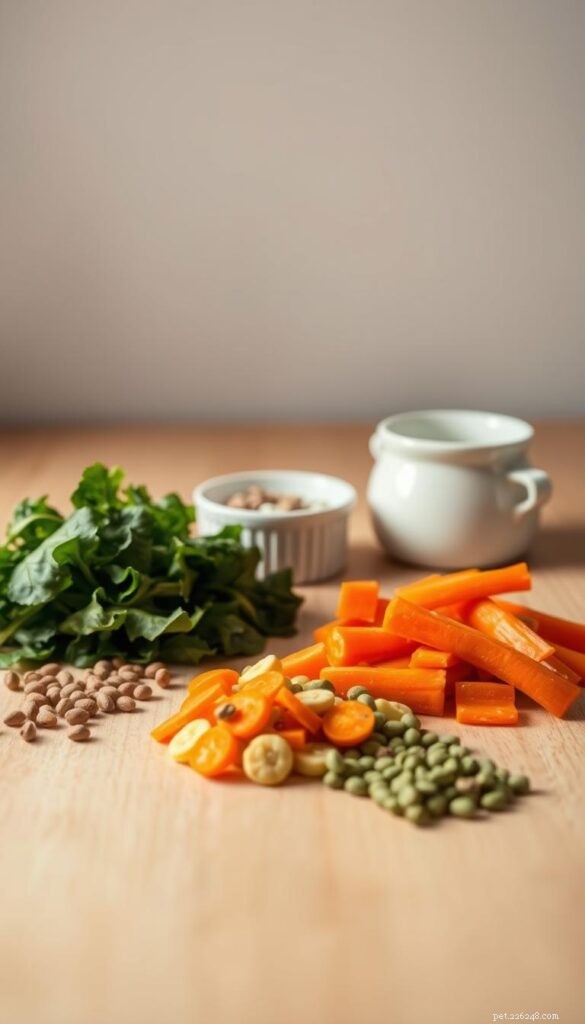
Incorporate spaghetti squash 2–4 times weekly to prevent nutritional overload. Aim for a 40‑gram serving—roughly a 1–2 inch chunk—paired with leafy greens and bell peppers to meet daily vegetable goals. Younger or more sensitive guinea pigs may benefit from smaller portions.
| Days Weekly | Portion Size | Companion Foods |
|---|---|---|
| 2–4 | 40 g raw flesh | Romaine, cilantro |
| 1–2 | 20 g (newbies) | Bell peppers, parsley |
Always keep hay as 80 % of the diet; vegetables should complement, not replace, it.
Comparing Spaghetti Squash with Other Vegetables
Choosing the right veggies keeps meals exciting and nutritionally balanced. Spaghetti squash offers unique textures compared to zucchini and seasonal squashes.
Spaghetti Squash vs Zucchini
Both provide vitamin A and C, but zucchini contains slightly higher water content, making it ideal for hydration. Spaghetti squash’s stringy strands encourage playful foraging, while zucchini offers a crisp bite. Rotate both 2–4 times per week.
Seasonal Squashes in Your Diet
Winter varieties like butternut squash add beta‑carotene, while yellow squash provides potassium. Rotating squashes mimics natural foraging patterns, supporting overall health.
| Vegetable | Key Nutrient | Texture |
|---|---|---|
| Zucchini | Vitamin C (12.9 mg) | Crisp & juicy |
| Spaghetti Squash | Fiber | Stringy & chewy |
Potential Risks and Precautions for Your Guinea Pig
Even beneficial foods require careful handling to avoid digestive upset.
Sweetness and Safety Balance
While lower than melons, the natural sugars can lead to weight gain or discomfort if overfed. Experts recommend limiting to 1–2 servings per week for sugar‑sensitive pets.
| Safe Practices | Risks to Avoid | Action Steps |
|---|---|---|
| Raw flesh (chopped) | Skin & seeds | Discard leftovers within 2 hours |
| 40 g portions | Rotten pieces | Check cage floor after meals |
Always peel the tough outer layer to prevent intestinal blockages. Monitor for lethargy or appetite changes after introducing new foods; these signs may signal digestive issues requiring veterinary attention.
Tips for Successfully Introducing New Foods to Your Guinea Pig
Start Small, Observe Closely
Offer a pea‑sized piece of raw squash and watch for 24–48 hours for loose stools or reduced appetite. Gradual increases and pairing with familiar greens help ensure smooth adaptation.
Maintain a rotation of 2–3 different veggies weekly, prioritizing high‑fiber staples to keep the digestive system running smoothly.
FAQ
What makes spaghetti squash appealing to small pets?
Its mild flavor and soft, stringy texture mimic many familiar veggies, while the playful strands provide mental stimulation during nibbling.
Are there safety tips I should follow when offering this vegetable?
Always remove seeds and skin first, serve raw in tiny portions, avoid seasoning or oils, and monitor closely during initial feedings.
How do I prepare it without risking digestive issues?
Wash thoroughly under cool water, slice into paper‑thin strips, and discard all inner pulp. Offer only the pale yellow flesh to keep sugar intake low.
What nutrients does it contribute to a balanced diet?
It’s rich in vitamin C for immune support and manganese for bone health. The high water content (92 %) aids hydration between fresh water refills.
How frequently can I add it to meals?
Two to four weekly servings (½ teaspoon per serving) work best. Rotate with leafy greens like romaine lettuce and herbs for variety.
How does it compare to zucchini nutritionally?
Both are low‑calorie, but zucchini offers slightly more potassium. Spaghetti squash delivers more beta‑carotene, supporting eye health without spiking sugar levels.
Could the skin cause health problems?
Yes. The tough outer layer isn’t digestible and can lead to intestinal blockages. Always peel it completely before serving.
What’s the best way to introduce new veggies like this?
Start with a pea‑sized piece alongside their regular hay. Gradually increase the amount over 7–10 days while watching for changes in droppings or energy levels.
- Blue Jay: Characteristics, Habitat & Nesting
- The Real Impact of Your Stress on Cats: What You Need to Know
- Can Kids Successfully Foster Dogs? Expert Tips & Support
- 8 Expert Reasons Why Cats Cover Their Faces While Sleeping
- How to Safely Purchase Antibiotics for Your Dog's Ear Infections
- Mice Nutrition: From Wild Diets to Pet Care
- Caring for a Blind & Deaf Dog: Expert Tips for Owners