

Understanding Guinea Pig Loss: Causes, Prevention, and Care
Losing a small companion can leave owners with unanswered questions and deep sorrow. When a guinea pig passes unexpectedly, many wonder if they missed subtle signs of distress. These social animals often conceal illness, making early detection difficult.
Sudden health declines in guinea pigs are usually caused by a combination of age‑related complications, undiagnosed conditions, and environmental stressors. Respiratory infections, digestive problems, and heart disease are among the most common culprits. Even minor changes in diet or habitat can trigger serious consequences.
This guide offers practical ways to honor your pet’s memory through knowledge and prevention. You’ll learn how to recognize early warning signals, create safer living spaces, and apply proven care strategies. Real stories from other owners provide comfort and highlight crucial care insights.
While nothing can replace the bond you shared, understanding what happened brings clarity during this difficult time. Let’s explore preventive measures and essential care practices that help ensure happier, longer lives for these affectionate animals.
A Heartfelt Look at Guinea Pig Loss
The sudden silence after losing a tiny companion can echo louder than expected. These social creatures leave paw prints on your heart, and their absence is profoundly felt. Your grief is valid—their small size never diminished the big role they played in your daily life.
“I’m so sorry you had to go through that, but at least you were there for her,” shares one owner, recalling their final moments with Peanut Butter. “She looked at me so sweetly… I kept telling her it was time to cross the rainbow bridge.”
Many pet lovers describe feeling helpless during those last breaths, wishing they’d noticed signs sooner. Remember: guinea pigs often mask discomfort instinctively, so you likely provided more comfort than you realize by simply being present.
Connecting with others who’ve faced similar pain can offer solidarity. Honor your friend’s memory through photos, a planted flower, or quiet reflection. Healing isn’t linear, but each step forward celebrates the joy they brought you.
Understanding Guinea Pig Health and Illness
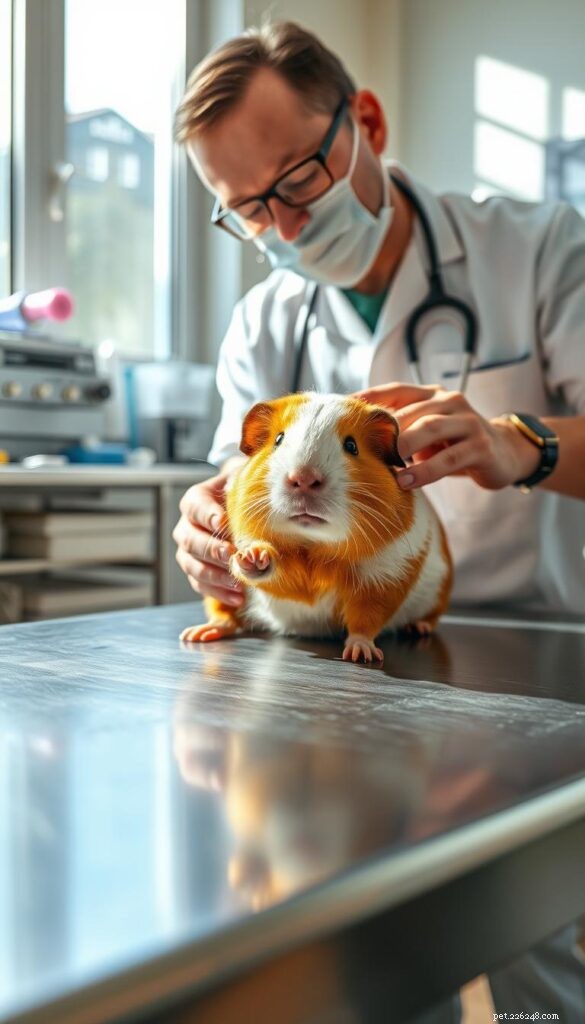
Recognizing patterns in your pet’s well‑being starts with knowing what to watch for. Because small animals hide discomfort instinctively, subtle shifts in behavior or appetite often signal underlying problems. Early detection can dramatically improve outcomes for age‑related concerns or preventable issues.
Common Health Issues in Guinea Pigs
Dental problems rank high among health challenges for these pets. Overgrown teeth can make eating painful, leading to weight loss and weakness. Regular checks for drooling or uneaten food help catch issues before they worsen.
Reproductive disorders affect both males and females. Ovarian cysts in females or testicular swelling in males often require veterinary intervention. Spaying or neutering reduces these risks significantly.
Solitary companions often face age‑related decline, while group‑living animals battle contagious illnesses. For example, respiratory infections spread quickly in shared spaces. Always quarantine new arrivals to protect existing pets.
Differences Between Infectious and Non‑Infectious Conditions
Bacterial or viral illnesses demand immediate isolation and specialized care. Common guinea pig health issues like pneumonia often stem from poor ventilation or stress. Antibiotic treatments require caution, as these animals react poorly to certain medications.
Non‑contagious conditions, such as bladder stones or arthritis, develop slowly. These are often linked to diet or habitat setup. Providing vitamin C‑rich foods and spacious enclosures supports long‑term health.
Work with an exotic‑savvy vet to navigate treatment options. Their expertise ensures safer recovery paths for your furry friend.
Exploring the Details Behind Guinea Pig Deaths
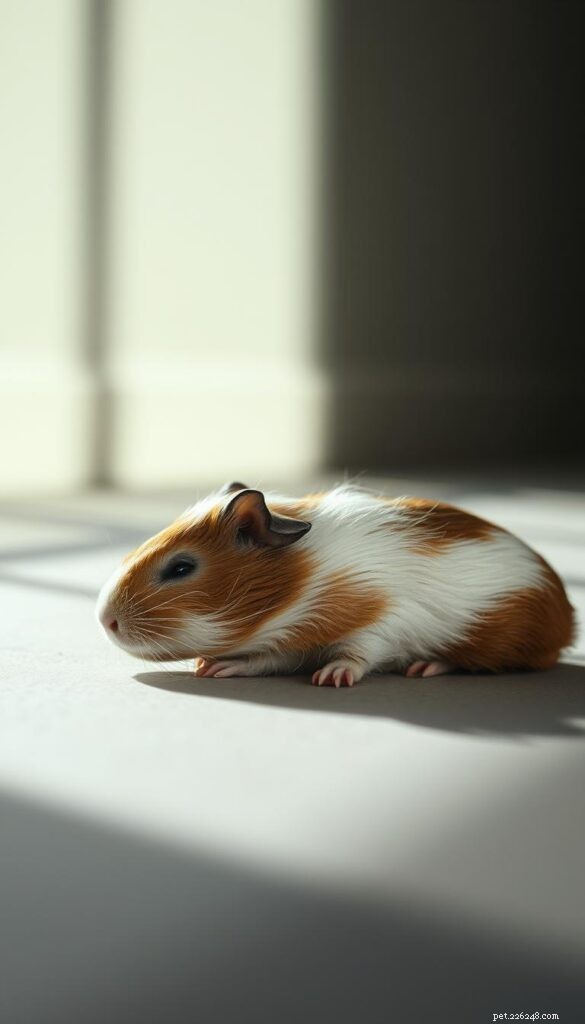
Owners often recount how their pet’s last day was marked by subtle, heartbreaking changes. Real stories from caretakers shed light on patterns that might otherwise go unnoticed, helping others recognize critical moments in their pet’s final hours.
Insights from Real‑Life Experiences
One owner shared: “The first time I saw the pig he looked… sleepy. His eyes weren’t fully alert like usual. His heartbeat felt fast, and he kept shaking. Not once did he make a sound—even at the end.”
These experiences reveal three key patterns:
- Silent suffering: Many pets stop vocalizing despite obvious discomfort.
- Physical clues: Trembling or rapid breathing often precede decline.
- Masked symptoms: Bright eyes turning dull might be the only visible change.
By the time clear signs appear, a health crisis may already be advanced. A day of mild fatigue can quickly turn into loss. This abrupt shift leaves many wondering if earlier intervention could have helped.
Connecting with others who’ve faced similar losses brings both comfort and practical wisdom. Their stories remind us that even vigilant owners can miss subtle warnings, given these animals’ survival instincts. Let their experiences guide your future care while honoring the bond you shared.
Factors That Contribute to Guinea Pig Mortality
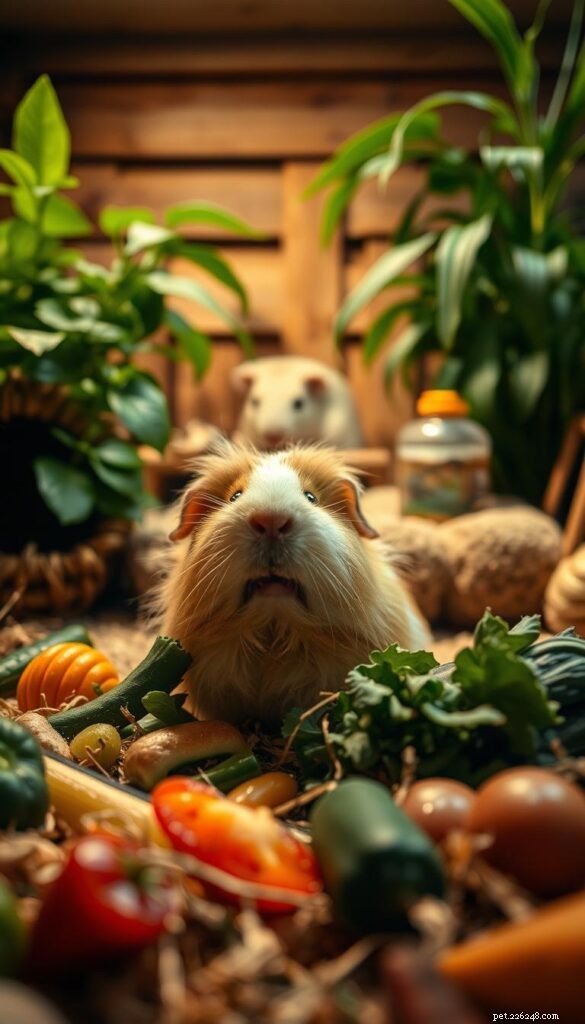
Daily care choices directly influence your pet’s longevity. Even minor oversights in nutrition or habitat maintenance can create compounding risks over time. Let’s examine critical areas where proactive adjustments make life safer for these sensitive animals.
Diet, Water, and Nutritional Impact
Consistent access to quality food matters more than many realize. One owner noted: “We rotated hay brands and pellets, thinking variety was good. Later, we learned sudden changes disrupt digestion.” Their experience highlights three risks:
- Vitamin C gaps from uneven vegetable intake.
- Digestive stress from frequent food switches.
- Bacterial growth in water bottles cleaned irregularly.
Fresh water prevents dehydration and supports organ function. Contaminated bottles can cause silent infections. Weigh your pet weekly—stable weight signals balanced nutrition.
Environmental and Cage‑Related Concerns
Habitat design impacts physical and mental health. Poor ventilation or cramped spaces weaken immunity over time. Consider these common issues and solutions:
| Risk Factor | Health Impact | Prevention |
|---|---|---|
| Dusty bedding | Respiratory infections | Use paper‑based or fleece liners |
| Overcrowding | Stress‑induced illnesses | Provide 7.5 sq ft per pig |
| Temperature swings | Hypothermia/heatstroke | Maintain 65–75°F with humidity control |
Regularly assess your cage layout for sharp edges or unsafe gaps. Pair proper nutrition with a stress‑free environment to help your companions thrive.
Why Did My Guinea Pig Die?
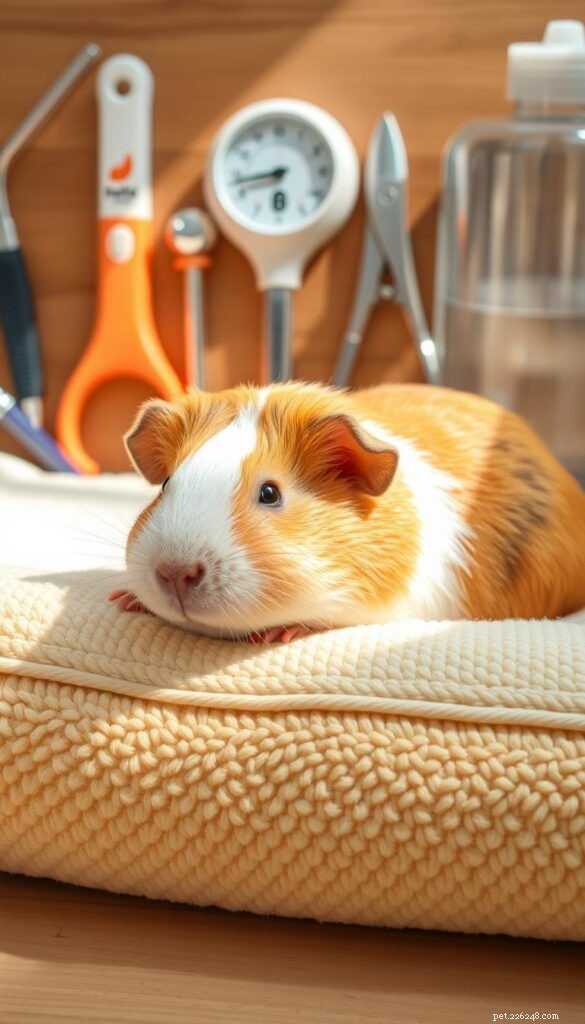
Unraveling the reasons behind a pet’s passing often reveals layers of interconnected factors. Small animals rarely succumb to one isolated cause— their delicate systems respond to cumulative stresses like puzzle pieces locking into place. Even minor imbalances in diet or habitat can tip the scales when combined with age or genetic vulnerabilities.
Older companions face higher risks from conditions younger ones shrug off. A slight draft or skipped veggie might trigger a chain reaction in senior pets. Hidden genetic conditions often stay dormant until stress or illness exposes them, leaving owners blindsided by sudden declines.
Environmental factors play a bigger role than many realize. Constant noise, irregular cleaning schedules, or unstable temperatures wear down resilience over time. One caretaker noted: “We kept their cage near a sunny window—never guessed the afternoon heat was quietly stressing them.”
Sometimes, answers remain elusive despite thorough reviews. These animals mask pain so effectively that organ failure might occur before symptoms surface. While seeking closure is natural, remember that exceptional care doesn’t always prevent health crises in fragile species.
Let this understanding guide future care without overshadining cherished memories. Each lesson learned honors your friend’s legacy while protecting others in your care.
Recognizing Early Signs of Illness in Guinea Pigs
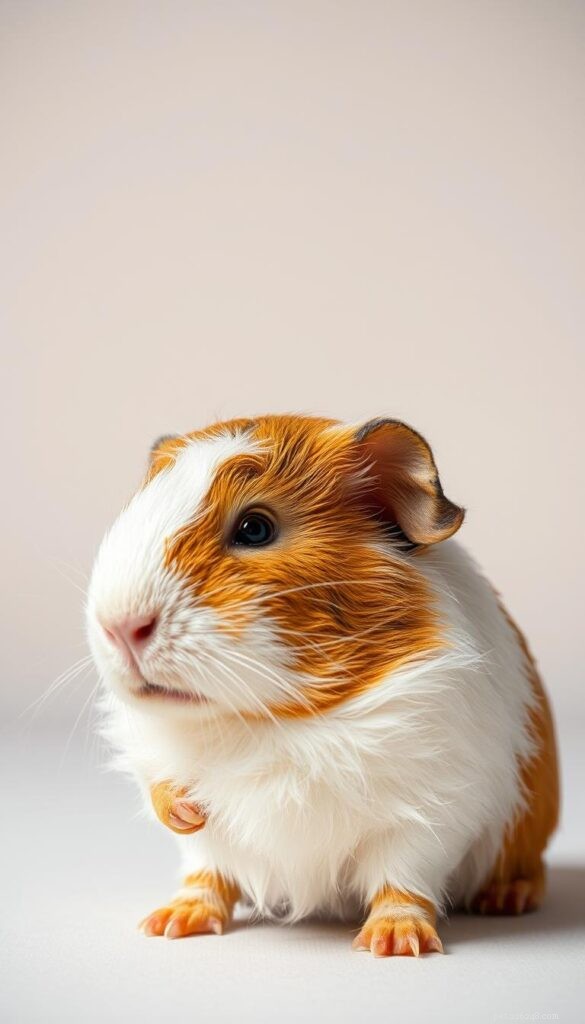
Your pet’s subtle shifts in behavior may be whispering important health clues. These sensitive animals often mask discomfort until conditions become severe, making daily observation your greatest tool for early intervention.
Behavioral Changes to Watch For
Notice if your companion stops popcorn jumps or hesitates during treat time. Key red flags include:
- Ignoring favorite veggies or leaving pellets uneaten.
- Hiding more than usual, especially during active hours.
- Uncharacteristic aggression when handled.
One owner shared: “He stopped wheeking for breakfast—that’s when I knew something was wrong.” Track deviations from normal routines using a simple journal or app.
Subtle Physical Symptoms
Weekly weigh‑ins help catch gradual weight loss invisible to the eye. Run your fingers through their coat—rough patches or excessive shedding often precede visible fur changes. Watch for:
- Crusty eyes that lack their usual sparkle.
- Quieter than normal breathing patterns.
- Stiff movements when exploring their space.
These gentle creatures might show stress responses through physical cues before vocalizing distress. Pair regular health checks with gentle bonding time to spot changes early.
Sudden stillness or lethargy warrants immediate vet attention. While not every odd behavior signals crisis, consistent patterns help build your detection skills over time.
Environmental and Nutritional Considerations
Creating a thriving environment starts with mastering daily care essentials. Small adjustments in feeding routines and habitat design build resilience against preventable health challenges. Let’s explore how thoughtful choices in these areas foster vitality for your companions.
Quality of Food and Fresh Water
Consistency matters when planning meals. Stick to trusted pellet brands and introduce new veggies gradually to avoid digestive upsets. One caretaker noted: “Switching hay types too fast caused bloating—now we mix old and new batches for a week.”
Refresh water bottles daily using vinegar solutions to prevent slime buildup. Check nozzles for smooth flow during morning checks. Dehydration risks spike if bottles malfunction unnoticed.
Choosing the Right Bedding and Cage Setup
Dust‑free bedding preserves respiratory health. Paper‑based options reduce sneezing fits compared to wood shavings. Spot‑clean soiled areas every other day to maintain freshness between weekly deep cleans.
| Habitat Factor | Ideal Standard | Common Mistake |
|---|---|---|
| Space per pig | 7.5 sq ft minimum | Using cramped store‑bought cages |
| Temperature range | 65–75°F | Placing enclosures near vents/windows |
| Hideouts | 1 per animal + extras | Single shared shelter causing stress |
Position enclosures in quiet zones away from foot traffic. Gentle background music or white noise helps sensitive pets feel secure during active household hours.
The Importance of Regular Veterinary Checkups
Proactive care shapes your companion’s quality of life. Scheduling routine vet visits helps catch hidden issues before they become serious. These checkups aren’t just about vaccines—they’re chances to discuss diet tweaks or habitat improvements that boost resilience.
Preventative Measures and Early Interventions
Vets spot subtle changes like uneven tooth wear or slight weight fluctuations during exams. One owner shared: “Our vet noticed my pet’s breathing was shallower than last visit—turned out to be early‑stage respiratory issues we could treat quickly.” Early action often prevents minor concerns from becoming crises.
Three key benefits of consistent vet partnerships:
- Tailored vitamin C plans for immune support during recovery.
- Parasite prevention strategies matching your animals’ lifestyle.
- Dental assessments to avoid painful eating difficulties.
Exotic specialists understand how guinea pigs process medications differently than cats or dogs. They’ll guide you through stress‑reducing handling techniques if your pig needs treatment. Building this relationship early means faster help during emergencies.
Remember: annual exams cost less than urgent care for advanced illnesses. Pair these visits with weekly home checks to create a safety net for your furry friend’s health.
Understanding Guinea Pig Aging and Its Impact on Health
As your furry friend grows older, their needs evolve in ways that require extra attention. While many companions live 5–7 years, some reach 8 years with proper care. Age‑related changes often appear gradually, making regular observation key to maintaining their quality of life.
Age‑Related Conditions and Concerns
Arthritis frequently affects pigs over 4 years old, limiting mobility during playtime. Dental wear becomes more common, requiring softer foods or chopped veggies. Smaller breeds like Skinny Pigs may show aging signs earlier due to genetic factors.
Older companions often need warmer environments and padded resting areas. Watch for weight fluctuations—sudden loss in 6+ year‑old animals might signal organ issues. Gentle handling becomes crucial as bones grow fragile with age.
While aging is natural, proactive adjustments help your friend enjoy their golden years. Pair vet consultations with diet tweaks to address changing needs. Remember, every extra month together celebrates the care you’ve provided through every life stage.
FAQ
What health issues commonly affect guinea pigs?
Respiratory infections, dental problems, and scurvy (vitamin C deficiency) are frequent. Parasites like mites or fungal infections can also occur. Always monitor for symptoms like labored breathing, crusty eyes, or weight loss.
How does diet impact a guinea pig’s lifespan?
Poor nutrition weakens their immune system. Fresh hay, vitamin C‑rich veggies (like bell peppers), and quality pellets are essential. Avoid sugary treats or moldy food, which can cause digestive issues or toxicity.
What environmental factors harm guinea pigs?
Dirty cages, improper bedding (cedar/pine shavings release harmful oils), or extreme temperatures stress them. Ensure clean, spacious habitats with fleece or paper‑based bedding and consistent airflow.
Are regular vet visits necessary for guinea pigs?
Yes! Annual checkups catch hidden problems. Exotic‑savvy vets spot dental misalignment, heart issues, or tumors early. Immediate visits are crucial if they stop eating or show lethargy.
What subtle signs indicate illness?
Hiding more, reduced appetite, or quiet wheeking are red flags. Check for dull fur, watery eyes, or irregular poop. Weight loss over days often signals underlying trouble.
How does aging affect their health?
Older pets (4+ years) face arthritis, kidney decline, or heart disease. Soften their diet with mashed veggies, provide low‑entry hideouts, and watch for mobility changes.
Can stress cause sudden death?
Extreme stress from loud noises, predator exposure, or abrupt routine shifts can trigger heart failure. Keep their environment calm and introduce changes gradually.
What bedding is safest for cages?
Paper‑based bedding (Carefresh) or fleece liners work best. Avoid dusty options like wood shavings, which irritate airways. Spot‑clean daily and replace bedding weekly.
How do I know if water intake is adequate?
Check bottles for flow issues. Refill daily with filtered water. Dehydration signs include sunken eyes or dry stool. Offer watery veggies like cucumber if intake drops.
Can loneliness impact their health?
Absolutely. These social animals thrive with companions. Isolation weakens immunity and causes depression. Pair them with a same‑sex friend for mental stimulation.
- Red Poodle Dogs: Rare Breed Insights & Care Guide
- Understanding Dog Squamous Cell Carcinoma: Early Detection & Care Guide for Owners
- All-Natural Homemade Dog Food for Allergies & Sensitive Stomachs
- Why Does My Cat Twitch While Sleeping? Understanding Dreaming and Health
- CattyCorner: 7 Essential Questions Every Cat Owner Should Ask
- Professional Guide: Groom Your Dog Safely at Home
- 7 Remarkable Stories of Award-Winning Service Dogs & Animals