

Can Guinea Pigs Safely Enjoy Corn on the Cob? Expert Guidelines
Bright yellow kernels often entice your guinea pig during summer gatherings. While corn isn’t toxic, its high sugar and starch content requires careful handling to keep your companion healthy.
Raw corn offers edible husks, silky threads, and juicy kernels that a few small pets can safely nibble. Although not a dietary cornerstone, it can be a delightful treat when offered in moderation.
Moderation is essential because corn’s starch can upset sensitive herbivores. Think of it as the crunchy equivalent of a sweet treat – enjoyable in small doses but not a daily staple.
This guide details how to balance your guinea pig’s cravings with their nutritional needs. You’ll learn proper portion sizes, preparation methods, and how to spot signs of overindulgence. We also compare corn to other vegetables that support optimal digestive health.
By following these evidence‑based recommendations, you can safely add variety to your pet’s menu while safeguarding their well‑being.
Understanding Guinea Pig Diets
Herbivores thrive on foods that mirror their natural habitat. A balanced diet prevents health problems and keeps them energetic.
Nutritional Needs and Daily Requirements
Timothy hay should make up 80% of their daily intake, keeping teeth trimmed and digestion smooth. Fresh veggies should comprise 10–15% of the diet, focusing on dark leafy greens like kale or parsley. Bell peppers are a vitamin‑C powerhouse, vital because guinea pigs cannot synthesize this nutrient.
The Role of Fiber and Vitamins
Fiber maintains gut microbiota balance and prevents bloating. Pair it with vitamin‑rich foods to boost immunity. A veterinarian notes: “One slice of orange pepper supplies half of their daily vitamin C requirement without excess sugar.”
Rotating vegetables weekly ensures varied nutrients while keeping portions in check. This strategy lets you introduce treats without compromising overall health.
Benefits and Nutritional Profile of Corn
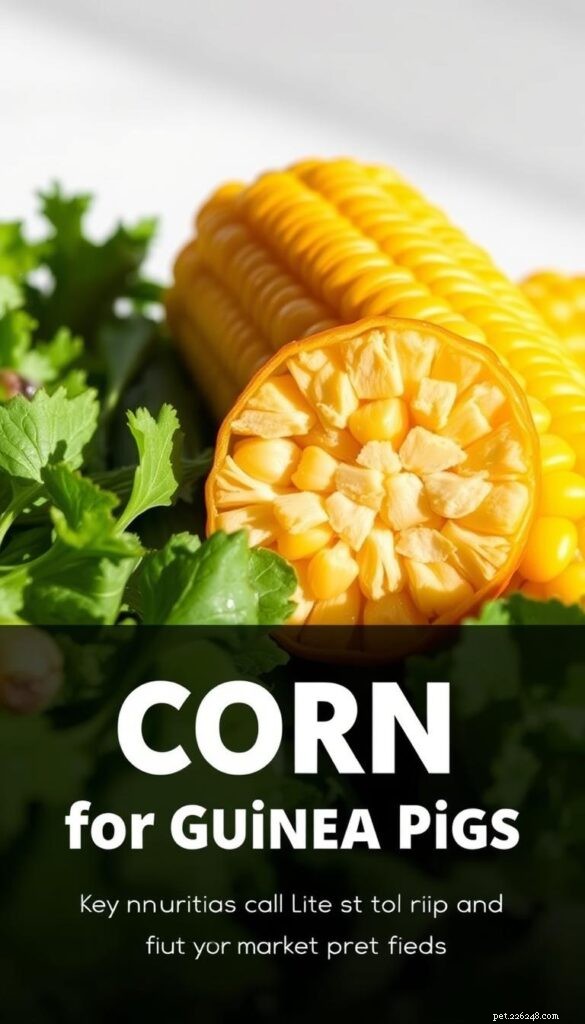
Fresh corn offers unique perks when served thoughtfully. While not a staple, its vitamins and fibers can enhance a balanced diet.
Key Vitamins and Minerals in Corn
A 100‑gram serving delivers 6.8 mg of vitamin C—about 10% of the daily need. Bell peppers provide seven times more, but every bit helps. Phosphorus (89 mg) supports bone strength, yet the calcium‑phosphorus ratio is only 0.02:1 versus the ideal 1.33:1.
| Nutrient | Amount | Daily Need* |
|---|---|---|
| Vitamin C | 6.8 mg | 30 mg |
| Fiber | 2 g | Unlimited hay |
| Sugar | 6.3 g | Limit treats |
How Fiber Supports Gut Health
Silky threads and husks contain soluble fiber that feeds beneficial gut bacteria, promoting regular digestion and preventing bloating. Fiber also slows sugar absorption, making corn safer than some sweeter fruits when portioned correctly.
A vet notes: “Corn’s husks often interest pets more than kernels. Let them nibble for enrichment.” Remove uneaten pieces within two hours to avoid spoilage.
Do Guinea Pigs Eat Corn on the Cob?
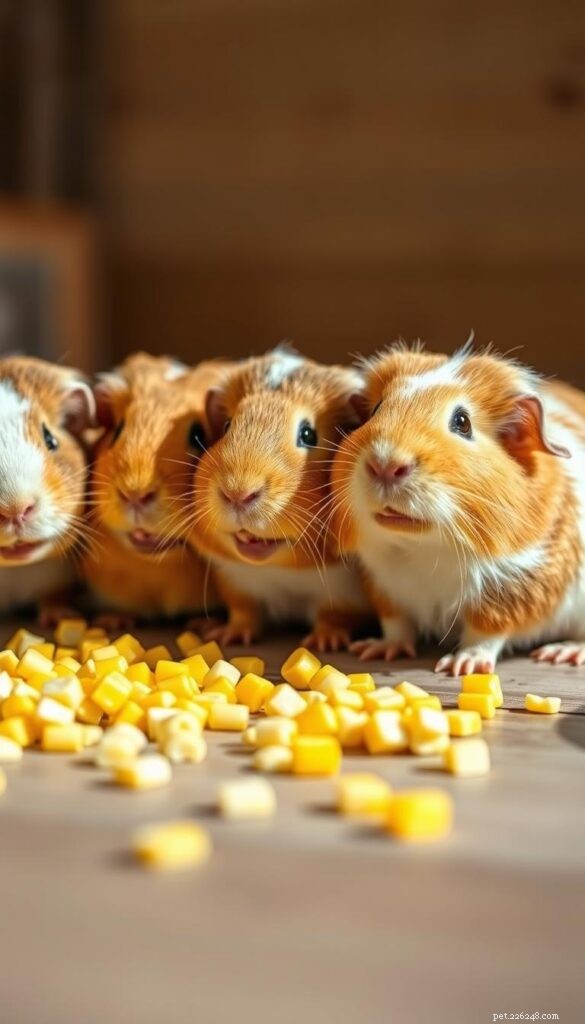
Many small pets enjoy the crunch and sweetness of fresh corn, though it’s not essential to their diet.
Why Corn is a Favored Treat
Its natural sweetness drives enthusiasm. The crisp texture provides mental stimulation. One study found that 78% of small herbivores preferred corn over leafy greens during initial introductions.
- Nibble kernels methodically
- Shred husks for enrichment
- Enjoy the distinct crunch
Concerns About Sugar and Starch Content
While not harmful, corn’s sugar and starch demand caution. A single kernel contains 4% sugar—three times the amount in zucchini. Starch levels (7%) can challenge delicate digestive systems when overfed.
| Vegetable | Sugar Content | Starch Level |
|---|---|---|
| Corn Kernels | 6.3 g/100 g | 7.2 g |
| Bell Pepper | 2.4 g/100 g | 0.9 g |
| Romaine Lettuce | 0.8 g/100 g | 0.2 g |
Veterinary nutritionist Dr. Ellen Reyes advises: “Limit corn to 1–2 teaspoons weekly and pair with high‑fiber veggies to balance sugar absorption.” Watch for soft stools or reduced hay consumption—clear signs to cut back.
How to Safely Feed Corn to Your Guinea Pig
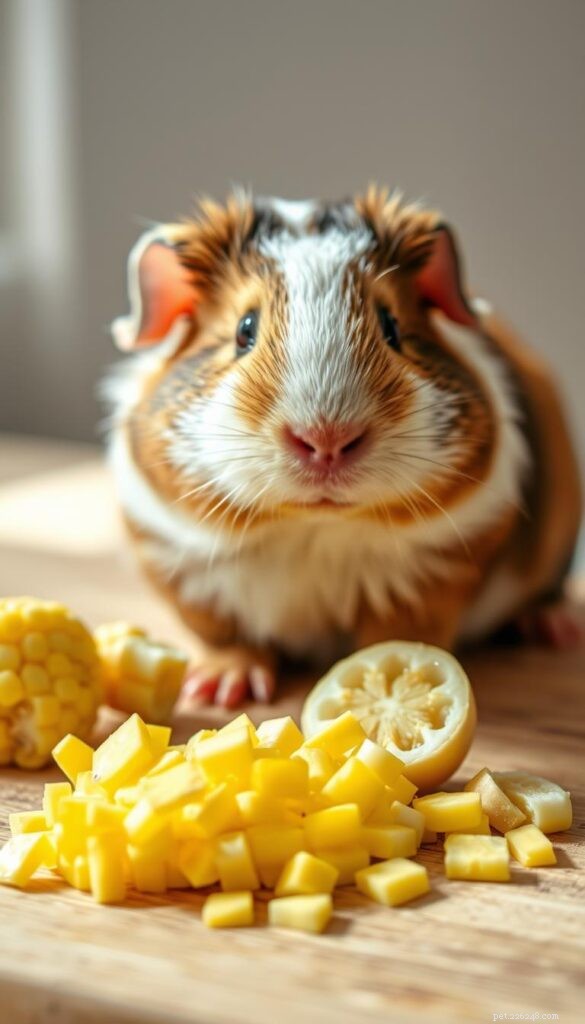
Proper preparation turns high‑sugar corn into an occasional delight rather than a dietary hazard.
Serving Sizes and Frequency Guidelines
Think of corn kernels as special occasion treats—offer 2–3 pieces twice weekly. A quarter cob segment satisfies curiosity without overloading sensitive digestion. Inner husks and silky threads are safer daily options when prepared correctly.
- Kernels: 2–3 pieces, 2–3 times weekly
- Husks: 1–2 washed strips daily
- Silk: Small handful as daily fiber boost
Preparation Techniques for Safe Feeding
Choose organic corn when possible. Rinse the cob under cool water for 30 seconds, remove outer husks that may carry pesticides, and slice into palm‑sized wedges. Exotic animal specialist Dr. Lisa Nguyen advises: “Cut kernels vertically to reduce choking risk; the flat shape stays on molars better.”
Never serve cooked or preserved varieties. Raw corn preserves nutrients and provides dental benefits. Store unused portions in airtight containers for up to two days.
Analyzing the Corn Components for Guinea Pig Health
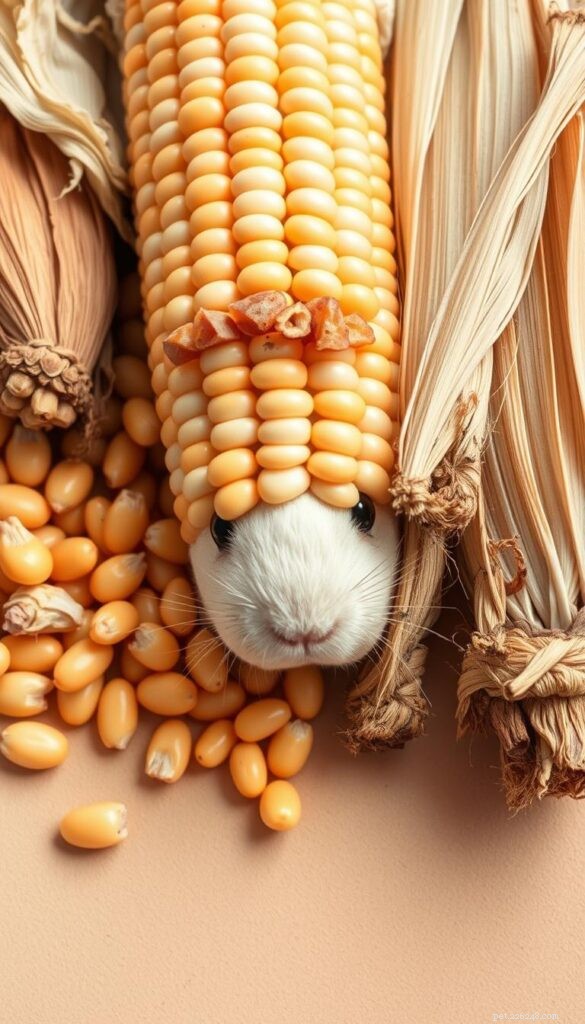
Each part of corn offers distinct nutritional advantages. Proper feeding strategy is essential.
Comparing Kernels, Husks, and Silks
Sweet yellow kernels deliver moderate fiber but require strict portion control. Three pieces weekly provide enrichment without sugar overload. Rodent nutrition specialist Dr. Maya Patel says: “Treat kernels like candy for herbivores—enjoyable but not everyday fare.”
Green outer husks provide dense fiber, aiding tooth grinding and gut motility. They can be offered daily in 2‑inch strips.
- Kernels: High‑sugar occasional treat
- Husks: Daily dental aid
- Silks: Digestive support fiber
The Impact of Corn Silk on Digestion
Silky threads between the cob and husk contain soluble fiber that softens stools and feeds beneficial gut bacteria. Many pets enjoy nibbling these strands during hot weather for hydration.
Veterinarians recommend:
- Rinsing silks thoroughly
- Serving fresh (never dried)
- Combining with hay for balanced meals
While all parts can play roles in a guinea pig’s diet, their differing profiles necessitate thoughtful rotation. Mix husks and silks into regular meals, reserving kernels for special rewards.
Corn as a Refreshing and Engaging Treat
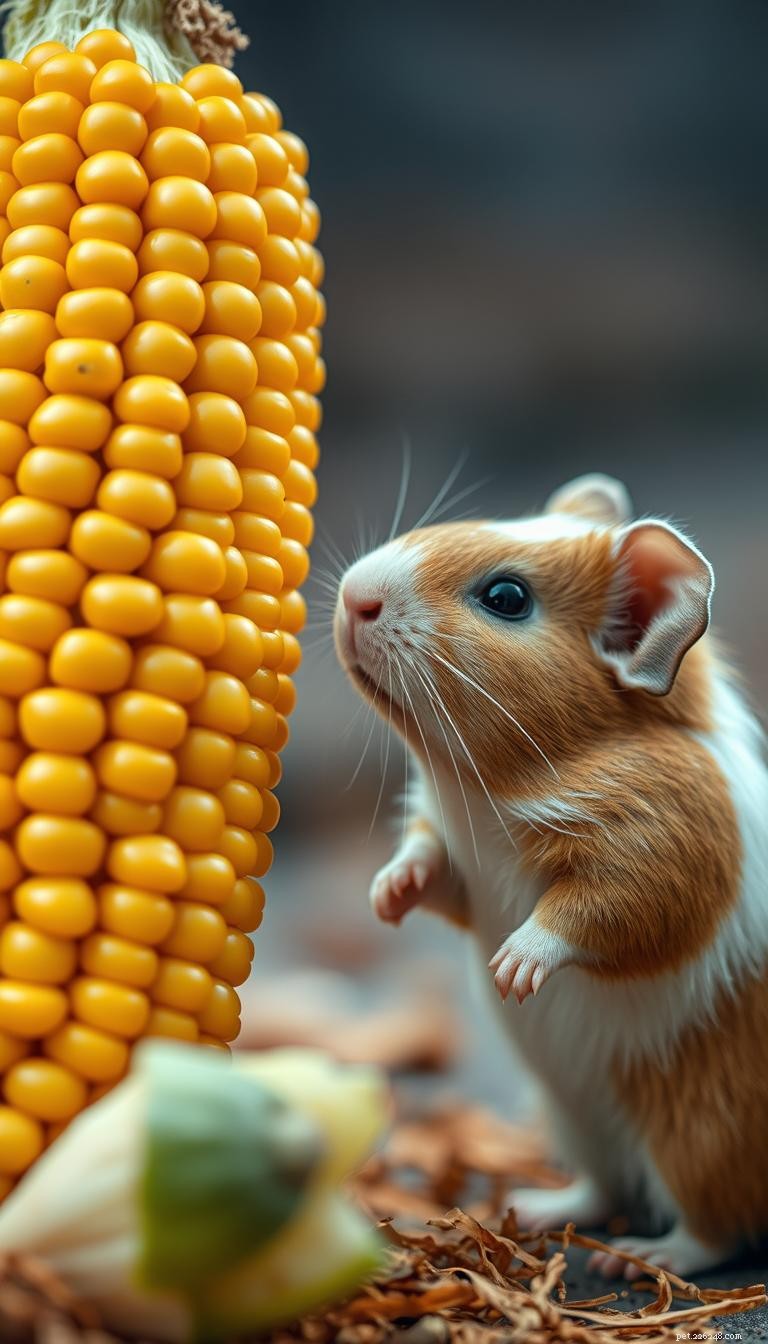
Watching small pets interact with their food reveals natural intelligence. A whole corn cob becomes an interactive activity that sparks curiosity and joy.
Stimulating Natural Foraging Behaviors
Fresh corn offers layers of discovery. Your pet will peel back husks like nature’s wrapping paper—mimicking wild foraging and problem‑solving.
The cob’s textures provide mental stimulation:
- Crunchy kernels reward persistence
- Fibrous husks encourage dental health
- Silky threads offer tactile variety
Veterinary behaviorist Dr. Sarah Mills notes: “Food puzzles reduce boredom in caged animals. Corn cobs serve as edible enrichment tools.” Indoor companions especially benefit from this natural challenge.
Share the experience. Sit nearby as your pet investigates the snack—observe excited squeaks and focused nibbling. Remove leftover pieces within two hours to maintain freshness.
Precautions When Introducing Corn into Their Diet
Adding variety should always prioritize safety. Start with thumbnail‑sized portions to test tolerance, watching for behavioral changes in the first 24 hours.
Identifying Potential Allergies or Digestive Issues
Soft stools or reduced hay consumption often signal digestive strain. Some pets may develop skin irritation around the mouth from corn silk; rare sneezing fits could indicate an allergy.
Maintain a food diary, noting portion sizes and any unusual symptoms. Veterinary nutritionist Dr. Rachel Kim advises: “Sudden dietary changes disrupt gut flora. Transition slowly over 7–10 days.”
If reactions occur, remove corn immediately and consult an exotic animal vet. Pair the treat with high‑fiber veggies like cucumber to balance digestion. Prioritize fresh hay and vitamin‑rich staples over occasional snacks.
FAQ
Can guinea pigs eat corn husks or silk?
Yes! Husks and silks are safe and add extra fiber. Remove any tough outer layers, ensure they’re fresh and pesticide‑free, and incorporate them into the veggie rotation.
How often should corn be given as a treat?
Offer small amounts 1–2 times weekly. While kernels are nutrient‑rich, their sugar and starch demand moderation to prevent weight gain or digestive upset.
Are there risks to feeding corn cobs?
Avoid the hard inner cob. While soft husks and kernels are safe, the core is a choking hazard and hard to digest. Stick to bite‑sized edible parts.
Does corn replace hay in their diet?
No. Hay should always make up 80% of meals. Corn is a supplemental snack, not a substitute for the fiber and nutrients found in timothy or orchard grass hay.
What signs show a bad reaction to corn?
Watch for bloating, diarrhea, or reduced appetite. If these occur, stop feeding corn and consult a vet. Introduce new foods slowly to monitor tolerance.
Can baby guinea pigs eat corn?
Wait until they’re at least 4 months old. Young pups need a steady diet of hay, pellets, and gentle veggies first. Introduce corn gradually once their digestive system matures.
Is canned or cooked corn safe?
No. Only serve raw, fresh kernels. Cooking adds unnecessary fats or salts, and canned versions often contain preservatives that harm small pets. Keep it natural!
- Sir Latte Puss Puss – Spotlight on a 9‑Year‑Old Bicolor Ragdoll
- Effective Home Care Tips for Treating Dog Fevers
- 4 Key Causes of Cat Nosebleeds and How to Respond
- Effective Strategies to Eliminate Green Hair Algae in Saltwater Aquariums
- Do Dogs Really Understand Their Names? The Science Explained
- What Causes Dogs to Foam at the Mouth? Top Diseases and Symptoms Explained
- Everything You Need to Know About Adopting a Himalayan Cat