

Can Guinea Pigs Eat Lentil Sprouts? A Vet‑Approved Guide
When you’re looking to diversify your guinea pig’s diet, you need to balance curiosity with caution. This guide explains the benefits and precautions of adding lentil sprouts—a nutrient‑dense, sprouted legume—to your pet’s meals, using evidence from veterinary nutrition experts.
Why Diet Matters for Your Guinea Pig
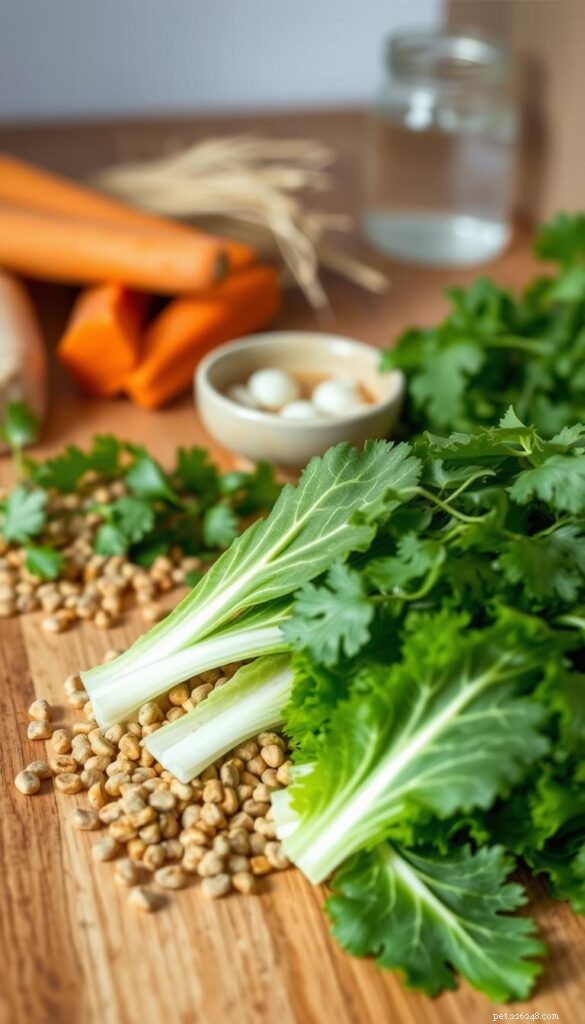
Nutrition is the cornerstone of a healthy, energetic guinea pig. Hay and fresh grass should compose 80% of their daily intake, ensuring optimal digestion and dental wear. Vegetables add variety and essential vitamins, but must be balanced to avoid soft stools. Vitamin C is critical because guinea pigs cannot synthesize it; a deficiency leads to scurvy and immune compromise.
According to Dr. Emily Carter, veterinary nutritionist, “A consistent supply of vitamin C‑rich foods is non‑negotiable for guinea pig health.”
| Component | Purpose | Daily Amount |
|---|---|---|
| Timothy Hay | Digestion & Dental Care | Unlimited |
| Fresh Veggies | Vitamins & Hydration | 1 cup |
| Pellets | Supplemental Nutrients | 1/8 cup |
Neglecting these guidelines can result in obesity or malnutrition. Stick to routines, introduce new foods slowly, and prioritize fiber‑rich options for lasting vitality.
Vitamin C: The Essential Nutrient
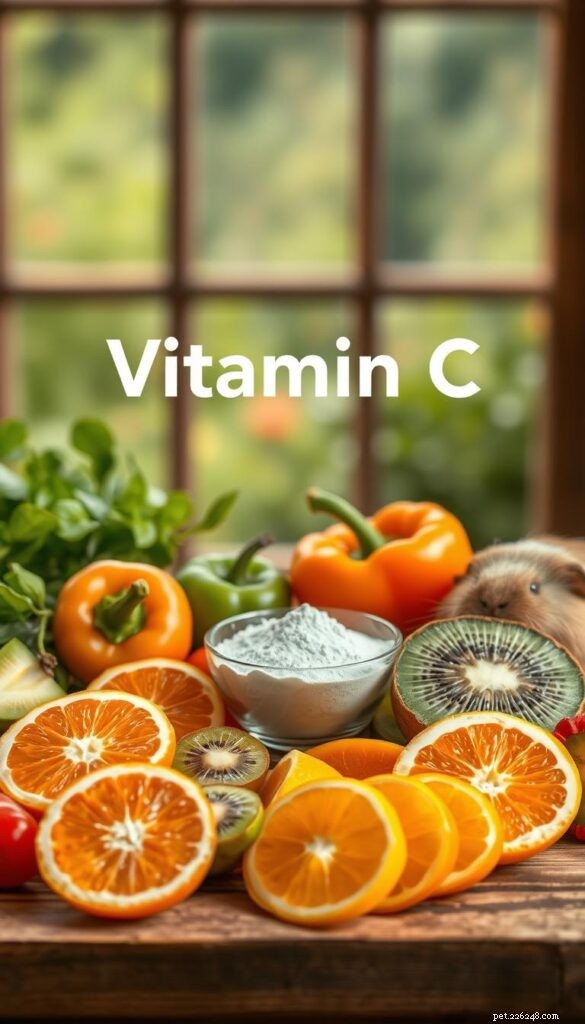
Unlike most mammals, guinea pigs rely entirely on diet for vitamin C. High‑quality pellets fortified with stabilized vitamin C should be part of their routine. Pair these with bell peppers, kale, or a small portion of strawberries for natural antioxidants and sugar control.
- Adults: 30–50 mg daily
- Pregnant or nursing: up to 100 mg daily
| Life Stage | Daily Vitamin C Needs | Best Sources |
|---|---|---|
| Adult | 30–50 mg | Bell peppers, parsley |
| Pregnant/Nursing | 70–100 mg | Broccoli, fortified pellets |
| Senior | 40–60 mg | Kale, oranges (sparingly) |
Dr. Lisa Nguyen, small‑animal specialist, advises: “Consistency beats quantity. Spread vitamin‑rich foods across meals for steady absorption.”
What Makes Lentil Sprouts Nutritious
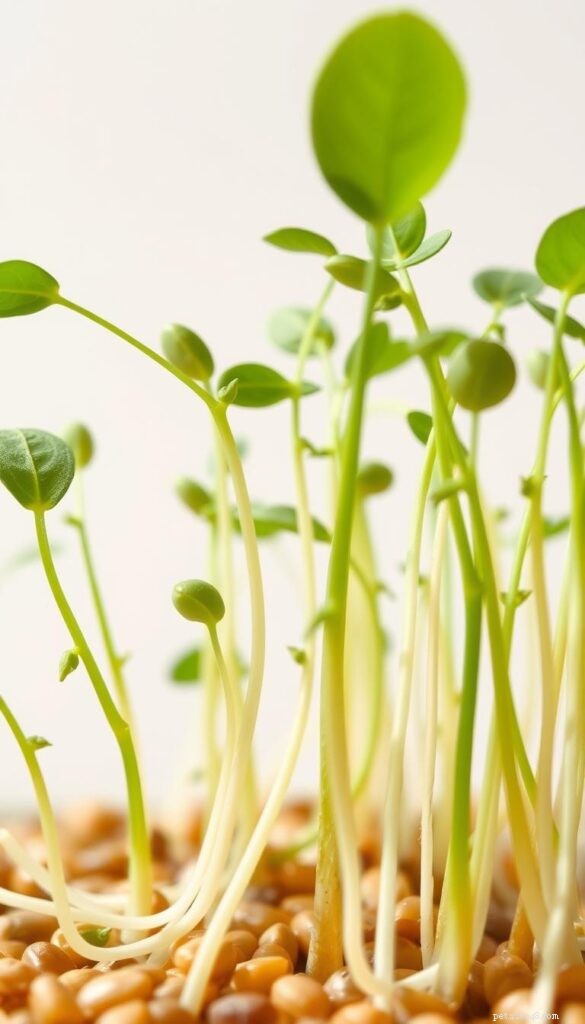
Lentil sprouts offer a concentrated burst of nutrients. Sprouting increases the bioavailability of iron and folate while reducing antinutrients. Compared to mature lentils, sprouts provide:
| Nutrient | Sprouted | Mature (Dry) |
|---|---|---|
| Vitamin C | 22 mg/100 g | Trace |
| Fiber | 8 g | 11 g |
| Antinutrients | Reduced by 40 % | Higher levels |
These changes make sprouts gentler on delicate stomachs and align perfectly with a guinea pig’s vitamin C requirement.
Potential Health Benefits
- Immune defense: Antioxidants counter free radicals
- Gut harmony: Soluble fiber nourishes beneficial bacteria
- Energy metabolism: B vitamins aid conversion of food to energy
Dr. Rachel Torres, exotic animal veterinarian, notes: “Sprouts provide a living food source—enzymes and nutrients are at their peak activity.”
Always pair sprouts with hay and rotate with other vegetables to keep meals exciting and nutritionally diverse.
Can Guinea Pigs Safely Consume Lentil Sprouts?
When introducing lentil sprouts, moderation is key. Their phosphorus and oxalate content requires careful portion control. Treat sprouts as an accent, not a main course.
Dietary Guidelines
- Start with a thumb‑sized portion once a week.
- Mix with low‑oxalate greens like cilantro.
- Always provide unlimited hay to aid digestion.
Monitor for subtle changes—bloating or reduced appetite may indicate sensitivity. Remove sprouts immediately if symptoms appear.
Feeding Frequency by Weight
| Weight Range | Portion Size | Maximum Weekly Servings |
|---|---|---|
| Under 900 g | 1 tsp | 2 |
| 900 g+ | 2 tsp | 3 |
Dr. Sarah Miller, exotic animal vet, advises: “Rotate sprouts with other vitamin C sources to prevent oxalate buildup.”
Provide fresh water after serving and consider pairing sprouts with bell peppers or oranges to enhance nutrient absorption.
How Sprouts Compare to Other Vegetables
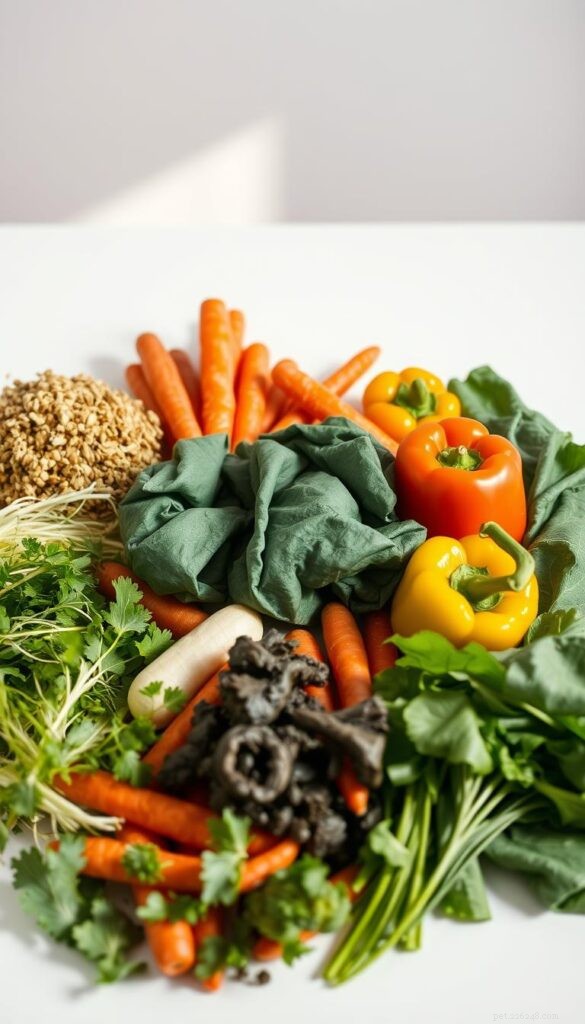
Balancing vegetables in a guinea pig’s diet requires understanding each option’s strengths. Sprouts are higher in protein and B vitamins compared to leafy greens like spinach. They are also easier to digest than raw root vegetables such as carrots or beetroot.
| Vegetable | Key Nutrients | Feeding Frequency |
|---|---|---|
| Lentil Sprouts | Protein, B vitamins | 2–3 × weekly |
| Cucumber | Hydration, vitamin K | Daily |
| Bell Pepper | Vitamin C, antioxidants | 4–5 × weekly |
| Spinach | Iron, folate | 1–2 × weekly |
Because sprouts contain oxalates, they should be rotated with low‑oxalate options like green beans or squash to maintain variety and reduce risk of crystal formation.
Dr. Karen Lee, exotic pet nutritionist, says: “Treat sprouts as a nutritional booster—not a staple. Balance them with low‑oxalate choices for optimal health.”
Integrating Lentil Sprouts into Daily Meals
Introduce new foods gradually to avoid digestive upset. A one‑teaspoon portion is a good starting point for most guinea pigs.
Feeding Strategy
- Offer sprouts during active periods (morning or early evening).
- Combine with familiar veggies like romaine lettuce or cucumber.
- Limit to 2–3 treats per week.
- Always keep fresh hay available.
For animals under 900 g, use half a teaspoon. Larger pets can handle a full teaspoon. Remove leftovers within two hours to keep their environment clean.
Dr. Amy Foster, small‑animal care expert, notes: “Gradual introduction prevents overwhelm. Think of sprouts as a flavor enhancer, not a staple.”
| Weight Range | Serving Size | Weekly Limit |
|---|---|---|
| Less than 900 g | ½ tsp | 2 servings |
| 900 g+ | 1 tsp | 3 servings |
Building a Balanced Plate: Hay, Grass, Pellets
A foundation of hay, fresh grass, and fortified pellets ensures fiber and essential nutrients for longevity.
Timothy hay should dominate—about 75–80% of intake—because it’s low in calcium and high in fiber, supporting digestion and dental health. Unlimited access encourages chewing and gut motility.
Fresh grass adds silica for dental benefits and foraging stimulation. Always select pesticide‑free varieties and rinse thoroughly.
| Hay Type | Best For | Key Benefit |
|---|---|---|
| Timothy | Adults | Low calcium, high fiber |
| Orchard | Sensitive stomachs | Soft texture |
| Alfalfa | Young or pregnant | Extra protein |
Choose pellets with stabilized vitamin C and at least 18% fiber; limit to ⅛ cup daily to avoid selective eating. Pair with hay for balanced nutrition.
Dr. Laura Simmons, exotic animal veterinarian, advises: “Think of pellets as insurance—they fill gaps but shouldn’t replace fresh forage.”
Safe Handling and Preparation of Lentil Sprouts
Proper hygiene reduces the risk of contamination. Fresh greens must be washed thoroughly.
Washing Techniques
Rinse sprouts under cool running water using a fine‑mesh strainer. Gently swirl to clean crevices without crushing. For store‑bought sprouts, double‑rinse with filtered water and pat dry.
Preventing Pesticide Exposure
Home‑grown sprouts allow full control: use organic seeds, soak in purified water, and change the soaking liquid twice daily. Inspect daily for discoloration or sliminess.
| Factor | Store‑Bought | Home‑Grown |
|---|---|---|
| Water Source | Unknown quality | Filtered preferred |
| Seed Treatment | Possible chemicals | Organic selected |
| Inspection Frequency | Before purchase only | Daily monitoring |
Dr. Hannah Wright, exotic pet care expert, advises: “Never skip visual checks—discard discolored or slimy sprouts immediately.”
Store cleaned greens in airtight containers for up to two days and pair with hay to balance moisture.
Recognizing Dietary Imbalance Signs
Early detection of nutritional issues prevents complications. Sudden changes in appetite or energy often signal imbalance.
| Symptom | Possible Cause | Action |
|---|---|---|
| Loose stools | Too many veggies | Reduce portions |
| Bloating | Rapid food changes | Pause new foods |
| Ignoring hay | Unbalanced diet | Boost fiber intake |
Firm, oval droppings indicate good health; mushy or irregular ones warrant a diet review.
Dr. Olivia Grant, small‑animal vet, recommends: “Track reactions like a food detective—note portion sizes and timing to spot patterns.”
| Date | Food Introduced | Portion | Reaction |
|---|---|---|---|
| 6/15 | Lentil sprouts | 1 tsp | Normal activity |
| 6/17 | Kale | ½ leaf | Soft stools |
Gradual changes allow sensitive systems to adapt. When in doubt, consult your vet for personalized guidance.
Managing Oxalate and Calcium in Sprouts
Oxalates can bind calcium, forming crystals that lead to urinary stones. While sprouted legumes are nutrient‑dense, their mineral content demands careful management.
Oxalate Awareness
Watch for:
- Straining during bathroom breaks
- Pink‑tinged bedding from blood‑tinged urine
- Unusual hunched posture indicating discomfort
Combine high‑oxalate items with low‑calcium choices to reduce risk. Common comparisons:
| High‑Oxalate Food | Low‑Oxalate Alternative | Serving Frequency |
|---|---|---|
| Spinach | Zucchini | 1 × vs 3 × weekly |
| Beet greens | Romaine lettuce | 2 × vs daily |
| Parsley | Cucumber | 3 × vs 5 × weekly |
Dr. Megan Shaw, exotic animal specialist, advises: “Track weekly oxalate totals like a nutrition budget. Small amounts from multiple sources add up quickly.”
Regular vet visits and biannual urinalysis help catch early imbalances. Fresh water access supports kidney health.
Sprouts vs. Brussels Sprouts and Other Veggies
Comparing nutrient density helps make informed choices.
| Vegetable | Vitamin C (mg/100 g) | Fiber (g) | Oxalates |
|---|---|---|---|
| Lentil Sprouts | 22 | 8 | Moderate |
| Brussels Sprouts | 85 | 3.8 | Low |
| Bell Pepper | 128 | 2.1 | Very low |
Pets prone to bladder issues benefit from zucchini or cucumber daily. Rotate sprouts with low‑oxalate options to prevent mineral buildup. Variety remains essential; no single vegetable covers all needs.
Consult your vet to tailor choices based on weight and health history. Smart swaps and portion control keep tails wagging and bodies thriving.
FAQ
Are lentil sprouts safe for my pet?
Yes, but only in small amounts. Introduce them slowly to avoid digestive issues and always wash thoroughly to remove pesticides or bacteria.
How often can I include sprouts in their meals?
Offer them once or twice a week as a treat. Overfeeding may lead to bloating or nutrient imbalances due to oxalate content.
What vitamins do these sprouts provide?
They’re rich in vitamin C, which supports immune health, and contain B vitamins for energy. However, they shouldn’t replace primary vitamin sources like bell peppers.
Can sprouts replace hay or pellets?
No. Fresh hay should make up 80% of their diet, with pellets and veggies like sprouts as supplements. Hay supports dental and digestive health.
Are there risks linked to calcium levels?
High calcium in sprouts could contribute to bladder stones if fed excessively. Pair them with low‑calcium veggies like cucumbers for balance.
How do I prepare sprouts safely?
Rinse under cold water, soak in a vinegar solution for 5 minutes, then pat dry. Avoid store‑bought sprouts with additives or preservatives.
What signs indicate a dietary problem?
Lethargy, diarrhea, or reduced appetite may signal imbalance. Stop feeding sprouts immediately and consult a vet if symptoms persist.
How do they compare to Brussels sprouts?
Lentil sprouts have fewer oxalates but less fiber. Brussels sprouts are higher in vitamin K—rotate both sparingly for variety.
Can young or elderly pets eat sprouts?
Senior pets with kidney issues should avoid them. For young ones, wait until they’re 4 months old and stick to simpler greens like romaine.
- Is a Cat's Coat Color a Reliable Indicator of Its Personality?
- Are Marshmallows Safe for Dogs? A Comprehensive Guide to Treats and Health
- Effective Training Strategies for Female Dogs That Squabble – Dr. Ian Dunbar
- 35 Top Dog Instagram Accounts You Must Follow
- Cat Heartworm Disease: Causes, Symptoms, and Effective Treatments
- Black & White Bandit Angelfish (Holacanthus arcuatus) – Care Guide & Species Profile
- Top Puzzle Games to Stimulate Your Cat’s Brain