

Are Brussels Sprouts Safe for Guinea Pigs? A Comprehensive Guide
If you’re looking to diversify your guinea pig’s diet, you may wonder whether Brussels sprouts are a suitable treat. This guide explains the nutritional value, safe serving methods, potential risks, and how to monitor your pet’s health.
Exploring the Nutritional Benefits of Brussels Sprouts
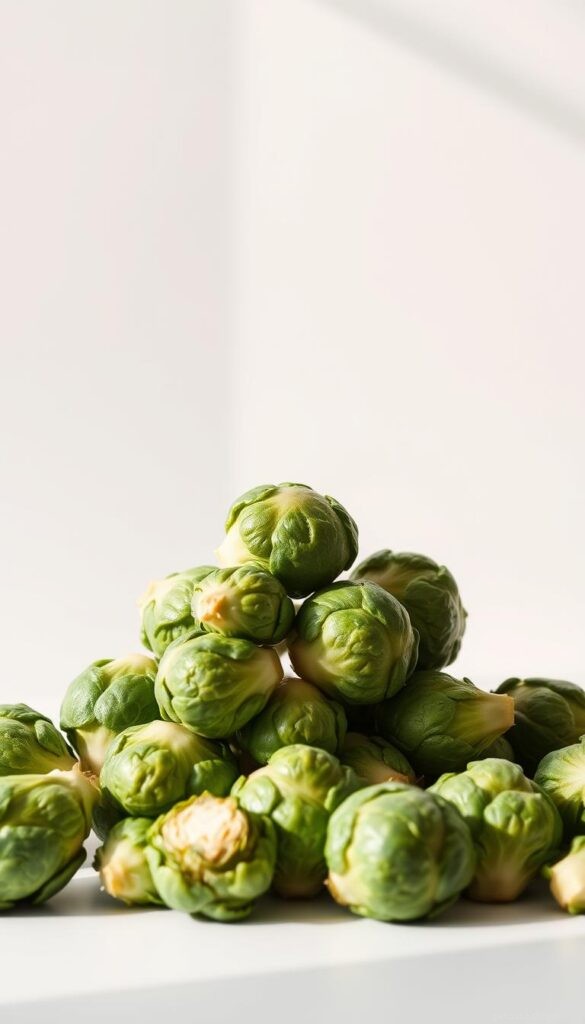
Brussels sprouts are a powerhouse of vitamins and minerals that can complement a guinea pig’s hay‑based diet. They contain a range of nutrients that support vision, immunity, and bone health.
Key Vitamins and Nutrients
A single serving provides 754 IU of vitamin A, essential for sharp vision and a robust immune system. The 85 mg of vitamin C per 100 g promotes tissue repair, while 177 µg of vitamin K supports healthy blood clotting and bone density. Together, these vitamins act as a holistic wellness toolkit.
Antioxidants and Dietary Fiber
Brussels sprouts contain potent antioxidants that neutralize free radicals, and their high fiber content—about 3.8 g per 100 g—helps maintain smooth digestion without adding excessive carbohydrates. This makes them ideal for supporting gut health when served in moderation.
Can Guinea Pigs Eat Brussels Sprouts? – Safe Serving Practices

When introducing new treats, balance excitement with safety. Below are best‑practice guidelines for portioning and preparation.
Portion Control Matters
Serve three to four fresh leaves—roughly the size of a quarter—per pig. Limit this treat to a maximum of twice a week to avoid digestive upset. For whole sprouts, offer a single small piece shared among multiple animals.
Cleaning and Prep Essentials
Rinse leaves under cool running water for 30 seconds, then pat dry with paper towels. Trim any tough stems and cut the sprout into bite‑sized pieces. Store any unused portion in an airtight container for up to three days, discarding wilted or discolored leaves immediately.
These vegetables should never replace hay or pellets; use them as occasional supplements to maintain a balanced diet.
Understanding the Potential Risks of Brussels Sprouts
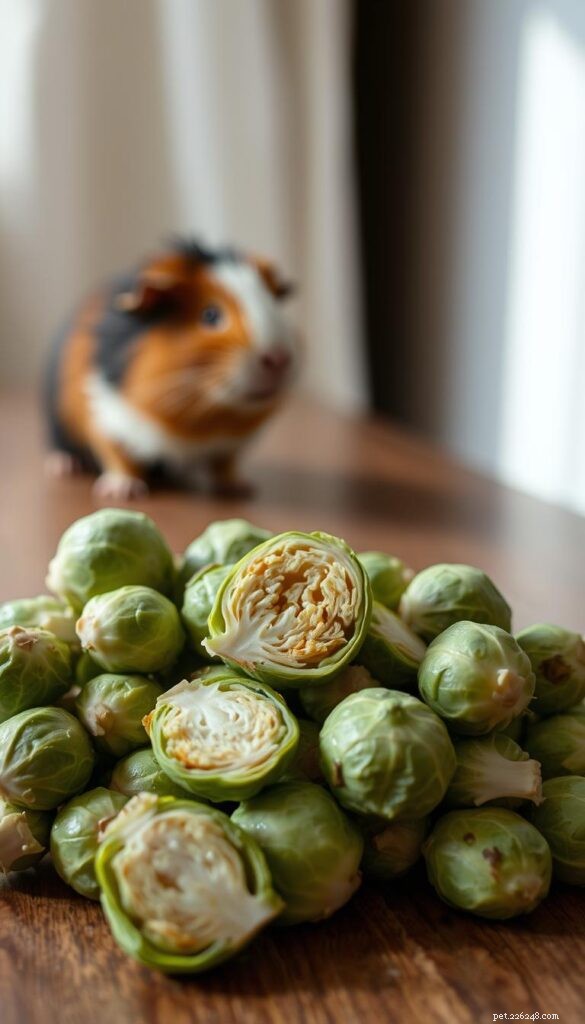
While Brussels sprouts offer many benefits, certain components can pose challenges for small pets. Awareness of these risks helps keep your guinea pig healthy.
Oxalate Concerns and Bladder Stone Formation
Oxalates bind with calcium to form crystals that can accumulate in the urinary tract. Frequent consumption of high‑oxalate foods may increase the risk of bladder stones, which require veterinary attention. Occasional servings—once a week or less—are generally safe.
Digestive Issues from Cruciferous Vegetables
The fiber that aids digestion can also cause gas and bloating if overfed. Watch for reduced appetite or abnormal stool patterns. Because fat‑soluble vitamins can accumulate in tissues, moderation prevents vitamin overload while still delivering health benefits.
Pair sprouts with hay—their digestive anchor—to promote gut balance and minimize discomfort.
Integrating Brussels Sprouts into a Balanced Diet
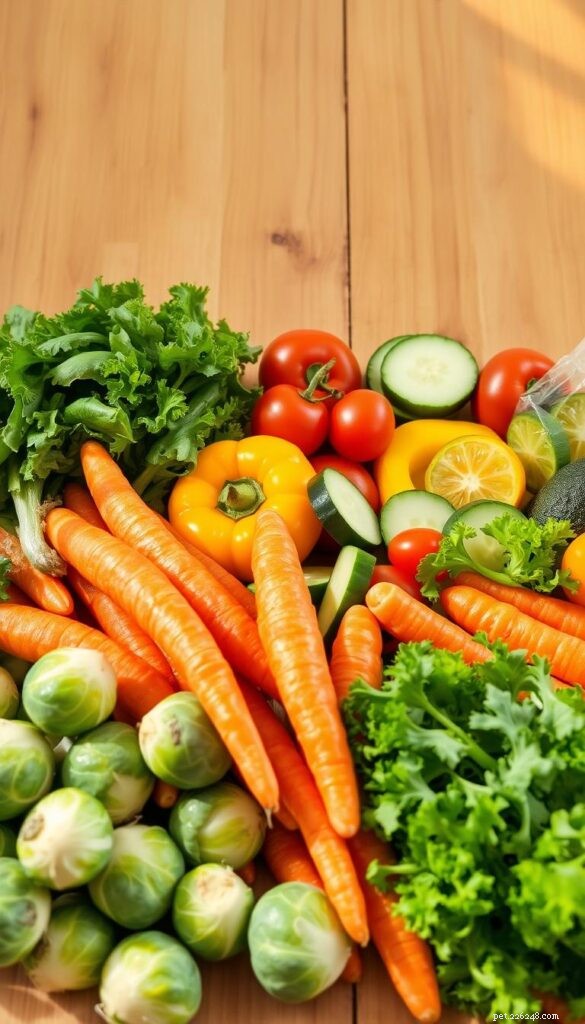
Variety is essential. Rotate Brussels sprouts with other nutrient‑rich vegetables to prevent vitamin overload and keep meals exciting.
Complementing with Other Nutrient‑Rich Veggies
Combine Brussels sprouts with bell peppers or shredded carrots for color and texture. Swap with broccoli or cauliflower leaves weekly to avoid excessive cruciferous intake. Include high‑moisture veggies like cucumber to offset dense fiber, and keep hay at 80 % of daily food.
Calcium‑rich options such as parsley balance bone health without stressing the urinary system. For picky eaters, finely chop sprouts into leafy greens to encourage exploration.
Tips for Introducing New Foods to Your Guinea Pig
Introduce new foods gradually. Start with a pea‑sized leaf during a regular meal to assess tolerance.
Gradual Introduction and Monitoring
Observe the guinea pig for 48 hours after the first offering. Normal droppings and active behavior indicate good tolerance; soft stools or reduced energy warrant a pause. Increase portions slowly—think thumbnail‑sized pieces after several successful trials—and always rinse thoroughly to remove residues.
Use a small cup in the cage for food experiments; this contains uneaten bits and simplifies cleanup. Remove leftovers within two hours to prevent spoilage.
Consistency matters—some guinea pigs may need up to four attempts before they readily eat Brussels sprouts. Every animal’s palate is unique, so keep portions tiny until you’re confident in their tolerance.
Monitoring Your Guinea Pig’s Health After Dietary Changes
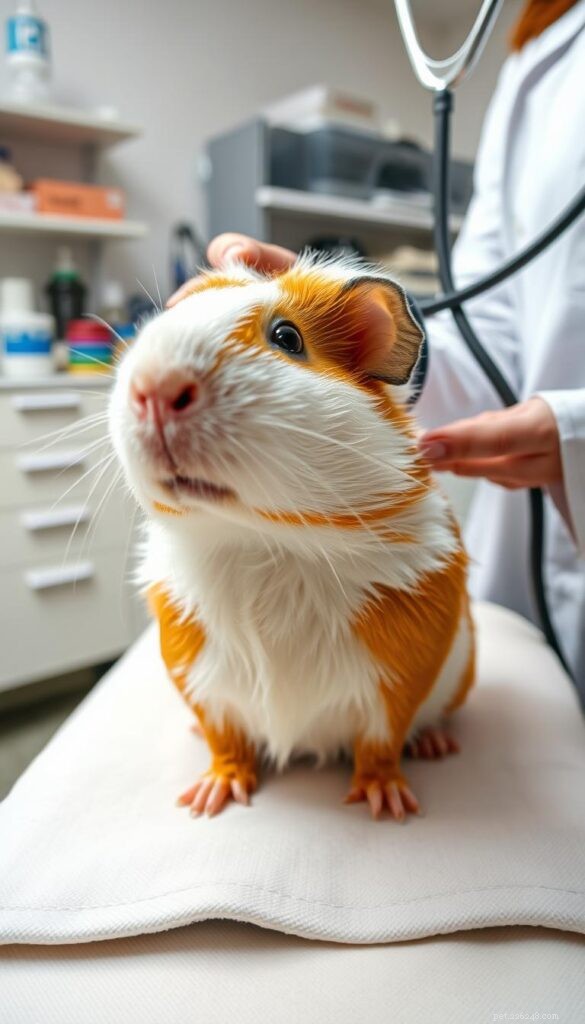
Track behavior, appetite, and stool quality closely after introducing new foods. A simple log helps you spot subtle changes.
| Symptom | Normal Adjustment | Concerning Signs |
|---|---|---|
| Appetite | Brief hesitation with new food | Refusing favorite treats for 12+ hours |
| Energy Levels | Slightly quieter first day | Lethargy lasting 2+ days |
| Hydration | Normal water intake | Sunken eyes or dry nose |
Record food portions, activity patterns, and stool consistency. Note any sneezing or fur changes—small animals often hide illness until it’s advanced. If symptoms persist beyond 48 hours, consult a veterinarian.
Balance is key. Fat‑soluble vitamins support health, but overconsumption can strain the system. Rotating safe vegetables maintains variety without overwhelming digestion.
Final Thoughts on Your Guinea Pig’s Diet
Smart pet care balances nutrition and safety. Occasional Brussels sprouts add essential vitamins while keeping meals engaging. Follow the preparation guidelines to maximize benefits without risks. Pair small portions with leafy greens and crunchy peppers for texture diversity.
Watch for healthy stools and steady energy levels to confirm that your guinea pig is thriving. Adjust serving sizes if you notice softer droppings or reduced activity.
A rotating menu supports overall health better than reliance on a single superfood. Combine sprouts with hay‑based meals and calcium‑controlled veggies for balanced nutrition. Your attentive care ensures these social animals enjoy every nibble safely.
FAQ
Are Brussels sprouts safe for my pet to eat?
Yes, but only in moderation. These veggies are high in vitamin C and fiber, which support your furry friend’s health. Overfeeding can lead to gas or bloating due to their cruciferous nature.
How often should I offer this vegetable?
Stick to small portions once a week. A single sprout or a few leaves per serving is plenty. Rotate with other veggies like bell peppers or kale to keep meals balanced.
What parts of the sprout can I feed?
The leaves and softer inner layers are easiest to digest. Avoid the tough stem, and always chop pieces into bite‑sized chunks to prevent choking.
Could these cause bladder stones?
They contain oxalates, which in excess may contribute to stone formation. Pairing them with low‑oxalate veggies like cucumbers helps reduce this risk.
How do I introduce this food for the first time?
Start with a tiny portion mixed into their regular greens. Watch for changes in stool or behavior over the next 24 hours. If all seems well, you can occasionally include it in their diet.
What signs indicate digestive trouble?
Lethargy, diarrhea, or a swollen belly are red flags. If you notice these, remove the new food and consult a vet. Always prioritize hay and water to support their gut health.
Can I pair sprouts with other vegetables?
Absolutely! Combine them with vitamin‑rich options like red cabbage or zucchini. Variety ensures your pet gets a mix of nutrients without overloading on one type.
- Professional Guide: Safely Clean Your Dog's Ear at Home
- How Dogs Learn and Respond to Commands: The Science Behind Obedience
- German Shepherd Prices: Cost Range, Puppy Prices & Common Health Concerns
- Can Dogs Eat Beets? Health Benefits and Safety Tips
- Immediate Treatment Steps for a Cat Experiencing Toad Poisoning
- Vet Insights: Why Your Cat’s Misbehavior Might Be Intentional
- What Do Emus Eat? Unveiling the Diet of Australia’s Giant Flightless Bird