

Guinea Pigs and Nighttime: What You Need to Know
Owning a guinea pig offers countless moments of joy, whether it’s their playful antics during the day or their gentle company at night. They’re social animals that thrive on routine and companionship, so many owners wonder what happens when the lights go out.
Do guinea pigs feel safe in the dark? If you’re considering a night‑light or simply want to understand their nighttime habits, the following facts will put your mind at ease.
Nighttime Is Ideal for Your Guinea Pig
Guinea pigs are perfectly adapted to complete darkness. Their keen whiskers, acute sense of smell, and excellent hearing allow them to navigate a cage filled with bedding and obstacles without visual cues. Their memory of the cage layout—down to the texture of shredded bedding—helps them move confidently in low light.
Even when the lights are off, these rodents feel secure and can move freely, making nighttime a natural and stress‑free period for them.
Understanding Guinea Pig Vision
Although their eyes are large and prominently positioned, guinea pigs have limited vision. They are hyperopic (farsighted), seeing distant objects more clearly than nearby ones, and possess a wide field of view. Compared to humans, they have reduced color discrimination and weaker near‑vision, but these deficits are compensated by their superior tactile, olfactory, and auditory senses.
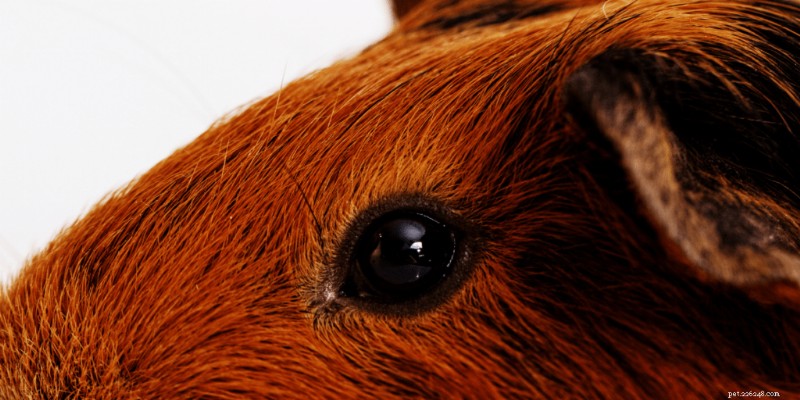
Because of these adaptations, guinea pigs reliably orient themselves in both light and dark, often requiring only a few minutes to adjust when the lights are switched off.
The Importance of a Light‑Dark Cycle
All guinea pigs need a balanced photoperiod to maintain health. They require a period of uninterrupted darkness and do not benefit from a night‑light during the night. Research in veterinary science has shown that excessive or prolonged artificial illumination can trigger estrus in females, alter visual acuity, and disrupt nursing behaviors in mother guinea pigs.
Studies of circadian rhythms in guinea pigs—examining heart rate, core temperature, and activity—reveal that some individuals lack a distinct sleep‑wake pattern. In these cases, activity spikes immediately after lights are turned on or off.
Activity Patterns: Light or Dark?
With stable ambient temperatures, guinea pigs display similar activity levels regardless of lighting. They engage in roughly 70‑90 minute bouts of activity followed by equal rest periods. During rest, they prefer to nest beneath a blanket of bedding, a behavior that is more pronounced when natural light is present. Wild guinea pigs tend to be crepuscular—most active at dawn and dusk—yet they are more responsive to temperature and food availability than to light duration.
Optimal Lighting Schedule
Most owners maintain a 12‑hour light and 12‑hour dark cycle, which aligns with the natural rhythms of these rodents. Some studies suggest that up to 16 hours of light followed by 8 hours of darkness can also be acceptable, provided the environment remains stable.
Creating a Comfortable Environment Day and Night
Because guinea pigs naturally power‑nap every 90 minutes, the key to their wellbeing is a safe, enclosed resting area. Provide a shelter with fresh bedding where they can retreat during the day and at night. A well‑designed shelter not only promotes sleep but also reduces stress during periods of illumination.
Bottom Line
Guinea pigs are naturally adapted to darkness and actually require at least eight hours of deep night to remain healthy and cheerful. Feel free to switch the lights off after dinner—your pet will handle the darkness just fine.
- What Cat Eyes Reveal: Decoding Their Hidden Emotions
- Why Cats Are Fascinated by the ‘Pspspsps’ Sound: The Science Behind Their Reaction
- Bully Basset (Basset Hound & Bulldog Mix) – Your Ideal Family Companion
- Comprehensive Guide to Raising Motherless Newborn Kittens Safely
- Safeguard Your Pets This Independence Day: Expert Tips for a Stress‑Free Celebration
- Dog Trancing Explained: Why Your Dog Walks in a Trance – Watch the Video
- Everything You Need to Know About the Russian Blue Cat Breed