

How to Raise and Care for Guinea Pig Pups: A Complete Guide
While caring for an adult guinea pig is familiar territory, newborn pups require a distinct set of practices to ensure their health and development. This guide consolidates expert advice from veterinary professionals and reputable animal‑care resources to help you nurture healthy, thriving guinea pig babies.
1. The Diet
Guinea pig newborns do not latch onto the mother’s teat immediately; it can take up to 24 hours for the first suckling session. By day three, they begin to nibble on solid foods introduced by the mother.
However, milk remains essential for the first several weeks to protect against bacterial infections that can be present in early solid foods. The primary diet for all guinea pigs is high‑quality grass hay—timothy or orchard‑brome are recommended because they provide the correct balance of fiber and low protein. Avoid alfalfa hay for pups unless they are nursing, as its high calcium and protein content can overstimulate their developing systems.
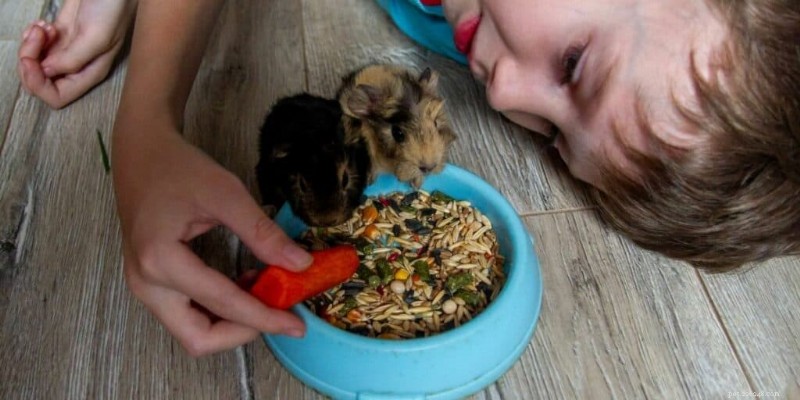
Complement hay with a small amount of fresh vegetables and fruit—about ½ cup per day. Dark leafy greens such as romaine lettuce, kale, and spinach are excellent sources of vitamin C. Add fruit varieties like apples and pears for variety, but keep portions moderate to avoid excess sugars.
Include a limited amount of guinea‑pig‑specific pellets; they support dental health and provide a reliable source of nutrients.
2. Formula Feeding
When formula is necessary, use a commercially available guinea‑pig formula (e.g., Teknos or Purina). Do not substitute cow’s milk or other animal milks, which can cause digestive upset.
Begin by placing a drop of formula on the pup’s mouth to encourage natural sucking. Use a small syringe or bottle nipple designed for tiny mammals. Avoid force‑feeding; a gentle, patient approach reduces the risk of aspiration pneumonia, a common fatal complication in pups.
3. Weaning
Weaning typically starts around four weeks of age. The mother gradually reduces feeding frequency from 3–4 times daily to 2–3 times. If you are formula‑feeding, gradually dilute the milk with clean water, increasing the water proportion over several days until the pup accepts solids exclusively.
4. Water
Provide fresh, clean water at all times. A sipper bottle that the pups can easily reach is ideal, but a heavy, stable bowl that won’t tip over also works well. Position the water source on a flat, non‑slippery surface to prevent spills and drowning risk.

5. Sheltering
Use a wire, glass, plastic, or stainless‑steel cage rather than wooden enclosures, which can be chewed and difficult to clean. The enclosure should provide a minimum of 8 sq ft of floor space for a nursing mother and her pups, allowing room for exploration and play.
Ensure the cage is well‑ventilated, escape‑proof, and free of sharp edges. The Prevue Pet Products 528 Universal Small Animal Home (dark gray) is a popular choice that meets these criteria.
Prevue Pet Products 528 Universal Small Animal Home, Dark Gray
in stock
Amazon.com
Amazon price updated: June 10, 2026 11:41
Clean the cage at least once a week. Replace bars or add a finer grid if the standard spacing is too wide for pups to slip through. A solid floor is safer for newborns, but if you prefer wire, use a shallow, wide mesh to reduce injury risk.
6. Bedding
Use shredded newspaper or hardwood shavings as bedding. Change it at least twice a week to keep the environment dry and odor‑free. Do not use cedar or pine shavings, as they contain oils that can irritate the pups’ respiratory tract.
Newborns need warmth; allow two pups to cuddle together, or place a warm water bottle wrapped in a soft towel in the cage if only one pup is present. Keep the temperature between 75°F and 80°F (24°C–27°C).
7. Handling Your Pup
Wash your hands thoroughly before handling to remove odors that might scare the pup. Gently lift the pup from the front, allowing it to see you. If the pup resists, set it back down and try again later. Handle the pup only when it is alert—avoid picking up sleeping or nursing pups to prevent distress.
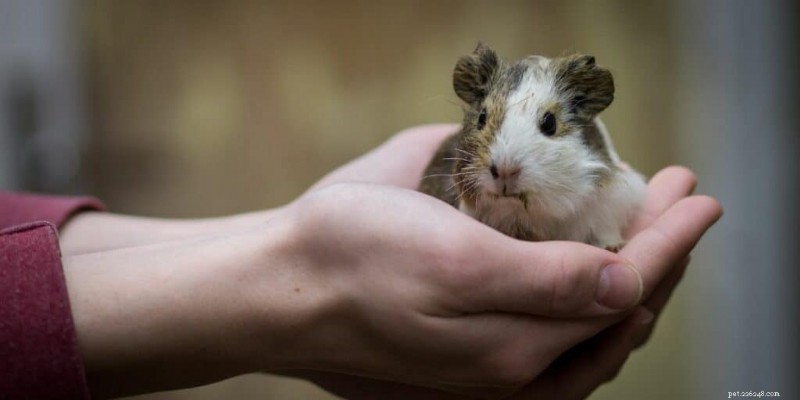
Maintain a firm yet gentle grip to prevent accidental falls, which can cause serious injury. Early, consistent handling helps pups become socialized and comfortable around humans.
8. Separation and Housing
Guinea pigs are social but can become territorial. Separate males and females after 3–4 weeks to prevent early mating; consider spaying or neutering after 16 weeks. If you plan to relocate a fully weaned pup (typically after 8 weeks), a veterinary exam can confirm readiness for transfer.
9. Entertainment
Provide safe, engaging toys such as small cardboard boxes or tissue rolls. Guinea pig pups enjoy hiding and exploring; offering varied hiding spots encourages natural behavior and reduces boredom.
10. Excretion
Newborn pups often need gentle stimulation to void urine and feces. The mother typically licks the belly and genital area to trigger excretion. In the mother’s absence, use a warm, damp cotton ball to massage the area for 15–20 minutes until the pup shows muscle contraction.
11. Health Monitoring
Watch for signs of illness: diarrhea, swollen gums, loss of appetite, or abnormal behavior. Early veterinary intervention is critical for conditions such as overgrown teeth, ringworm, or bleeding gums. The American Veterinary Medical Association recommends prompt care for any health concerns.
With attentive care, your guinea pig pups will grow into healthy, sociable companions.
Enjoy nurturing your adorable guinea pig babies!
- Boston Terrier Breed Guide: Traits, Care, and Why They’re the Perfect Family Companion
- Meet Labrador Retriever‑Chow Mix Puppies: Playful & Friendly
- Welsh Corgi: The Loyal, Energetic Companion
- Discover the Leopard Gecko: A Gentle, Long‑Lived Companion for New Reptile Owners
- Ask a Vet: Why Does My Cat Jump When Startled?
- Are Asparagus Safe for Bearded Dragons? Nutrition & Feeding Tips
- When and How to Bathe Your Cat: A Practical Guide