

The Ultimate Guide to Choosing the Best Hay for Your Guinea Pig
Choosing the right hay is essential for a guinea pig’s dental health, digestive function, and overall wellbeing. While it may seem simple, not all hays are created equal. This guide distills expert advice, popular brands, and practical tips so you can feed your little friend the best.
Top 5 Brands of Hay for Guinea Pigs
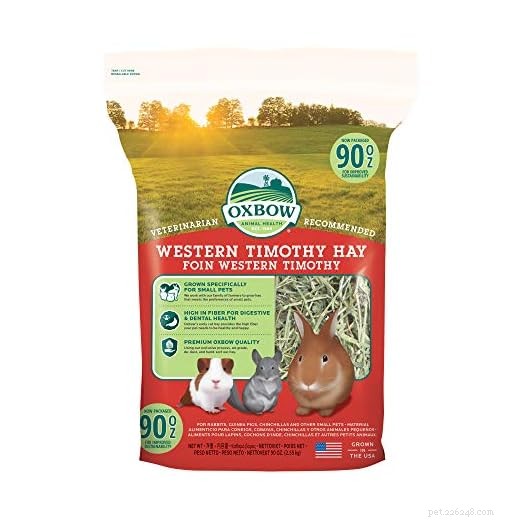
Oxbow Animal Health Western Timothy Hay – All‑natural, veterinarian‑recommended hay grown in the United States. Ideal for rabbits, guinea pigs, chinchillas, hamsters, and gerbils.
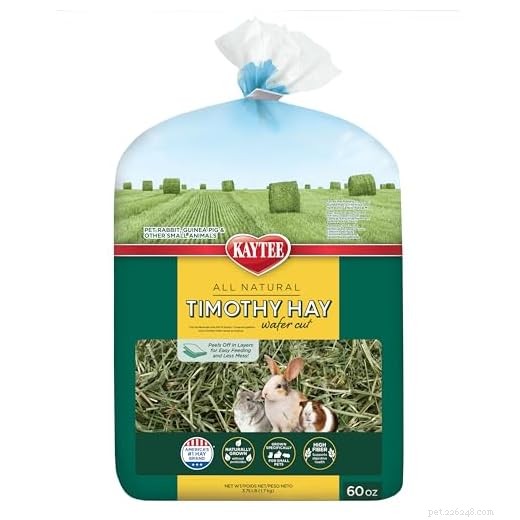
Kaytee Wafer Cut All Natural Timothy Hay – 60‑ounce bag of premium, lightly cut hay that’s gentle on delicate teeth.
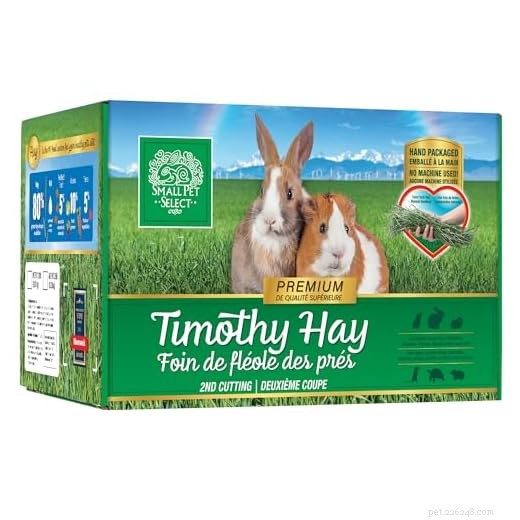
Small Pet Select 2nd Cutting Perfect Blend Timothy Hay – 12‑lb bag of second‑cut hay rich in fiber and nutrients, great for everyday feeding.
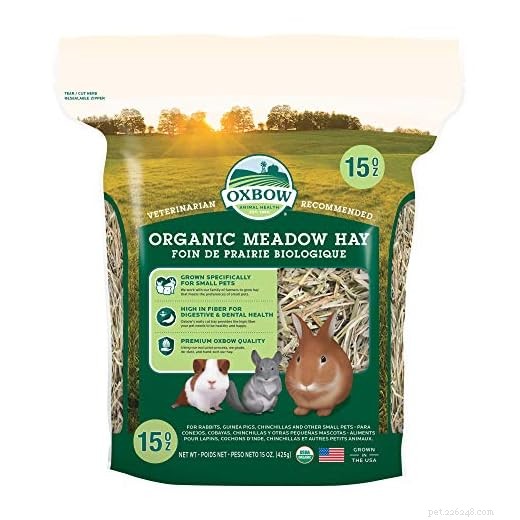
Oxbow Animal Health Meadow Hay – 15‑oz bag of all‑natural meadow hay that includes a mix of grasses and wildflowers.
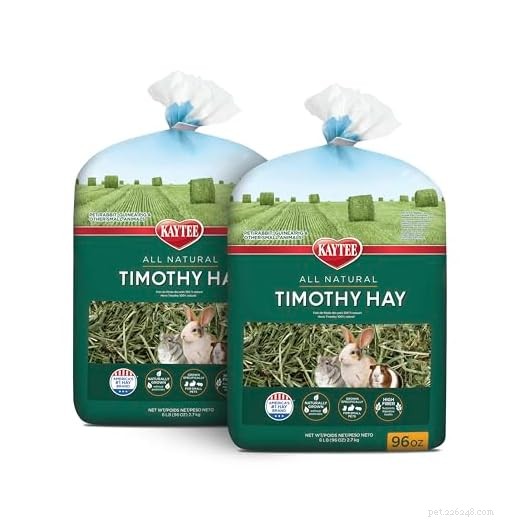
Kaytee All Natural Timothy Hay – 12‑lb bag of high‑quality Timothy hay suitable for a wide range of small animals.
How to Choose the Right Hay
Hay isn’t just filler food; it’s the backbone of a guinea pig’s diet. A quality hay should provide:
- High fiber (≥9% crude fiber) for digestive health and teeth wear
- Moderate protein (≈9% crude protein) for growth and muscle function
- Balanced minerals, especially calcium, tailored to age and health status
- Zero pesticides or additives
- Fresh, clean scent and a natural green‑gold color
Types of Hay & Their Cut Levels
Understanding cut levels helps match the hay’s texture to your guinea pig’s age and chewing ability.
- First Cut – Coarse, high in fiber, suitable for mature pigs with strong teeth.
- Second Cut – Softer, includes leaves and fewer stems, ideal for growing or less hardy pigs.
- Third Cut – Very soft, minimal stems; best for picky eaters, sick or elderly pigs.
Key Considerations by Age & Health
Young Pigs (0–4 months) – Require higher calcium and softer hay to support bone growth. First or second cut Timothy or orchard hay works well.
Adult & Mature Pigs – Moderate calcium levels prevent bladder stones. First cut hay keeps teeth worn down.
Pregnant/Nursing Pigs – Calcium‑rich hay (e.g., first cut Timothy) supports fetal development and milk production.
Obese Pigs – Low‑calorie, high‑fiber first cut hay can aid weight management.
Assessing Hay Quality
Look for:
- Bright, green‑gold color indicating freshness
- Fresh cut scent; avoid moldy or musty odors
- No visible dust or debris; clean storage is critical
- Organic certification from reputable U.S. farms is a plus
Final Thoughts
Hay is the foundation of your guinea pig’s diet. By selecting fresh, high‑fiber, and age‑appropriate hay, you support healthy teeth, a robust digestive system, and overall longevity. When in doubt, consult your veterinarian for personalized recommendations.
- Blow-Drying Your Dog Safely: Expert Tips & Guidance
- Corsengi Dog: Origin, Traits, and Care Guide
- Suffolk Chocolate Cat: Breed Information & History
- Why Do Cats Sit in the Bread Loaf Pose? Understanding the Meaning Behind This Adorable Position
- Dog Ear Care Guide: Expert Tips for Health & Happiness
- The 3‑3‑3 Dog Adoption Framework & Penny’s Progress Update
- Why Does My Dog Chatter Its Teeth? 5 Expert-Backed Reasons