

The Ultimate Guide to Vitamin C for Guinea Pigs: Foods, Portions, and Safety Tips
Unlike many pets, dogs and cats can synthesize their own vitamin C, so owners rarely need to monitor their intake. Only a few species—including humans and most primates—must obtain vitamin C from food.
Guinea pigs fall into the same category. They cannot produce vitamin C internally, making dietary intake essential for their wellbeing.
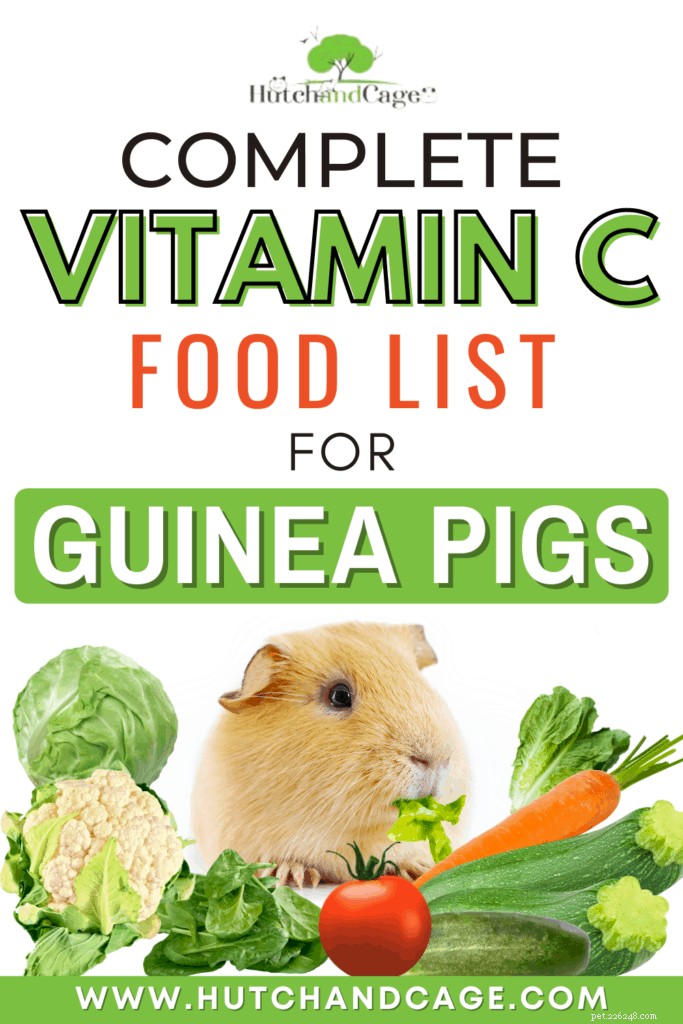
In the wild, guinea pigs forage for vitamin‑rich plants. As companion animals, they depend on us to provide these nutrients. The following comprehensive list will help you meet their needs.
Why is Vitamin C So Important?
Vitamins perform specific roles in the body. Vitamin C, in particular, supports the immune system and helps maintain healthy cells, bones, and connective tissue.
The same holds for guinea pigs; inadequate vitamin C weakens their immune defenses, increasing susceptibility to infections.
Always Make Sure He has a Supply of Hay
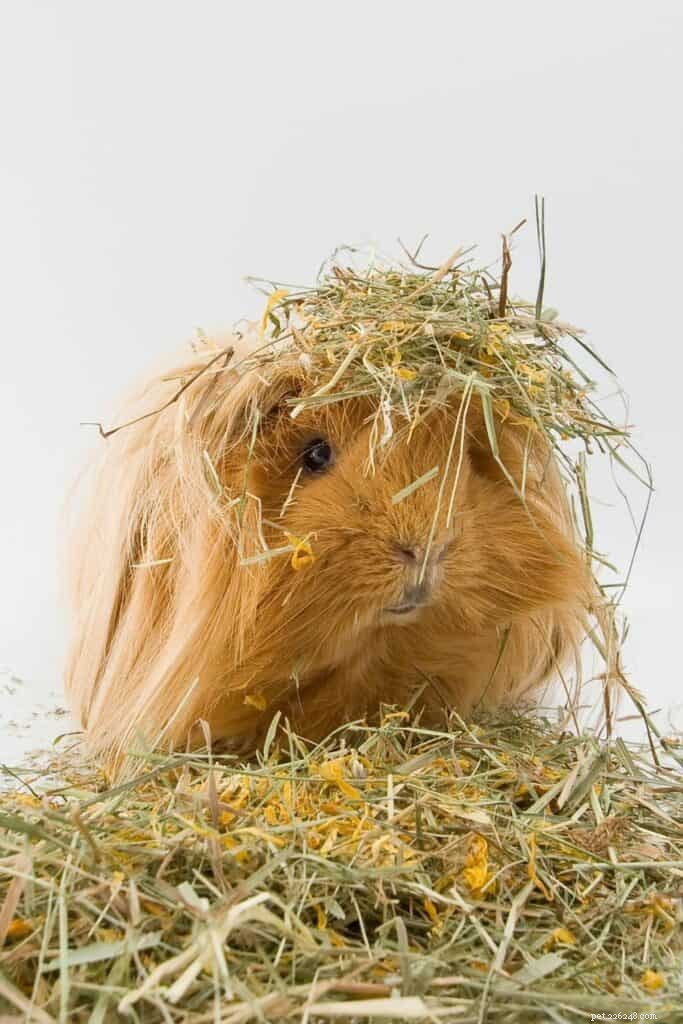
High‑quality hay and grasses form the core of a guinea pig’s diet, providing roughly 80% of daily calories and essential fiber.
We recommend Timothy hay, available on Amazon. Here is a link to our preferred brand.
Grasses naturally high in vitamin C—such as dandelion, marigold, and chamomile—would be ideal if fresh. Unfortunately, these herbs wilt rapidly, causing a quick loss of nutrients.
Therefore, supplementing with other vitamin‑rich foods is essential.
Will Vitamin C-Enriched Pellets Be Enough?
Many manufacturers now offer vitamin‑C‑enriched pellets, which provide a convenient daily source of nutrients.
Our preferred choice is Kaytee pellets, available on Amazon.
But vitamin C in these pellets degrades after the bag is opened. If your guinea pig consumes less than the recommended 1/8 to 1/4 cup per day—split into two meals—he may fall short of his daily requirement.
In that case, supplement with fresh fruits and vegetables to ensure adequate intake.
Fresh Vegetables are Perfect and Inexpensive!
Although vitamin‑C‑rich treats exist, fresh vegetables are cost‑effective and provide superior nutrition.
However, not every vegetable is suitable for daily feeding. Some contain excess sugar or calcium, so it’s important to choose wisely.
Always discard any uneaten produce within a few hours to prevent bacterial growth.
These are the kinds of vegetables that you should give your guinea pig, along with suggested portion sizes and feeding timetables:
- Yellow and green bell peppers – 1 or 2 slices, once per day
- Red and orange bell peppers – 1 or 2 slices, 2-3 times per week
- Tomato – 1 or 2 slices, or one cherry tomato, once per week
- Spinach – 2 or 3 small leaves, once per week
- Cauliflower – 2 small florets and 2 small leaves, twice per week
- Cabbage – 2 or 3 leaves, twice per week
- Celery – 1 or 2 slices, with leaves, twice per week
- Cucumber – 1 or two slices, 3 times per week
- Lettuce – 1 or 2 leaves, daily
- Zucchini – 5 or 6 slices (100g), daily
- Broccoli – 1 floret with stem and leaf, twice per week
- Carrot – 2 or 3 slices, three times per week
- Squash/Pumpkin – 1 or 2 chunks, twice per week
Aim for approximately ½ cup of vegetables daily, combining the varieties above. Overfeeding can lead to digestive upset.
Other vegetables that contain less vitamin C but are still fine to feed as an occasional treat are:
- Dill
- Basil
- Chicory
- Asparagus
- Beetroot
- Coriander
- Parsley

Fruits Rich in Vitamin C
While fruits provide high levels of vitamin C, their sugar content can contribute to weight gain or renal issues. Offer them sparingly, in smaller portions than vegetables.
- Apple – 1 piece, once per week
- Pear – 1 piece, once per week
- Strawberry – 1 small strawberry, once per week (include the leaves!)
- Banana – 1 small piece (15g), once per week
- Watermelon – 1 slice, three times per week (seeds removed!)
- Raspberry – 1 small raspberry, twice per week
- Kiwi – 2 slices, once per week
- Orange – 1 orange segment, once per week
- Grapes – 2 small grapes, once per week
- Cherry – 1 cherry, twice per week (pit removed!)
- Blueberry – 1 or two blueberries, once per week
- Pineapple – 1 chunk, once per week
- Peach – 1 slice, once per week
- Apricot – 1 small apricot, twice per week
Select one or two fruits per week, rather than offering every type.
Foods You Should NEVER Feed Your Guinea Pig
You should never give your guinea pigs:
- Rhubarb leaves
- Peas
- Avocado
- Onion
- Mushroom
- Corn
Introduce New Foods Slowly
It can be tempting to offer a large selection of fresh produce at once, but doing so may overwhelm your guinea pig’s digestive system.
Introduce new items gradually—one new food per week—to monitor tolerance and avoid digestive disturbances.
Following this guide will help keep your guinea pig healthy and its immune system strong.
How much vitamin C should I give my guinea pig?
Recommended daily intake is approximately 50 mg of vitamin C. Fresh vegetables are the most reliable source.
Can guinea pigs get vitamin C from grass?
Grass, alfalfa, and hay are poor sources of vitamin C. While essential for fiber, they should be supplemented with vitamin‑rich vegetables.
Should I put vitamin C droplets in my guinea pig’s water?
Avoid adding vitamin C drops to water. Dilution reduces potency, and the required dosage could be unsafe if the animal drinks more than expected.
Can I give my guinea pig human vitamin C tablets?
Human vitamin C tablets can be used if they are chewable and contain around 80 mg. Split each tablet into four pieces so your guinea pig receives ~20 mg.
What happens if a guinea pig doesn’t get vitamin C?
Insufficient vitamin C leads to scurvy, which manifests as reduced appetite, lethargy, a rough coat, internal bleeding, and, if untreated, death.
Final Thoughts
Ultimately, the responsibility for your guinea pig’s vitamin C intake lies with you. As caretakers, we must provide a balanced diet and optimal living conditions. Reflect on this information before welcoming a new pet.
- Do Dogs Understand Time? How Their Internal Clock Guides Daily Life
- Effective Ways to Reduce Your Dog's Stress
- Everything You Need to Know About the American Eskimo Dog
- Turn Mealtime Into a Powerful Training Tool for Your Dog
- Snakes in New Zealand: What Every Resident Should Know
- Easily Detect and Clean Dog Urine Accidents with a Trusted UV Flashlight
- Important: Why You Should Never Give Your Cat Aspirin or Common Painkillers