

Why Your Guinea Pig Feels Afraid of You – Understanding and Rebuilding Trust
Welcome to our guide on understanding why your guinea pig might appear fearful. Whether you’re a new owner or have had a pet for years, this article will help you identify common triggers and offer practical solutions to rebuild a trusting relationship.
You Pick Up Your Guinea Pig Too Often
Guinea pigs are prey animals; even a brief touch can feel like a predator’s reach. If you lift your pet every time you see them, they will associate your presence with a negative experience and grow more anxious around you.
Instead, greet your guinea pig with something positive—such as a small treat or a few minutes of gentle petting—without lifting them. Over time, they will begin to link your visits with good things and become less hesitant when you eventually do pick them up.
Remember, change takes patience. Consistent, calm interactions will gradually shift their perception.
You Discipline Your Guinea Pig
Unlike children or dogs, guinea pigs cannot understand the rationale behind human-directed discipline. Yelling or punishment only reinforces a negative association with you, leading to fear and avoidance.
For misbehavior, try a neutral‑environment approach: calmly pick up the animal, place them in a quiet, toy‑free space (e.g., a laundry basket) for 5–10 minutes, then return them to their cage. This helps the guinea pig link the behavior with a neutral setting rather than your reaction.
Your Guinea Pig Is Lonely
Social isolation can manifest as fear or depression. Guinea pigs thrive on companionship; a single cage may leave them lonely and withdrawn.
Consider adding a compatible cagemate. Female guinea pigs can live well together, while male guinea pigs should have only one male companion to avoid territorial disputes. Ensure the cage is large enough to accommodate both.
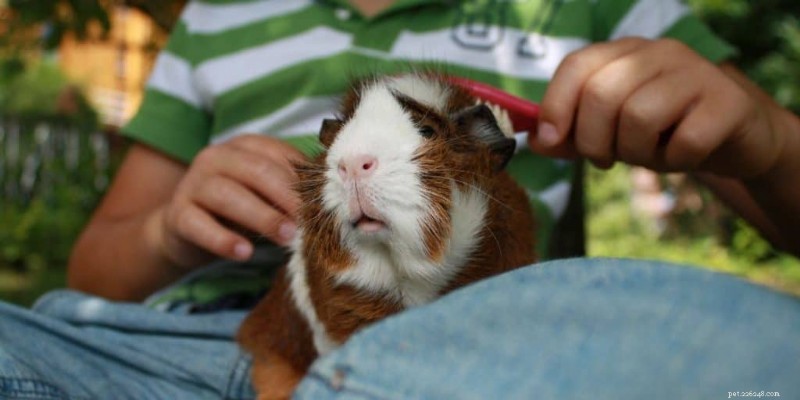 Learn to bond with your guinea pig by grooming them gently
You Have a Shy Guinea Pig
Some guinea pigs simply have a more reserved temperament. If your pet is shy but shows signs of contentment—such as “popcorn” behavior when fed or no aggression toward a cagemate—then fear is likely personality rather than a problem that needs fixing.
However, if conflict with a companion causes withdrawal, separate them for about two weeks before reintroducing them slowly.
Conclusion
Fearful behavior can stem from over‑handling, inappropriate discipline, loneliness, or natural shyness. By observing your guinea pig’s cues and adjusting your approach, you can restore confidence and strengthen the bond you share.
- Acme Canine's Stance on Humane Dog Training Tools
- Understanding Dog Allergies: Causes, Symptoms, Treatments & Costs
- Karelian Bear Dog: Loyal, Active Hunting Companion
- Are Cucumbers Safe for Birds? A Quick Guide to Feeding Your Feathered Friends
- Is Aloe Vera Juice Safe for Dogs? Benefits & Dosage Explained
- Mastering Cat Petting: 3 Essential Do’s and Don’ts for a Happy Bond
- Is Vanilla Yogurt Safe for Cats? Vet‑Approved Guidelines