

Can Guinea Pigs Safely Eat Cherries? Health Tips & Serving Guidelines
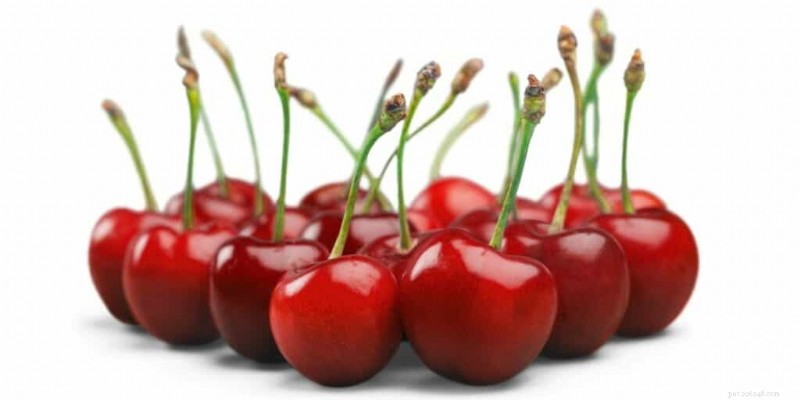
While cherries can add a burst of flavor to a guinea pig’s diet, only the fruit flesh is safe for consumption. The stem, leaves, and pit contain cyanogenic compounds that can be fatal to small pets.
Which Cherry Parts Are Unsafe and Why?
- Cherry stems – contain trace amounts of cyanide.
- Cherry leaves – contain prussic acid that converts to cyanide when wilting.
- Cherry pits – high cyanide content; a single pit can be lethal.
These parts pose a serious risk because guinea pigs have a very small body mass and even a small dose of cyanide can cause severe toxicity or death.
Benefits of the Cherry Flesh
When given in moderation, cherry flesh provides a wealth of nutrients, especially vitamin C, which guinea pigs cannot synthesize on their own. Other key nutrients include vitamin A, vitamin K, B‑complex vitamins, manganese, magnesium, copper, potassium, calcium, iron, zinc, folate, and thiamine. The fruit also offers protein, fiber, complex carbohydrates, and healthy fats.
Health Advantages for Your Guinea Pig
- Metabolism boost – helps keep your cavy physically active.
- Hydration aid – high water content can reduce overall water intake needs.
- Antioxidant support – combats oxidative stress and supports immune health.
- Cardiovascular benefits – may help regulate cholesterol levels.
- Digestive support – dietary fiber promotes a healthy gut.
- Vitamin C supplementation – essential for collagen formation and overall health.
Despite these benefits, cherries should not become a staple. Excessive intake can lead to obesity, diabetes, or gastrointestinal upset.
Potential Risks of Over‑Feeding
Cherry flesh contains a natural sugar load and acidity. Over‑feeding can cause:
- Diarrhea and GI disturbances
- Obesity and metabolic issues
- Mouth sores or burns from acidity
Recommended Serving Size
Offer a single, small cherry (or a quarter of one) once or twice a week. Some owners limit it to once a month. Always consult your veterinarian to tailor the frequency to your pet’s individual health status.
Other Safe Fruits for Guinea Pigs
In addition to cherries, consider these fruits, which are generally safe when given in moderation:
- Apples, Apricots, Bananas, Blueberries
- Cranberries, Kiwi, Grapes, Mangoes
- Melons, Nectarines, Pawpaw, Passionfruit
- Peaches, Pears, Plums, Pineapple, Strawberries
- Star fruit, Watermelon
FAQs
Can guinea pigs eat cherry pits or stems?
No. They contain cyanide and are toxic.
What is the best fruit for guinea pigs?
Apples, bananas, melons, and strawberries are good choices, but all should be given sparingly due to high sugar.
What foods are toxic to guinea pigs?
Chocolate, nuts, seeds, peanut butter, garlic, onions, corn, beans, cabbage, mushrooms, bread, and meat are all harmful.
How many cherries can I feed my guinea pig?
One or two cherries a time, only a few times per month.
Conclusion
Cherries can be a healthy, enjoyable treat for guinea pigs when the flesh is served in moderation and all hazardous parts are removed. By following these guidelines and consulting with a veterinarian, you can safely incorporate this fruit into your pet’s balanced diet.
- Hill's Nutrition Voluntarily Recalls Select Canned Dog Food Due to Elevated Vitamin D Levels
- Why Budgies Make Perfect, Social Pet Companions
- Craft a Winning Email Newsletter for Your Pet Shop
- Professional Guide: How to Trim Your Dog's Nails Safely
- Pug Health Guide: Common Conditions, Symptoms & Prevention
- Can Emus Be Great Pets? Expert Insights and Key Considerations
- Curvynest: Premium Designer Cat Tree by Catswall – Elegant, Multi-Level Perching Experience