

Safe Fruit Choices for Guinea Pigs: Expert Feeding Guide
Choosing the right foods for your guinea pig is essential for a happy, healthy companion. While hay and pellets form the core of their diet, carefully selected fruits can provide a tasty and nutritious treat that delivers the vitamin C they cannot produce on their own.
What You Need to Know About Guinea Pig Diets
Guinea pigs are obligate herbivores, meaning their digestive systems are built for fibrous plant material. A balanced diet typically includes:
- Unlimited fresh timothy hay – high in fiber and easier to digest than cheaper hays.
- ~1/4 cup of quality pelleted guinea‑pig food per day for essential nutrients.
- ~1 cup of fresh vegetables daily to supply vitamins and minerals.
- Occasional fruit treats – but always in moderation.
Hay not only feeds but also helps wear down their continuously growing teeth, keeping oral health in check.
Quick List of Safe Fruits
- Apples (seedless, core removed)
- Apricots (seed removed)
- Bananas (small portions)
- Blueberries
- Cherries (pit removed)
- Cranberries (moderate amounts)
- Kiwi
- Grapes (seedless, limited)
- Mangoes (seed removed)
- Melons (cantaloupe, watermelon, honeydew – seed removed)
- Nectarines (pit removed)
- Pawpaw (papaya, seed removed)
- Passionfruit (seed removed)
- Peaches (pit removed)
- Pears (seed removed)
- Plums (pit removed)
- Pineapple (core removed)
- Strawberries
- Star fruit (seed removed)
- Watermelon (seed removed)
Why Vitamin C Is Essential
Guinea pigs require 30–50 mg of vitamin C daily to prevent scurvy. Most premium pellets provide a significant portion of this need, but fresh fruit is a natural and palatable supplement.
How Much Fruit Is Appropriate?
Because fruit contains natural sugars, it should only supplement, not replace, vegetables and hay. A typical feeding schedule might look like this:
- Unlimited hay at all times.
- 1 cup of mixed vegetables each day.
- 1/4 cup of pellets each day.
- 1–2 small fruit servings per week (or a very small treat each evening).
Below is the approximate natural sugar content per 100 g of common fruits to help you gauge portions:
| Fruit | Natural Sugar (g/100 g) |
|---|---|
| Apples | 10 |
| Bananas | 12 |
| Grapes | 16 |
| Kiwi | 9 |
| Pineapple | 10 |
| Pumpkin | 3 |
| Watermelon | 6 |
| Avocado | 0.7 |
| Passion Fruit | 11 |
Serving Fruit Safely
- Wash all fruit thoroughly and remove seeds or pits.
- Cut into bite‑sized pieces no larger than 1/8 of an orange.
- Serve at room temperature to avoid digestive upset.
- Discard any leftovers after 24 hours to prevent spoilage.
- Keep portions small; a single fruit snack is enough for a treat.
Best Fruits for Guinea Pigs
These fruits are rich in vitamin C, high in water content, and generally well tolerated:
- Blueberries, blackberries, cantaloupe, oranges, strawberries, grapefruit, kiwi, mango, raspberries, peaches, nectarines, plums, figs, and dates.
Apples and pears are excellent too—just remove seeds and cores. Cherries are fine if pits are removed. Bananas, cranberries, and watermelon can be offered in moderation due to their higher sugar or potential digestive upset.
Dried Fruit: A Quick Note
Dried fruit is highly concentrated in sugar and should only be given in very small amounts, if at all.
Fruits to Avoid or Use Caution With
Grapes are often cited by veterinarians as a potential risk for guinea pigs; if you choose to offer them, use seedless varieties and limit to a single piece per week. Pits in cherries, peaches, and plums should always be removed as they can cause choking.
Key Takeaways
For a balanced diet:
- Provide unlimited high‑quality hay.
- Offer 1/4 cup of premium pellets daily.
- Give 1 cup of fresh vegetables each day.
- Introduce fruit treats sparingly—once or twice a week.
These guidelines help maintain your guinea pig’s vitamin C intake, support digestive health, and prevent dental overgrowth.
Sample Staple Foods
Below are some recommended hay and pellet options that are widely available:
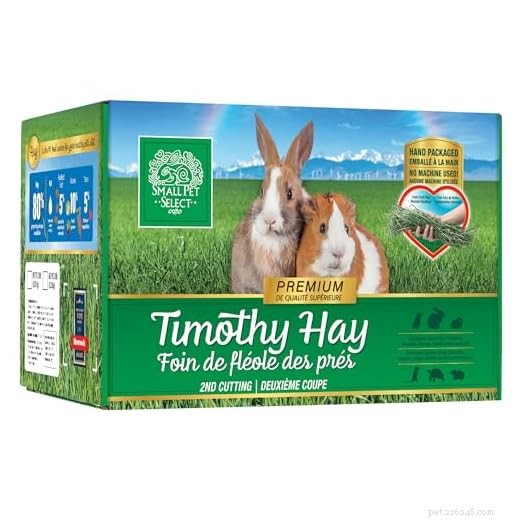 Small Pet Select 12‑Pound 2nd Cutting Timothy Hay
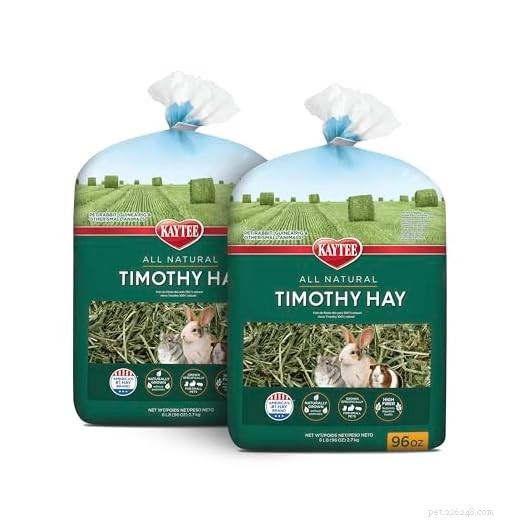 Kaytee Timothy Hay, High Fiber, 12 lb
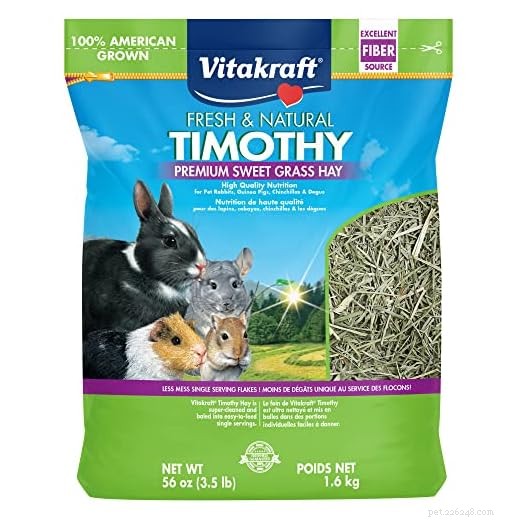 Vitakraft Timothy Hay, 56 oz resealable bag
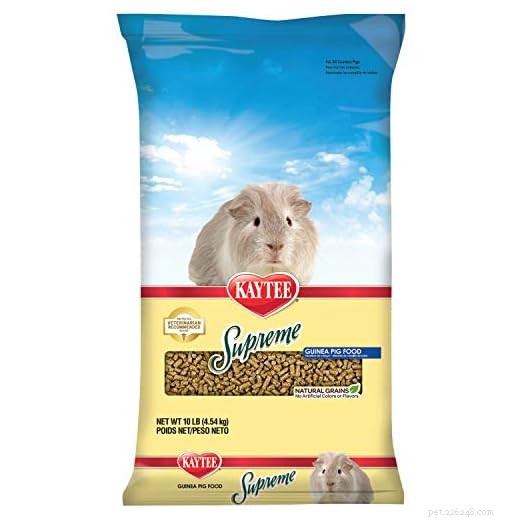 Supreme Guinea Pig Food, 10 lb
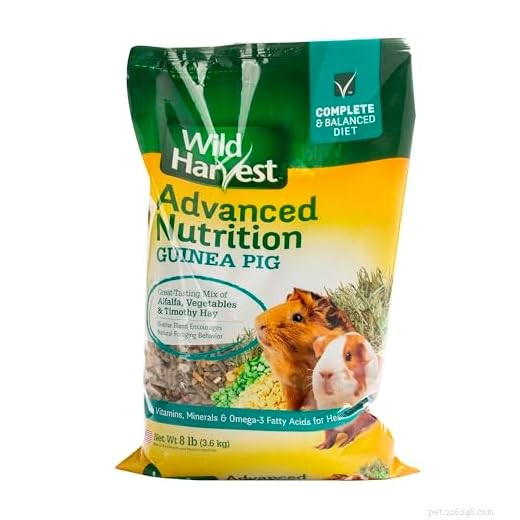 Wild Harvest Advanced Nutrition Diet for Guinea Pigs
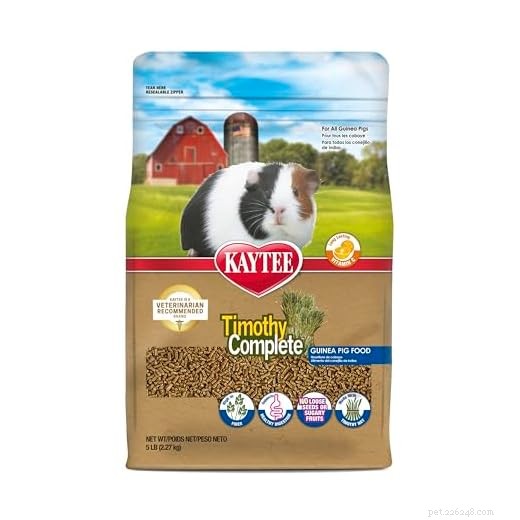 Kaytee Food from The Wild Guinea Pig, 4 lb
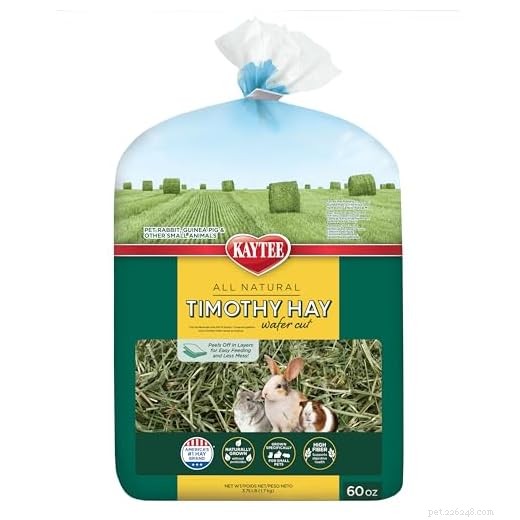 Kaytee Wafer Cut Hay, 60 oz
Always check the expiration date and store hays in a dry, cool place to maintain freshness.
- Mastering Cat Litter Training: A Guide to Quick, Stress-Free Results
- 4 Proven Benefits of Playing With Your Cat Today
- Discover Austin Pet Expo: Family Fun with Furry Friends
- How to Safely Handle Your Dog During a Seizure
- The Real Cost of Owning a Rabbit: From Purchase to Everyday Care
- Guinea Pig Ear Infection: Symptoms, Causes & Quick Vet Care
- The Ultimate Guide to Superfoods for Dogs: Boost Health Naturally