

Can Guinea Pigs Safely Consume Grass Clippings? Risks & Alternatives
Curious if guinea pigs can safely consume grass clippings? While they thrive on hay—essentially dried grass—grass clippings pose significant health risks.
Collecting a small amount of fresh grass is vastly different from feeding the mixed, chopped material left on your lawn.
Grass clippings can contain pesticides, bird droppings, fertilizer, and other contaminants that may be present on your lawn. They also ferment rapidly; when ingested, fermented clippings can lead to bloating, digestive upset, and illness. Opt instead for freshly washed, pesticide‑free grass.
Can Guinea Pigs Eat Grass Clippings?
While guinea pigs can enjoy grass, grass clippings introduce a range of hazards that are best avoided. Instead of relying on mower leftovers, simply gather fresh blades from a clean area—no mower required.
The biggest dangers of grass clippings are:
Pesticides
Pesticides are toxic to guinea pigs as well as to plants and pests. Never feed your guinea pig grass that has been treated in any way. Grass remains unsafe for at least four to five lawn mows after pesticide application. Only select grass you are absolutely certain is free from chemicals, fertilizers, and other additives.
Weeds
Lawns contain more than just grass. Weeds such as ivy, sorrel, coltsfoot, goldenrod, and mallow are toxic to guinea pigs. When mowing, these plants mix with grass clippings, making the material unsuitable for pet consumption.
Lawnmower Exhaust
Grass clippings are exposed to the exhaust from a lawnmower, which can deposit harmful fumes onto the blades. These pollutants can compromise the health of your guinea pig if ingested.
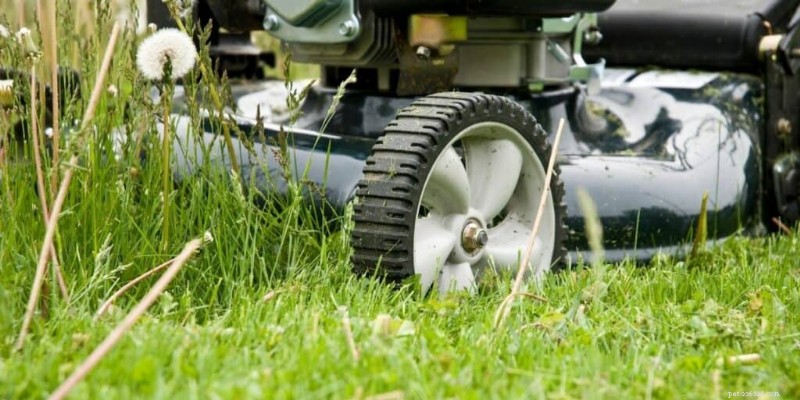 Fuel and fumes can settle on the grass, posing additional risks.
Bird Droppings and Dog Urine
Bird droppings and pet urine can carry pathogens that are dangerous to guinea pigs. These substances become trapped within the clippings and can be ingested inadvertently.
Mushrooms
Wet lawns support a variety of mushrooms, many of which are toxic to guinea pigs. Even small or hidden species can contaminate clippings and pose a serious threat.
Fermentation
Grass clippings ferment quickly. If a guinea pig consumes fermented clippings, they can develop severe bloating and digestive distress, potentially leading to fatal complications due to their limited ability to expel gas.
Guinea Pigs Won’t Chew Grass Clippings Properly
Because clippings are already shredded, guinea pigs may swallow them whole instead of chewing thoroughly. This can result in intestinal blockages and other health problems.
Can I Give My Guinea Pig Grass?
Hay—primarily Timothy hay—is the staple of a guinea pig’s diet and is essentially dried grass. Fresh, untreated lawn grass can also be offered, provided it meets strict cleanliness standards.
Key requirements:
- Grass must be pesticide‑free, dirt‑free, and free of droppings or urine.
- Only pick fresh, tender blades; older, dry grass is less nutritious.
- Always wash the grass thoroughly in a colander to remove surface contaminants.
Introduce Grass to Your Guinea Pigs Slowly
Because lawn grass differs from hay in texture and species, introduce it gradually. Offer a small amount and monitor for signs of bloating or digestive upset. Pairing the new grass with a familiar hay source eases the transition.
How to Prepare Grass for Guinea Pigs
Proper preparation is essential for safety:
- Collect a handful of fresh grass, ensuring it contains only blades.
- Rinse the grass in a sink with a colander, removing any visible droppings or debris.
- Remember that washing cannot eliminate pesticides; only pesticide‑free grass should be used.
What Kinds of Grass Can Guinea Pigs Have?
Common safe options include:
- Timothy hay (their primary food source)
- Barley grass (similar nutritional profile)
- Wheatgrass or lemongrass (as occasional treats)
Worms Can Be a Risk
Even the cleanest grass can harbor parasites. Regular deworming protocols are recommended to mitigate this risk.
Don’t Let Your Guinea Pigs Walk on Wet Grass
Wet grass encourages urinary tract infections. If you allow outdoor play, ensure the grass is dry and the ambient temperature is between 65°F and 75°F.
Final Thoughts
In short: guinea pigs should not be fed grass clippings. The potential health hazards far outweigh any nutritional benefit.
Instead, hand‑pick fresh, pesticide‑free grass, wash it thoroughly, and offer it as a safe, nutritious snack. This approach keeps your guinea pig healthy and satisfied.
- Yellow Longnose Butterflyfish (Forceps Fish) – A Common Hawaiian Species
- When Will Your Puppy Start Obeying Commands? A Guide to Training Timelines
- 18 Essential Questions to Ask Before Choosing a Dog Breeder
- 13 Key Signs Your Dog Is Stressed or Depressed – Vet‑Approved Guide
- Understanding Reserve Ribbons: What They Mean in Dog Shows
- Decoding Your Cat’s Food Preferences: How to Tell if They Truly Enjoy Their Meals
- Dog Lover’s Roundup #11: The Week’s Top Pet Stories