

Guinea Pig Sleep Patterns: When They Rest and How to Optimize Their Sleep
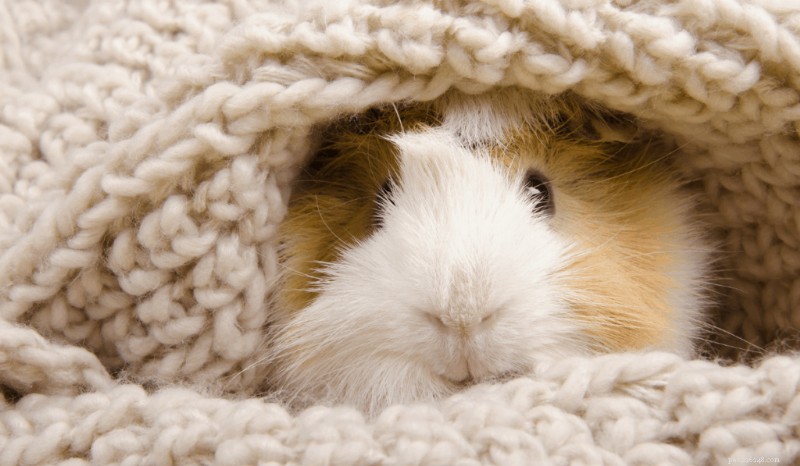
Guinea pigs are unique sleepers. Unlike many mammals that nap once or twice a day, these small rodents divide their rest into brief, frequent naps.
On average they sleep 4‑5 hours total, usually in 15‑30 minute bursts spread across day and night.
What do guinea pigs prefer to sleep on?
Comfort starts with bedding. Think of it in layers: a soft base, an absorbent middle, and a top that feels good to the paws.
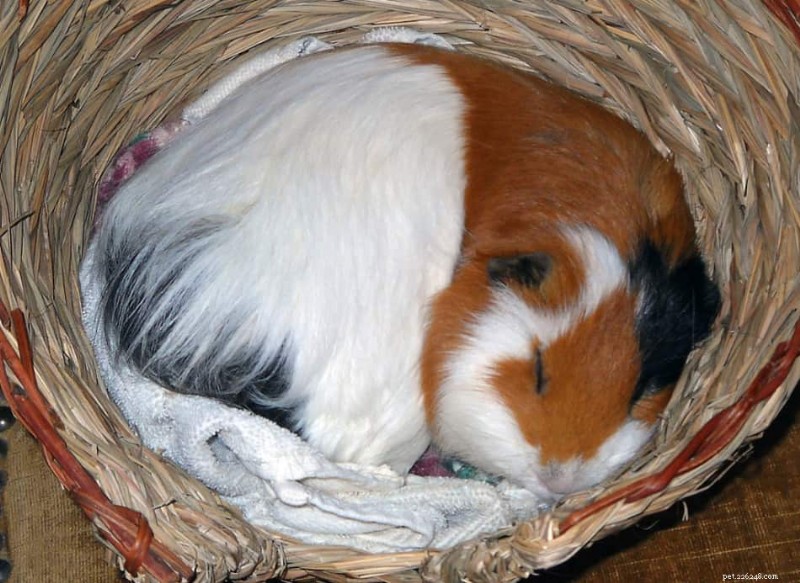
Soft materials like fleece or shredded newspaper make great tops—both are easy to clean and keep your guinea pig cozy. Avoid pine or cedar shavings, which can irritate their respiratory system.
How often should bedding be refreshed?
Check the bedding daily. Replace soiled portions immediately, and give the cage a full clean at least once a week. Some owners choose to change it more frequently for extra hygiene.
We recommend Kaytee Clean & Cozy Bedding (Lavender, 49.2 L)—it’s affordable, absorbs moisture well, and is widely available on Amazon.
How long do guinea pigs sleep?
They are nappers, not deep sleepers. While they do not stay awake for long periods, they also do not sleep in one continuous block. Expect short, 10‑minute naps scattered throughout.
Are guinea pigs nocturnal?
Guinea pigs are neither strictly diurnal nor nocturnal. Their short naps can happen at any time, so activity at night is normal—just a sign they’re ready for another quick rest.
How can I help my guinea pig sleep at night?
If the cage is in your bedroom and you’re bothered by late‑night activity, try feeding a small snack of fresh vegetables right before you head to bed. A satisfied stomach can reduce restlessness.
Do guinea pigs sleep more in winter?
Yes. As temperatures drop, they lengthen their naps to conserve energy and stay warm. They may appear sluggish, but they’re simply enjoying deeper rest.
Continue to monitor them closely to ensure they stay warm and healthy.
Ideal temperature for sleeping
Guinea pigs rest best in rooms around 65–75 °F (18–24 °C). Avoid placing cages near direct heat sources like windows, stoves, or fireplaces. A simple thermometer on the cage can help you keep the environment steady.
What’s too cold?
Below 65 °F can lead to discomfort and respiratory issues. If you suspect a cold, consult a vet.
Keeping them warm at night
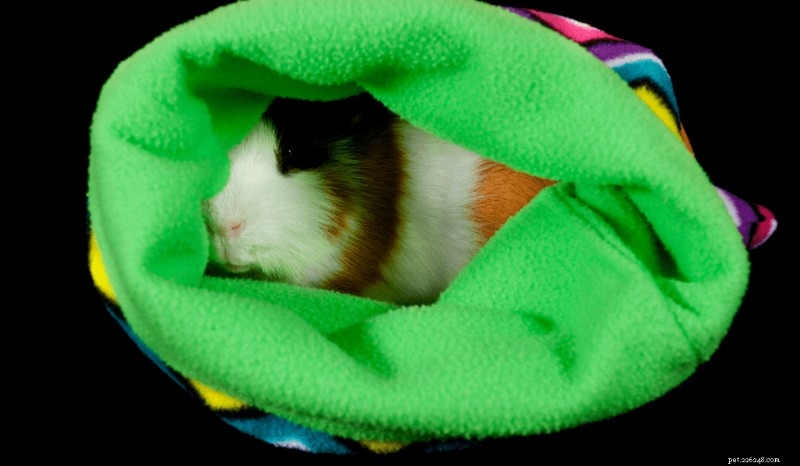
Winter nights call for extra warmth. Add a cozy hideout or a small condo inside the cage. Heat pads designed for guinea pigs are also an option—reheat them in the microwave and place them within the bedding layers.
Why is my guinea pig sleeping a lot?
Excessive sleep can signal health problems. Verify that temperatures are within range and that food and water are adequate. If the behavior persists, seek veterinary care.
Guinea Pig Bedding & Fleeces
Explore top‑rated options: EXPAWLORER fleece liners, Spring Fever soft blankets, Niteangel cave beds, BWOGUE reusable pads, and Kaytee Clean & Cozy. Each offers a safe, absorbent base.
Final thoughts
Proper sleep is a cornerstone of guinea pig wellness. By providing the right bedding, temperature, and environment, you’ll help your pet stay healthy, active, and content.
- Why Dogs Should Never Chew on Chicken Bones
- How Mother Dogs Transport Their Puppies: A Guide to Canine Parenting
- Mastering Reliable Recall: Proven Techniques to Teach Your Dog to Respond Instantly
- Top 10 Animal Shelter Insights: Canada’s 2022 Statistics & Key Facts
- 9 Fascinating Facts About the Elegant Abyssinian Cat
- How to Spot Ear Mites in Dogs: 6 Key Signs
- Understanding Why Dogs Bite Each Other: Signs, Causes, and Solutions