

Choosing the Best Transport for Your Guinea Pig: Carrier vs. Cardboard Box
Carrier vs. Cardboard Box
When taking your guinea pig to the veterinarian, a high‑quality carrier is the safest and most comfortable choice. While a cardboard box can serve as a quick emergency solution, it falls short in security, ventilation, durability, and chew resistance.
Cardboard Box
- Requires a very tall box to prevent climbing, which makes handling cumbersome.
- Cardboard is not waterproof; you must line the bottom with towels to avoid sogginess from urine or accidental spills.
- Guinea pigs are natural chewers; a cardboard enclosure can be damaged or escaped from easily.
- Ventilation is limited, increasing the risk of overheating in warm weather.
Carrier
Midwest Spree Carrier is a prime example of a sturdy, chew‑proof carrier made from hard plastic or metal. Its tight bars and secure latch prevent escape, while built‑in ventilation keeps your pet comfortable. Handleable straps and a lid make it ideal for car travel.
When choosing a carrier, look for:
- Chew‑proof construction.
- Fine‑mesh or ventilated panels.
- A reliable locking mechanism.
- Comfortable handles for easy transport.
Transport Options: Car vs. Public Transit
Car
Driving offers the most environmental control. Guinea pigs are sensitive to temperature extremes; a car’s air conditioning or heating allows you to maintain a stable 65–75°F, reducing the risk of heatstroke or chill. Cars also provide a quiet, direct route, minimizing stress and ensuring a quicker arrival in emergencies.
Public Transit
When unavoidable, use public transit only as a last resort. Variable temperatures and frequent stops can be unsettling for a guinea pig. If you must travel by bus, consider a private taxi to limit noise and motion.
Preparing Your Carrier for Comfort
Temperature
Maintain a stable 65–75°F inside the carrier. For hot days, add a cool pack or increase airflow; for cooler weather, provide extra bedding or a fleece blanket.
Food and Water
Place a small bowl of fresh water in a steel ball bottle and include a few dry treats—such as pellets or seed mix—to keep your guinea pig calm and nourished.
Bedding
Fill the carrier with absorbent bedding (e.g., paper or aspen shavings) to cushion your pet and soak up any moisture.
Familiar Scent
Add a blanket or toy from the home cage, or a piece of clothing with your scent, to reduce anxiety.
Companion
If your guinea pig is healthy and free of contagious disease, a second guinea pig can provide companionship and reduce stress during the trip.
Recommended Carriers
Below are a selection of carriers suitable for guinea pigs, complete with images and brief descriptions.
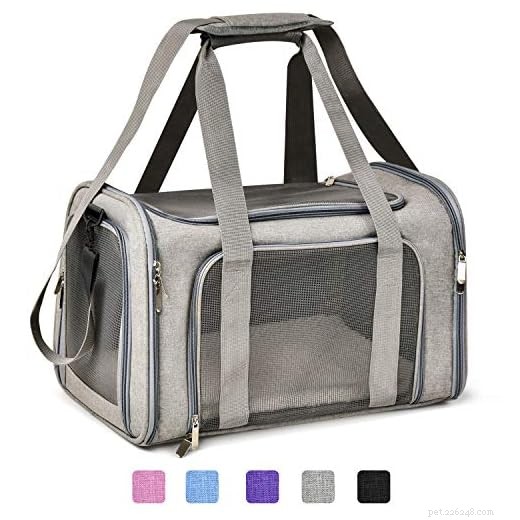
Henkelion Cat Carriers – TSA‑approved, soft‑sided, suitable for small pets up to 15 lbs.
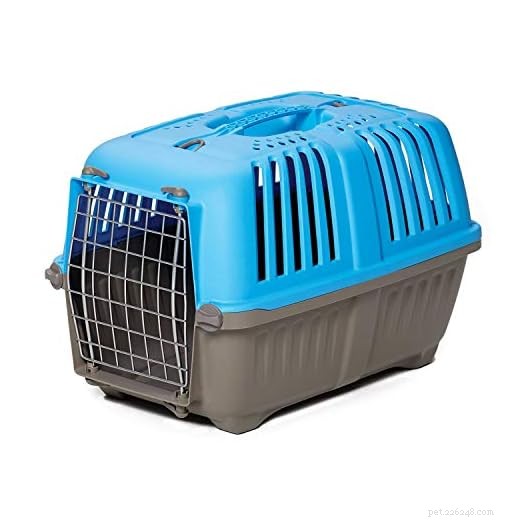
Pet Carrier – Hard‑sided, 17.91L x 11.5W x 12H, ideal for small dogs and guinea pigs.
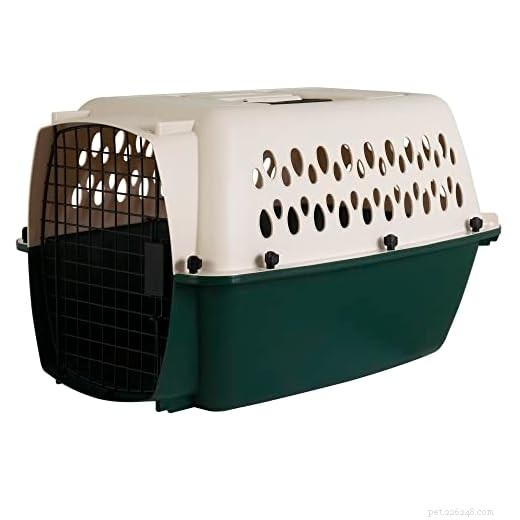
Petmate 21793 Ruffmaxx Travel Carrier – 26” with 360° ventilation, perfect for outdoor trips.
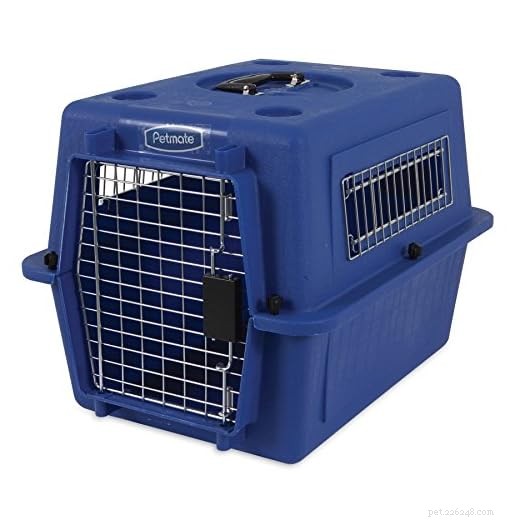
Petmate Vari Kennel – 15 lbs capacity, true blue.
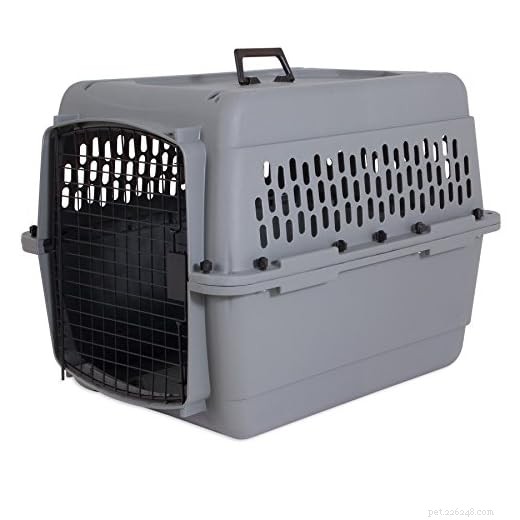
Aspen Pet Traditional Kennel – 28”, fits pets 20–30 lbs.
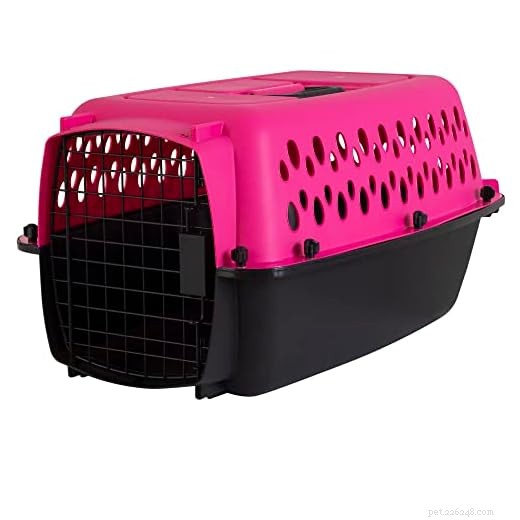
Petmate 21088 Pet Taxi Fashion – 23”, dark pink/black.
Final Thoughts
While veterinary visits are never fun, a well‑chosen carrier transforms the experience into a calm, secure journey. By prioritizing safety, temperature control, and familiar comforts, you can reduce stress for both you and your guinea pig.
- Spayed Female Dog Urinary Incontinence: Expert Advice & Reader-Submitted Natural Treatment Ideas
- The Surprising Shed: How Much Fur You'll Lose From a Samoyed During Coat Blow‑Off
- Everything You Need to Know About Ragdoll Cats
- Aquarium Fish Names Starting with C: Common & Scientific Titles
- How to Train a Seizure-Alert Dog: Expert Training & Safety Guidelines
- Boost Your Senior Dog’s Health & Longevity: 7 Proven Tips
- Understanding Rough Collie Temperament: Debunking Aggression Myths