

Do Guinea Pigs Shed? Expert Guide to Reducing Shedding and Keeping Your Pet Healthy
Guinea pigs are beloved companions, known for their charming faces and plush coats. While every guinea pig sheds a natural amount of fur, excessive shedding can signal health issues or inadequate grooming.
In this guide we cover what causes shedding, which breeds shed more, and how you can keep your pet’s coat healthy and your home free of stray hair.
Shedding Overview
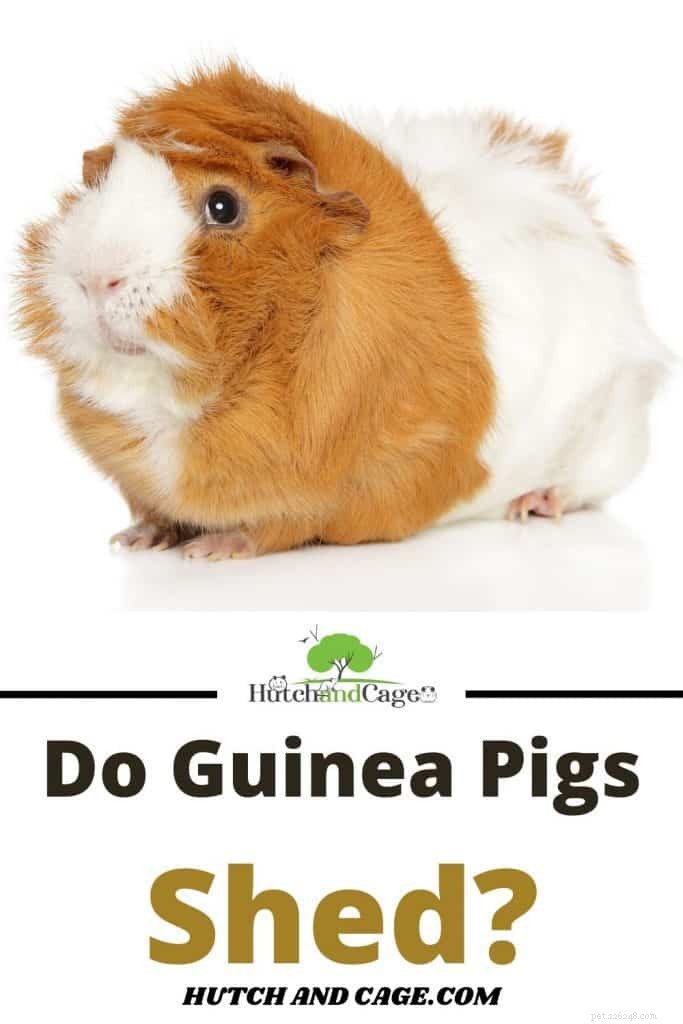
All guinea pigs shed as part of the natural hair growth cycle. The amount varies by breed, age, and health. Long‑haired varieties tend to shed more because their coats can become tangled and require more frequent maintenance.
Breeds That Shed More
Long‑haired breeds such as Peruvian, Silkie, Abyssinian, and Texel produce luxurious coats that can knot and accumulate dirt if neglected. Daily or every‑other‑day brushing is essential to prevent matting and reduce shedding.
Grooming Tips for Short‑Haired Guinea Pigs
Short‑haired breeds need less brushing, but a weekly gentle brush can still remove loose hairs and keep the skin healthy. Use a soft brush and avoid pulling on the fur.
Trimming Long‑Haired Guinea Pigs
Long‑haired guinea pigs should be trimmed every 2–3 weeks. Use a comb and clean scissors, cutting only the hair that reaches the floor. Pay extra attention to the hindquarters where matting is common.
Health Indicators of Excessive Shedding
While normal shedding is expected, sudden or heavy hair loss can indicate:
- Ringworm – characterized by bald patches and flaky skin.
- Mites – cause itching, crusty skin, and hair loss.
- Barbering – self‑shedding or hair removal by other guinea pigs.
Any of these conditions warrants a vet visit for proper diagnosis and treatment.
Nutrition for a Healthy Coat
Protein and vitamin C are critical for fur quality. Guinea pigs cannot synthesize vitamin C, so they require it in their diet. Aim for 90 mg of vitamin C per day, achievable through:
- Fresh fruits and vegetables (e.g., bell pepper, kale, tomato).
- High‑protein pellets.
- Vitamin C‑rich greens like dandelion.
Sample nutrient table (per serving):
| Food | Vitamin C (mg) | Protein (g) | Fiber (g) |
|---|---|---|---|
| Tomato (medium) | 11.4 | 0.9 | 1.5 |
| Dandelion greens (1 cup raw) | 19.3 | 1.5 | 1.9 |
| Kale (1 cup raw) | 80 | 2.9 | 2.6 |
| Bell pepper | 109.1 | 0.9 | 0.7 |
Remember to offer only a guinea‑pig‑sized portion of any human food.
Cage Maintenance
Regular cleaning prevents hair buildup and promotes hygiene:
- Spot‑clean daily to remove droppings and food.
- Deep‑clean 3–4 times a week: replace bedding and wipe the cage with vinegar or a pet‑safe cleaner.
- Avoid harsh chemicals that can irritate the skin.
Using a Blanket to Capture Shedding
Placing a lightweight blanket over furniture or bedding can catch stray hairs. Rabbit fleeces and Luciphia blankets are popular, easy‑to‑clean options.
Product Recommendations
Here are some tools that can help keep your guinea pig’s coat in top shape:
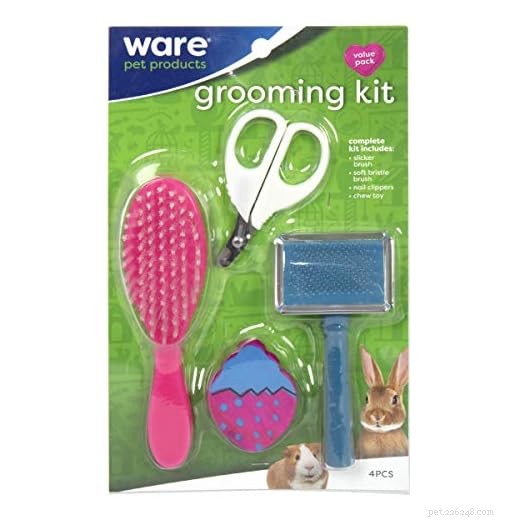
Ware Manufacturing Small Animal Grooming Kit
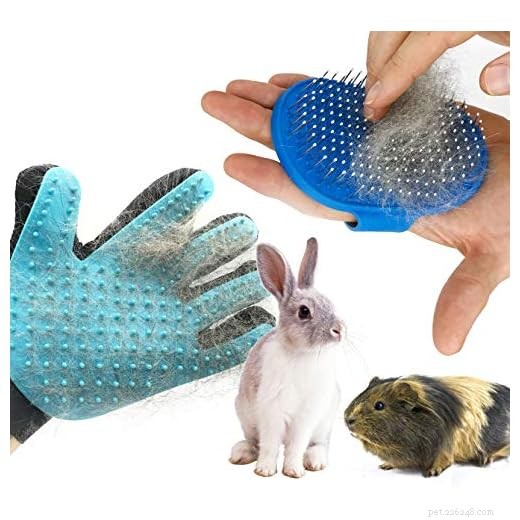
Dasksha Rabbit Grooming Kit – includes brush and remover for rabbit and guinea pig fur.
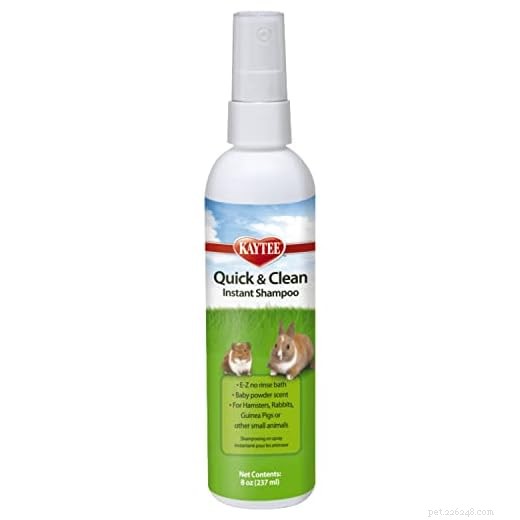
Kaytee Quick & Clean Critter Dry Shampoo, 8‑Ounce
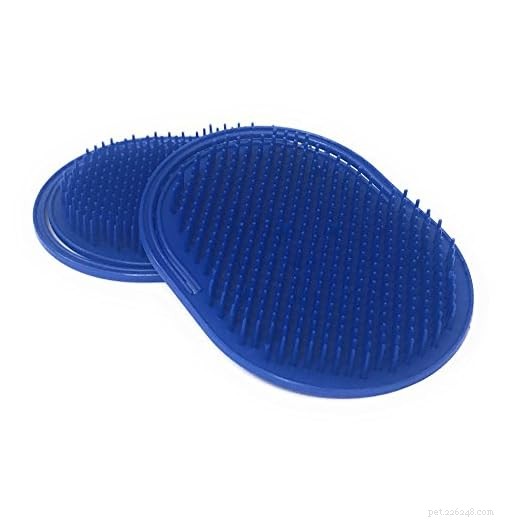
GBS Pet Brush – slicker brush for hair removal and scalp massage.
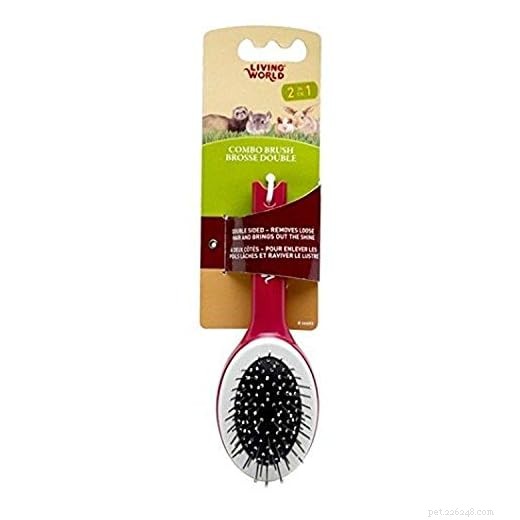
Living World Animal Combo Brush – small animal grooming set.
Amazon price updated: June 10, 2026 07:42
Final Thoughts
Guinea pigs do shed, but with routine grooming, proper nutrition, and attentive health care you can keep shedding to a minimum. A well‑maintained coat not only looks great but also signals a healthy, happy pet.
- Lakeland Terrier Puppies: Origin, Care, and Development Stages
- Nutritious Coconut & Cranberry Dog Treats – Boost Health & Immunity
- Why Dogs Sleep After Meals: The Science Behind Post‑Meal Naps
- Identifying Anger in Dogs: Signs Your Canine is Upset
- Mastering Dog Recall: Proven Techniques for Reliable Come-When-Called Training
- Benefits of Fish Oil for Dogs: A Vet-Approved Guide
- Join the FreshFit Challenge: Walk 200,000 Miles to Combat Pet Obesity