

Do Guinea Pigs Eat Meat? Essential Facts & Health Risks
In short, guinea pigs do not eat meat. They are obligate herbivores, meaning their digestive system is tuned exclusively to plant material. Introducing meat can lead to serious gastrointestinal distress, including blockages and severe illness.
Below, we outline the facts about their natural diet, the risks of inappropriate foods, and the safest feeding options to keep your pet healthy.
What Do Guinea Pigs Eat in the Wild?
In the wild, guinea pigs live in herds and spend most of their time foraging underground burrows. Their diet is simple and consistent: grasses, hay, and a variety of leafy greens. They rarely encounter meat, and their stomachs lack the enzymes required to digest animal protein.
Why Meat Is Dangerous for Guinea Pigs
Because guinea pigs are obligate herbivores, their gastrointestinal tract is too short to break down meat. Consuming even small amounts of animal protein can trigger:
- Acute gastric upset and diarrhea
- Potential intestinal blockages that may require veterinary intervention
- Long‑term health complications from improper digestion
Veterinarians advise keeping all forms of meat—beef, poultry, fish—well out of reach.
Foods That Are Poisonous or Harmful
Besides meat, several common foods can be toxic to guinea pigs:
- Dairy – can cause severe upset and diarrhea.
- Avocado – high fat and the pit/skin are toxic.
- Iceberg lettuce – offers little nutrition and can cause loose stools.
- Onion, leek, chive – may induce a fatal blood disorder.

Essential Dietary Requirements
To thrive, guinea pigs need:
- High fiber to support their unique digestive tract.
- Unlimited access to fresh, clean water.
- Daily vitamin C from fresh fruits and greens, as they cannot synthesize it.
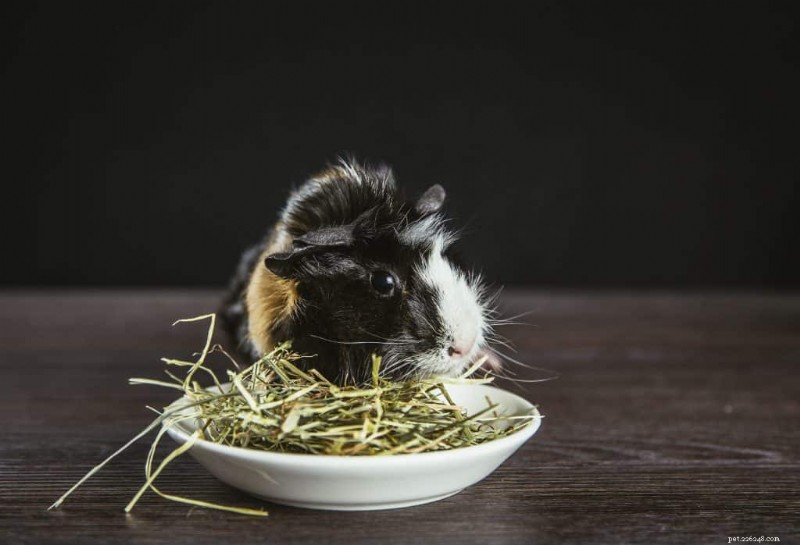
Hay: The Backbone of Their Diet
Choose hay that offers the right balance of fiber, protein, and calcium. The table below summarizes common types.
| Hay Variety | Protein | Fiber | Calcium |
|---|---|---|---|
| Timothy | 8 % | 32 % | 0.4 % |
| Alfalfa | 17‑20 % | 38 % | 1.2 % |
| Clover | 14‑16 % | 24.8 % | 1.1 % |
Timothy Hay
High in fiber, low in calories and calcium, Timothy is ideal for adults and does not promote obesity or urinary stones.
Alfalfa Hay
Rich in protein but also high in calcium. Best used sparingly as a treat for younger animals or during growth spurts.
Clover Hay
Contains 24 % fiber and a moderate calcium level. Use in moderation, especially if your guinea pig is already receiving high‑calcium foods.
Pellets: A Balanced Supplement
High‑quality pellets are fortified with vitamin C, protein, and fiber, making them a convenient way to round out your guinea pig’s diet. They also provide a chewable texture that helps keep teeth at healthy lengths.
Fresh Greens
Offer a variety of leafy greens—such as romaine lettuce, dandelion greens, and Swiss chard—making sure they are pesticide‑free and non‑toxic.
Recommended Products
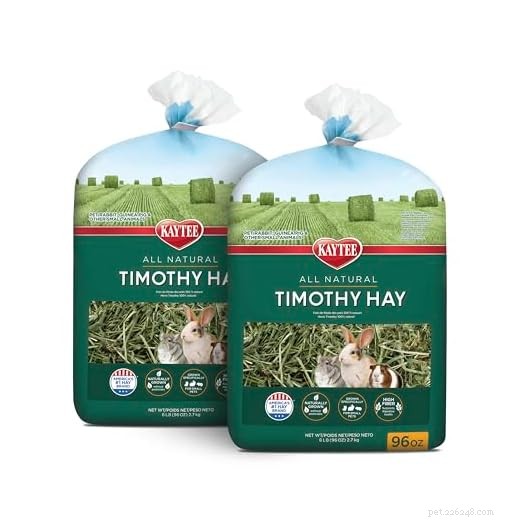
Kaytee Timothy Hay – 12 lb
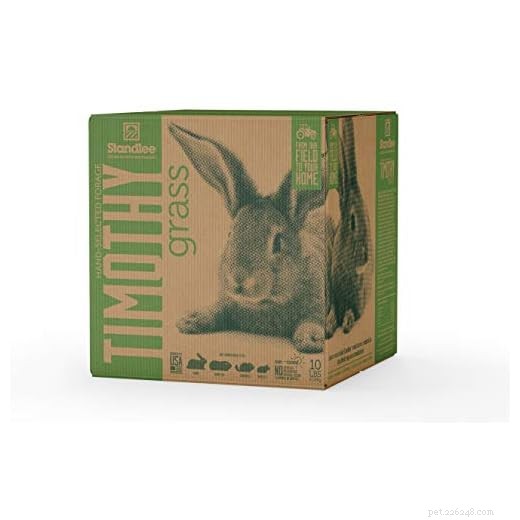
Standlee Premium Western Forage Timothy Grass – 10 lb box
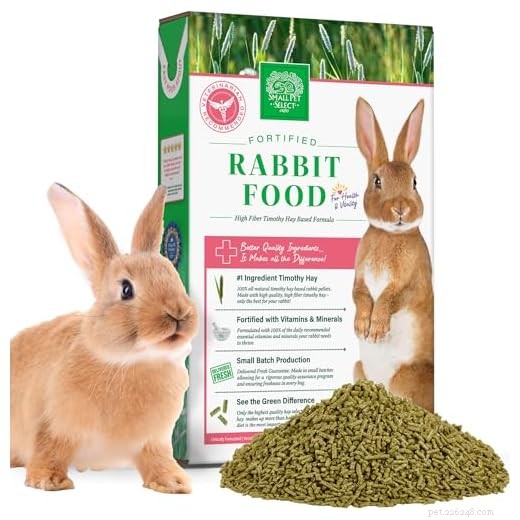
Small Pet Select Rabbit Food Pellets – 10 lb
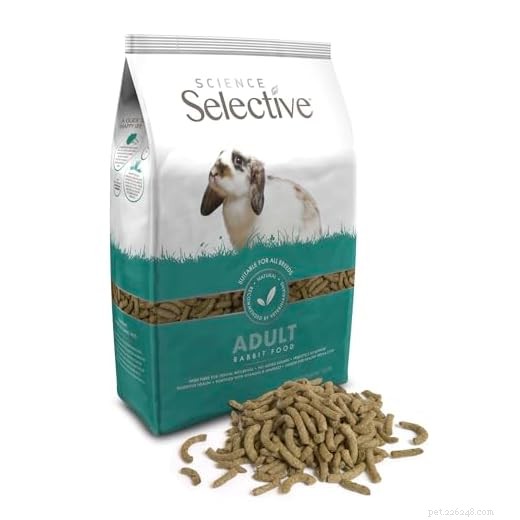
Supreme Science Selective Adult Rabbit Food – 4 lb
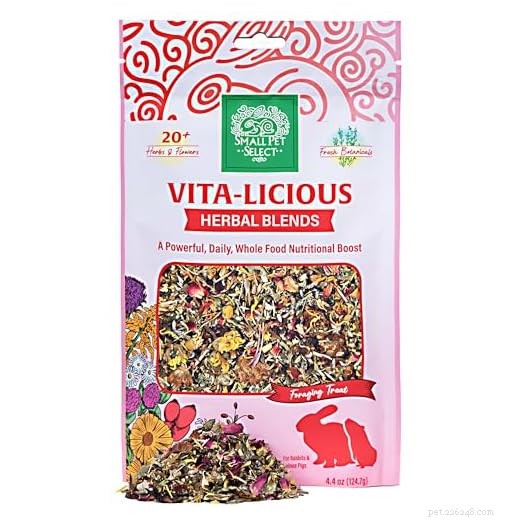
Vita‑Licious Essentials – Natural Herbal Treats for Rabbits & Guinea Pigs
Amazon price updated: June 9, 2026 22:42
Vitamin‑C‑Rich Fruits and Veggies
Fresh produce offers essential vitamin C. The chart below lists some of the best options for your guinea pig.
| Fruit or Veggie | Vitamin C (mg) | Fiber (g) |
|---|---|---|
| Medium apple | 8.4 | 4.4 |
| Medium strawberry | 7.1 | 0.2 |
| Green bell pepper | 95.7 | 2.0 |
| Tomato | 14 | 1.5 |
| Spinach | 28 | 1.0 |
Final Thoughts
Meat is not part of a guinea pig’s diet and poses serious health risks. By focusing on high‑fiber hay, vitamin‑C‑rich fruits and greens, and fortified pellets, you can provide a balanced, species‑appropriate meal that supports long‑term health.
For more expert guidance, consult a small‑animal veterinarian or reference the American Veterinary Medical Association’s nutrition guidelines.
- Master Smartphone Pet Photography: 5 Proven Tips for Stunning Shots
- 15 Adorable Teacup Dog Breeds That’ll Fit Your Life
- When You're Upset, Your Dog Is Ready to Help
- Top 5 Reasons Your Cat Is Constantly Meowing – What You Need to Know
- 9 Evidence‑Backed Treatments for Kennel Cough in Dogs
- Immediate Care for a Cat Injured by a Fishhook: Step‑by‑Step Guide
- Seeing Blood in Your Cat’s Stool: Causes, Symptoms, and Immediate Steps to Take