

10 Fascinating Guinea Pig Facts & 5 Bonus Insights
Guinea pigs are one of the most beloved household pets, prized for their silky coats and spirited personalities.
Below you’ll find ten engaging facts that illustrate why these rodents are such treasured companions.
Guinea pigs are remarkably sociable. They love to explore, sprint around their enclosure, and actively engage with their owners.
These small mammals adapt quickly to new environments, making them ideal for families with children. Younger children should be taught gentle handling to ensure a positive experience.
10. The Origin of Their Name
While the name “guinea pig” may seem misleading—these creatures are neither pigs nor native to New Guinea—the term dates back to the 1600s. It is thought to derive either from the squeaking noises they make or from the price of one guinea in England at the time, which was one guinea (a coin worth 21 shillings).
9. Where They Come From

Guinea pigs originated in the Andes of South America. The Incas domesticated them over 3,000 years ago, both as a food source and as pets. Spanish explorers brought them to Europe in the 1600s, where they quickly became fashionable among Elizabethan aristocracy.
8. Their Skeletal System
Despite their modest size, guinea pigs possess 258 bones: 34 in the spine, 43 in each forelimb, and 36 in each hindlimb, with the remainder in the skull, ribs, and sternum.
7. Coprophagy – Eating Their Own Poo
Guinea pigs naturally practice coprophagy, consuming the soft, nutrient-rich portion of their droppings (cocci) to reabsorb vitamins B and essential amino acids. They do not eat the harder waste that accumulates in the cage.
6. Early Sexual Maturity
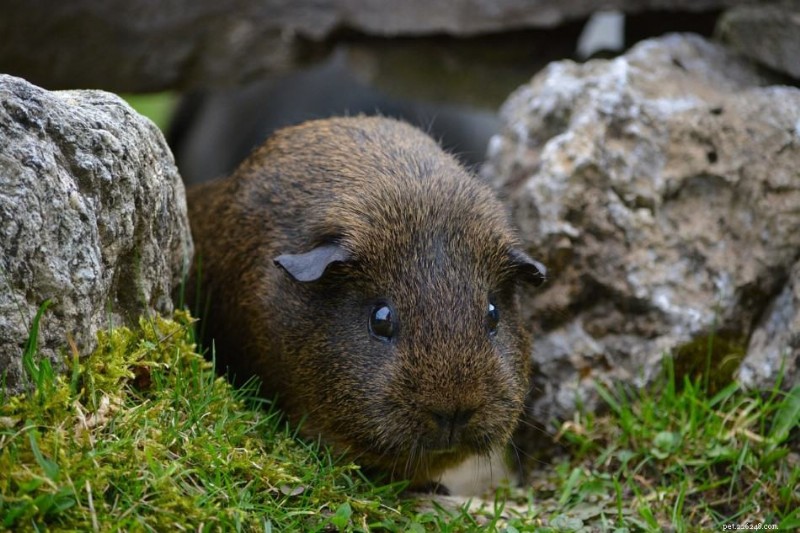
These rodents reach sexual maturity in as little as three weeks. However, breeding poses serious health risks, including pregnancy ketosis and dystocia. Sows should be less than seven months old for their first pregnancy to reduce complications.
5. Record‑Holding Longevity
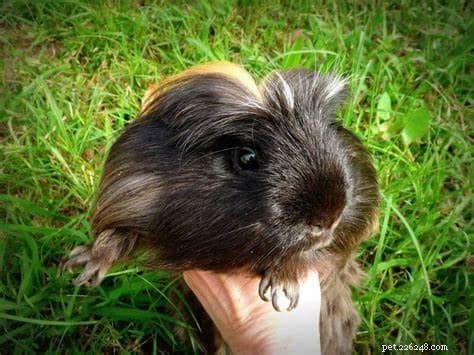
While the typical lifespan is 4–6 years, the record‑holding guinea pig, Snowball, lived 14 years and 10.5 months, a feat recognized by the Guinness World Records.
4. Diverse Coat Types
Guinea pigs display five distinct coat textures, from silky to wire‑hair. One rare breed, the “skinny pig,” is largely furless, offering a unique look but less of the classic cuddly feel.
3. Space Exploration
In 1961, the Soviet spacecraft Sputnik 9 carried two guinea pigs, along with a dog, mice, and reptiles, to orbit Earth. All animals returned safely, marking the first successful use of guinea pigs in spaceflight.
2. Their Unique Vocal Language
Guinea pigs communicate through a spectrum of sounds: purrs (contentment or male courtship), rumbling (dominance or fear), whining (in pursuit), chattering (warning), chirping (feeding cues or stress), squealing (pain or danger), and wheeking (excitement or location). Understanding these vocalizations can deepen the bond between owner and pet.
- Purring – Contentment or male courtship.
- Rumbling – Dominance, fear, or tension.
- Whining – During pursuit.
- Chattering – Warning or discomfort.
- Chirping – Hunger cue or stress.
- Squealing – Pain or imminent danger.
- Wheeking – Excitement or locating peers.
1. The Largest Ever
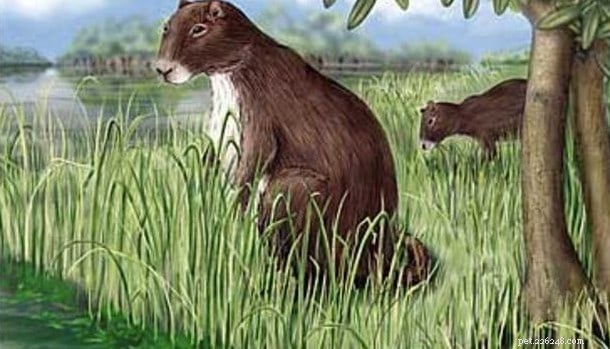
The extinct Phoberomys pattersoni weighed about 700 kg and measured 3 m long, making it the largest known rodent from the ancient Orinoco delta (Northwestern Venezuela). Today’s largest domesticated guinea pig, recorded by Guinness World Records, weighed 27 lb.
Bonus Facts
- Longest Jump: Truffles in the UK leapt 48 cm.
- Fastest Run: Flash in London covered 10 m in 8.81 s (July 2009).
- Oldest Pet: Snowball lived 14 y 10.5 mo.
- Teeth: 20 continuously growing incisors.
- Toes: Four on the forepaws, three on the hindpaws.
Are Guinea Pigs Fast?
When given space, guinea pigs can run up to 6 mph—twice the average human walking speed.
Do Guinea Pigs Have an Odd Number of Toes?
Yes, they have four toes on each front foot and only three on each back foot.
What Are Guinea Pig Babies Called?
They are called pups, not piglets.
What Are Cavies?
‘Cavy’ is simply the singular or plural of guinea pig (Cavia porcellus). It’s an alternative name used in veterinary and scientific contexts.
Conclusion
These facts highlight why guinea pigs make such engaging and affectionate companions. Providing a spacious enclosure, plenty of enrichment, and proper nutrition will ensure your pet thrives. Before adopting, research thoroughly to meet your guinea pig’s needs and to foster a lifelong, rewarding relationship.
- Are Meerkats Suitable Pets? Legalities, Care, and Why They're Not Ideal
- Keep Your Rabbit Cage Odor‑Free: Proven Cleaning Tips
- Are Prunes Safe for Dogs? Expert Guide to Feeding Prunes to Your Canine
- Dog Hot Spots Explained: Causes, Symptoms & Rapid Treatment
- 350+ Adorable Dog Names for Tiny, Squishy, and Lovable Pups
- Preventing and Treating Torn Claws in Kittens: A Vet's Guide
- The Ultimate Puppy‑Raising Guide: Expert Tips & Proven Strategies