

Why Guinea Pigs Fight — 5 Expert-Backed Strategies to End the Conflict
Guinea pigs are naturally social rodents that thrive in group settings. In the wild, they move in herds, forming bonds and establishing a gentle hierarchy. Yet, even these calm creatures can clash when conditions become unfavorable.
Why do guinea pigs fight? Understanding the root causes is essential for preventing injuries and ensuring a harmonious environment for all your pets.
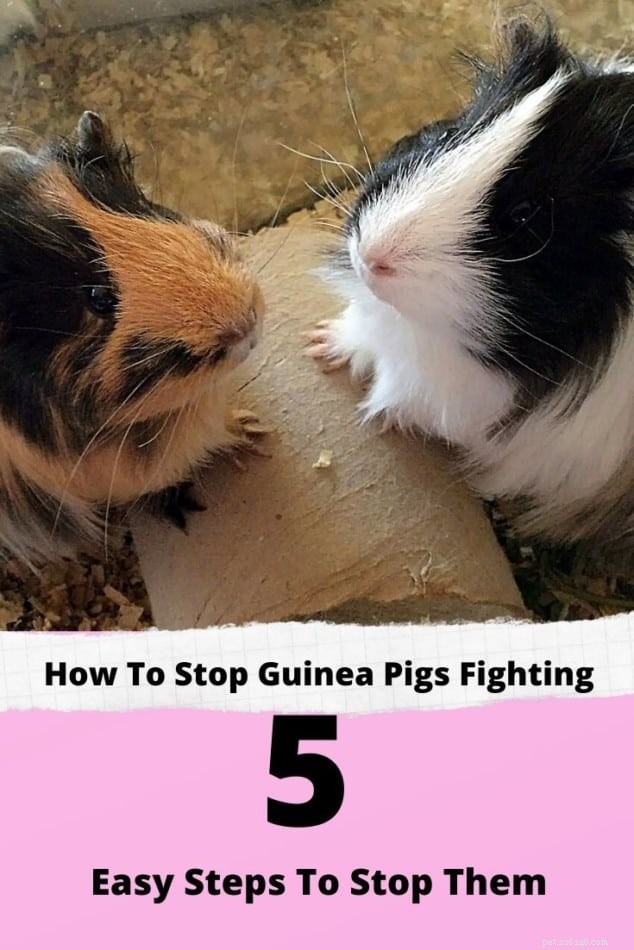
When a guinea pig sees another as a threat, it may attack and bite aggressively. In most cases, the conflict can be resolved with simple adjustments, but sometimes permanent separation is the safest option. Five common triggers are illness, improper pairing, cramped housing, mating urges, and boredom.
Before labeling an altercation as a fight, observe the animals over time. Guinea pigs often display dominance behaviors that serve to establish a social order. These interactions can be mistaken for aggression.
Distinguishing Normal Dominance from True Conflict
Dominance displays usually involve posturing, brief chases, and vocalizations. The animal that backs down often does so gracefully, restoring harmony. However, when the interaction escalates—rearing on haunches, pronounced hackles, intense chattering, and hard bites—true aggression has begun.
Rapid escalation is a red flag. In such cases, prompt intervention is necessary to prevent serious injury.
Below, we outline five primary reasons for fighting and five practical steps to mitigate the problem.
1. Illness or Injury
Sudden changes in temperament may signal underlying health issues. A guinea pig that feels unwell can become skittish or irritable, increasing the likelihood of conflict.
While you can look for obvious signs—such as limping, swollen areas, or changes in appetite—a veterinarian’s evaluation remains the most reliable diagnostic tool.
Maintaining impeccable hygiene is vital: change bedding every 1–2 days, sanitize the enclosure weekly, and remove uneaten food promptly to prevent mold and bacterial growth.
A specialized sandbath using rodent-safe bathing sand can help keep your guinea pigs clean and reduce irritation. Position the bath away from the litter box to avoid confusion.
2. Improper Pairing – Sex
Gender compatibility is key. A mixed-sex group (two males and one female) invites competition and mating attempts, often leaving the female in the crossfire.
Same-sex pairs—two or three males or females—tend to coexist peacefully without the need for invasive spaying or neutering. However, compatibility still depends on individual temperament.
3. Improper Pairing – Personality
Guinea pigs exhibit either dominant or submissive traits. Pairing a dominant individual with a submissive one creates a stable dynamic; the reverse can trigger continuous dominance struggles.
When choosing a new companion, observe their interactions. A young, gentle guinea pig often defers to an older, more assertive counterpart, fostering harmony.
Even the best-matched pair can experience occasional challenges—especially if a younger animal grows more assertive. Monitoring ensures that these contests remain harmless.
To avoid breeding complications, keep mixed-sex pairs separate unless you intend to reproduce, and never introduce a pregnant female into a group.
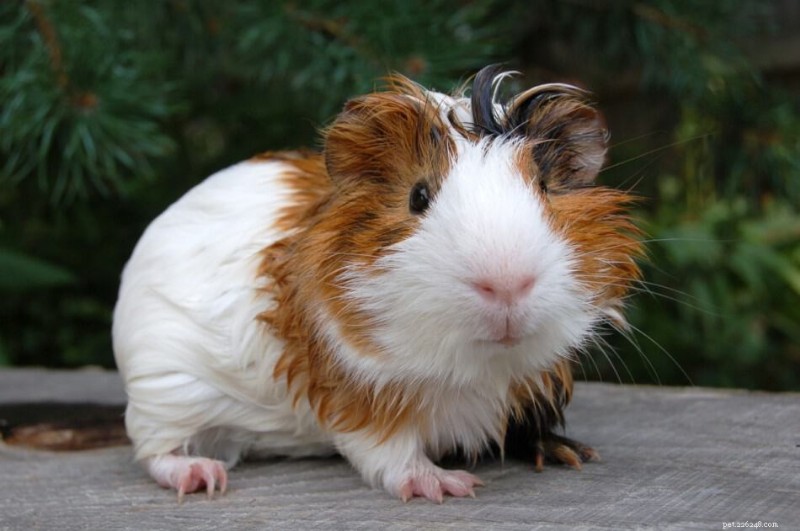 Fact: Most cages sold in pet stores are too small for guinea pigs!
4. Insufficient Space
In the wild, guinea pigs roam freely. A cramped enclosure breeds frustration and aggression.
Two guinea pigs require a minimum of 7.5 square feet; a more generous 10.5 square feet is recommended. Vertical space—such as walkways and low tunnels—expands their habitat without increasing floor area.
Provide hideouts—cylindrical shelters made from butter containers, cardboard, or ceramic—so each guinea pig has a private retreat. Ceramic options are durable and less prone to contamination.
If space is limited, a transparent divider can allow visual and olfactory contact while preventing physical contact.
5. Boredom and Lack of Stimulation
When guinea pigs lack mental and physical stimulation, they become restless and irritable, making them more likely to lash out.
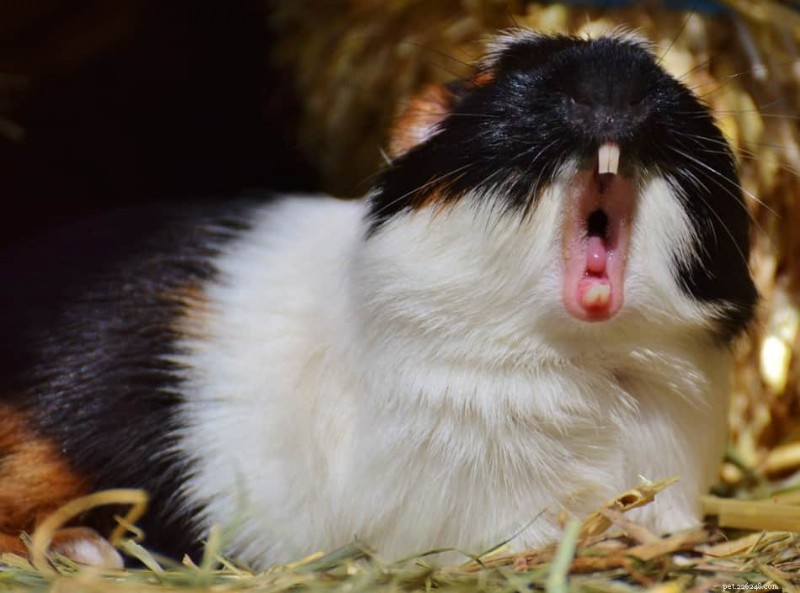 Yawning Guinea Pig
Introduce chew toys such as aspen wood sticks or hay‑stuffed socks to satisfy natural gnawing instincts. Cardboard tunnels, huts, and tug‑treats encourage exploration and play.
Outdoor exploration—guinea pig‑proofed and safe—provides fresh air and exercise, further reducing stress.
Our Guinea Pig Boredom Buster article offers additional enrichment ideas.
5a. Recommended Toys to Prevent Boredom
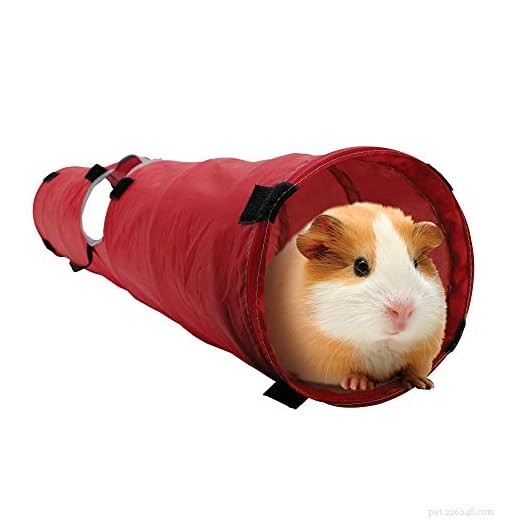
Living World Pet Tunnel, Red/Grey
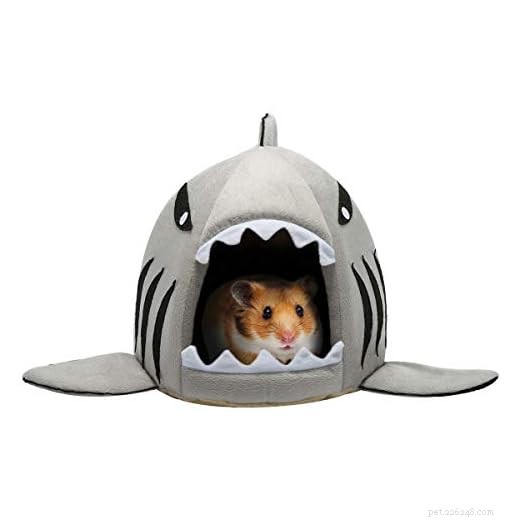
Hollypet Warm Small Pet Animals Bed Dutch Pig Hamster Cotton Nest Hedgehog Rat Chinchilla Guinea Habitat Mini House, Gray Shark
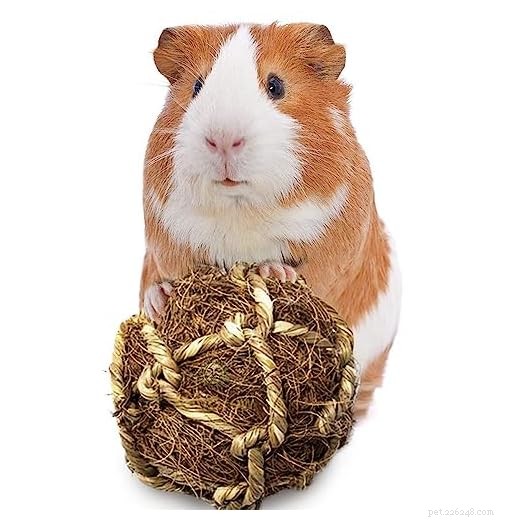
SunGrow Rabbit Teeth Floss Ball, Coco Fiber Chew Toy, Improves Dental Health, Provides Stimulation, Bond with Your pet Playing Catch, Tug of War, Fetch…
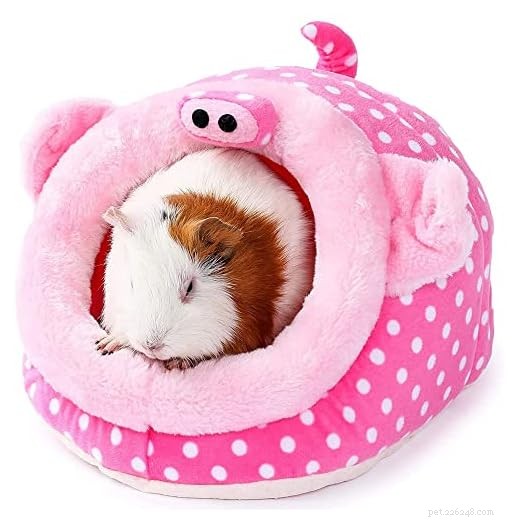
JanYoo Animal Bed Guinea Pig Accessories Cage Habitat Toy Hideout House Washable

JEMPET Hamster Chew Toys, Natural Wooden Pine Guinea Pigs Rats Chinchillas Toys Accessories, Dumbbells Exercise Ball Roller Teeth Care Molar Toy for Birds…
Amazon price updated: June 10, 2026 06:42
How to Intervene During a Serious Fight
When aggression is evident—bites that hurt, repeated lunging, or sustained threats—step in immediately. Wear thick gloves or wrap a towel around your hands to protect yourself.
Use a lightweight blanket to gently calm the animals, then separate them into distinct, sound‑proof areas to allow them to recover without ongoing stress.
Frequently Asked Questions
- Can guinea pigs kill each other? Adult guinea pigs may kill a smaller, vulnerable companion if they feel threatened.
- Do guinea pigs play fight? They do engage in play-like interactions, but most conflicts are brief and self‑limiting.
- What’s the best way to prevent fights? Provide ample resources—two water bottles, toys, hides, and tunnels—to reduce competition.
- How long does dominance last? Dominance displays typically subside after 2–3 days; if conflict persists beyond 30 days, separation may be necessary.
Conclusion
While guinea pigs are generally amiable, various factors—health issues, improper pairing, limited space, or boredom—can trigger aggression. Identifying the root cause and acting swiftly prevents injuries and restores peace.
By applying these evidence‑based strategies, you can create a safe, enriching environment where your guinea pigs thrive together.
- Meet Amos Moses: Featured Ragdoll of the Week
- Master Dog Training: Basic Commands, Fun Tricks, and Expert Tips
- Four Remarkable Super-Senses Passed Down to Modern Cats
- 5 Trusted Home Remedies to Calm Your Dog’s Vomiting
- Why Do Cats Bite? Understanding and Resolving Cat Biting Behavior
- Master Time Management: How to Fit Dog Training Into a Busy Schedule
- Train Your Dog to Be Independent: Effective Techniques to Reduce Clinginess and Separation Anxiety