

Himalayan Guinea Pig Care Guide: Diet, Housing, Socialization & Health Tips
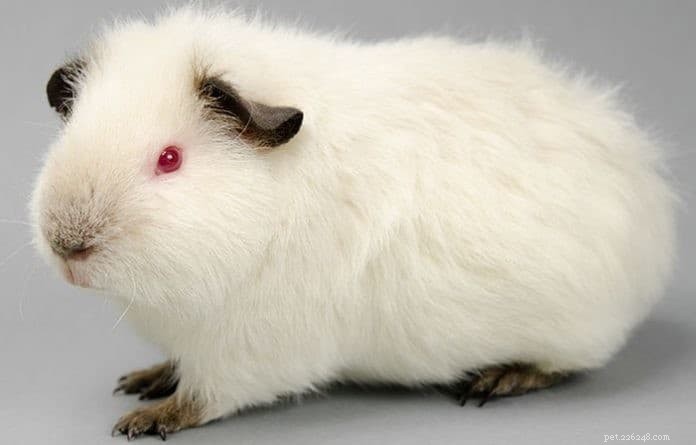
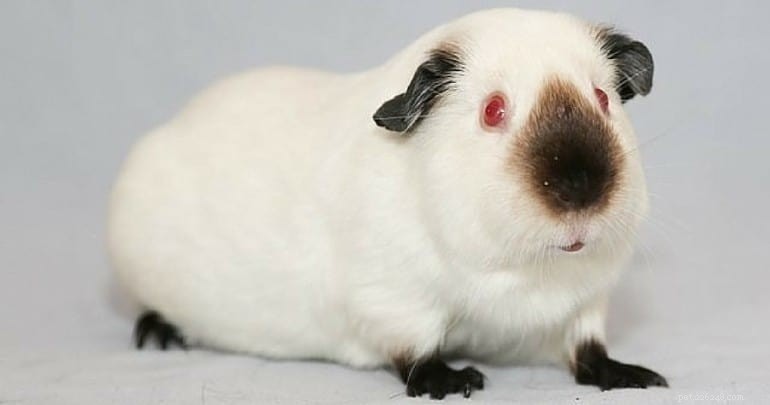
The Himalayan guinea pig is a striking albino variety distinguished by its white coat and dark “point” markings around the eyes, paws, and nose that develop as it ages—much like the Siamese cat’s color pattern.
Himalayan Guinea Pigs Thrive on Social Interaction
As herd animals by nature, Himalayan guinea pigs flourish when surrounded by companions—both their own species and human caretakers. They are sociable, affectionate, and eager to bond with calm, gentle adults and older children.
When comfortable, they display friendly behaviors, making them excellent pets for families who value companionship.
Protect Your Albino Companion from Sun Exposure
Albino animals are sensitive to direct sunlight, which can cause sunburn, eye irritation, and general discomfort. Himalayan guinea pigs exposed to excessive light may experience fading of their point colors—a sign of stress or illness, especially if not elderly.
Keep the enclosure in a shaded area and avoid prolonged outdoor exposure to safeguard their skin and eyesight.
With optimal care, Himalayan guinea pigs typically live 5–7 years, though individual health can vary.
Origin and Popularity
Despite its name, the Himalayan guinea pig originates from South America, not the Himalayan region. Introduced to Europe centuries ago and later to North America, their albino appearance and gentle nature quickly made them a popular choice among pet owners.
Recognizing Emotional Cues
These guinea pigs communicate through vocalizations and body language. A wary animal may click its teeth, while an upset one might squeak or grumble. A happy companion emits a characteristic “whee‑k” and may “pop‑corn”—a playful leap—especially during treat time.
Choosing a Spacious and Secure Cage
Key factors: material, floor area, and bar spacing. Guinea pigs are avid chewers, so a cage made of durable, bite‑resistant plastic or metal is essential. Aim for at least 7.5 sq ft, with 10.5 sq ft or more being ideal.
Bars should be close together to prevent escape and protect paws. Position the cage in a quiet area, out of reach of cats and dogs, to reduce stress.
Companionship Matters
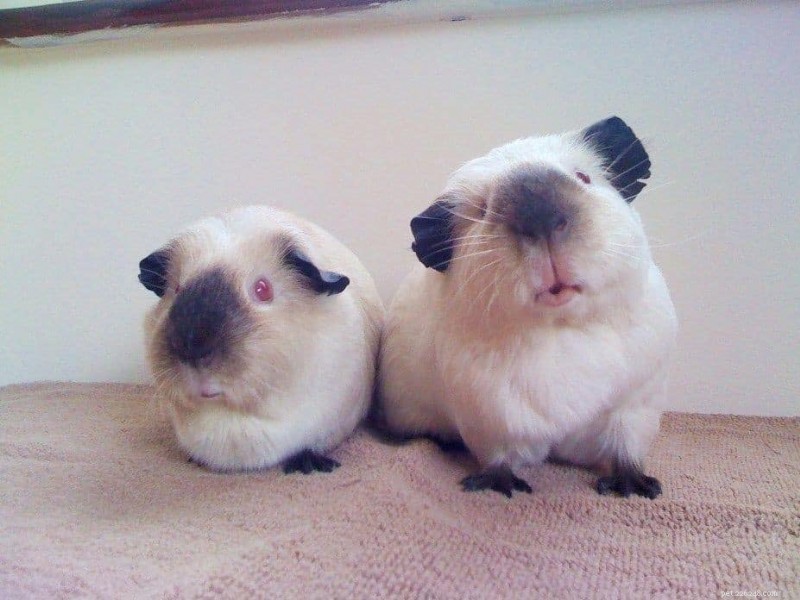
Himalayan guinea pigs prefer to live in pairs or small groups to satisfy their herd instincts. When paired, they groom, cuddle, and play. Solo ownership can lead to loneliness.
Buying in pairs ensures familiarity, and choosing same‑sex companions prevents unwanted breeding. Introducing a slightly older or younger individual can help establish a natural hierarchy.
Provide a Cozy Retreat Inside the Cage
While they need ample space to roam, a small, enclosed house offers a safe hiding spot. Options range from store‑bought to DIY models. The choice depends on budget and durability; homemade versions can be cost‑effective but may lack chew resistance.
Essential Bedding for Hygiene and Comfort
Bedding mimics a natural den, offering warmth and odor control. High‑quality options include:
- Aspen wood shavings: soft, splinter‑free, and odor‑neutral. Avoid cedar or pine, which release harmful fumes.
- Paper bedding: shredded white office paper or brown paper bags. Never use newspaper due to ink toxicity.
Choose pet‑grade aspen shavings from a reputable supplier to avoid contaminants.
Vitamin C: A Dietary Necessity
Guinea pigs cannot synthesize vitamin C and are therefore prone to scurvy if it is lacking in their diet. Daily intake should include:
- Fresh, colorful vegetables—especially bell peppers, which provide high vitamin C with minimal sugar.
- Low‑sugar fruits such as strawberries or blueberries, offered in small portions a few times weekly.
- High‑fiber hay—timothy hay is a reliable choice—to support dental wear and digestion.
Pellets fortified with vitamin C can supplement the diet but should not replace fresh produce.
Daily Feeding Guidelines
• Hay: Unlimited access to fresh, mold‑free hay for chewing and fiber. • Vegetables: Approximately 1 cup of fresh veggies per day, varied to provide a spectrum of nutrients. • Pellets: A small portion daily—watch the serving size on the packaging to avoid excess calories. • Water: Use a stainless‑steel bottle with a ball‑spout to keep water clean and prevent spills.
Foods to Avoid
Keep the following items out of reach:
- Allium family (onions, garlic)
- Potato leaves, stems, and skins
- Bean plants (except cooked beans in moderation)
- Tomato leaves and stems
- Avocado skin and pits
- High‑starch corn (hull removal necessary)
Safe Outdoor Exploration
When allowing a Himalayan guinea pig outside, ensure the environment is secure: cover potential escape holes, secure cords, and remove toxic plants. Outdoor sessions should be brief—ideally during mild, overcast weather—to prevent overheating or chilling.
Chewing Needs and Exercise
Provide safe chew items such as aspen wood sticks or blocks to maintain dental health and deter destructive chewing of cage components.
Exercise Alternatives to Wheels
Guinea pigs do not benefit from running wheels, which can strain their spines. Instead, incorporate ramps and wide, low‑to‑high platforms within the cage to encourage natural movement without injury.
Breeding Considerations
Breeding should only be attempted by experienced owners who can provide suitable housing for multiple animals. Female guinea pigs can safely reproduce from 1–5 months; after 6–8 months, pregnancy risks increase, potentially requiring a cesarean section. Keep males and females separate to prevent unwanted litters, and consult a veterinarian before breeding.
Piglet Care
Guinea pig pups are born fully formed and quickly begin nursing. Their main risks are inadequate nutrition and illness; monitor closely for signs of distress and ensure a clean, warm environment.
Key Takeaways for New Owners
Himalayan guinea pigs are affectionate, social, and visually striking pets. With proper diet, housing, and companionship, they can live healthy, happy lives. By following these evidence‑based guidelines, you’ll provide a quality life that rewards both you and your furry friend.
- Lyme Disease in Dogs: Causes, Symptoms & Effective Treatments
- 6 Hidden Household Toxins That Endanger Pets—and How to Safeguard Them
- Spotting Anxiety in Cats: Key Signs and Effective Solutions
- Step-by-Step Guide: Assembling a Metal Dog Crate for Safe Travel
- Train Your Jack Russell Mix: Proven Techniques & Tips
- K9 Kamp: Mastering Hide & Seek with Mr. N – A Campfire Coaching Moment
- English White Terrier: History & Characteristics of the Extinct 19th-Century Terrier