

Sheltie Guinea Pig Care Guide: Diet, Housing, Grooming & Breeding
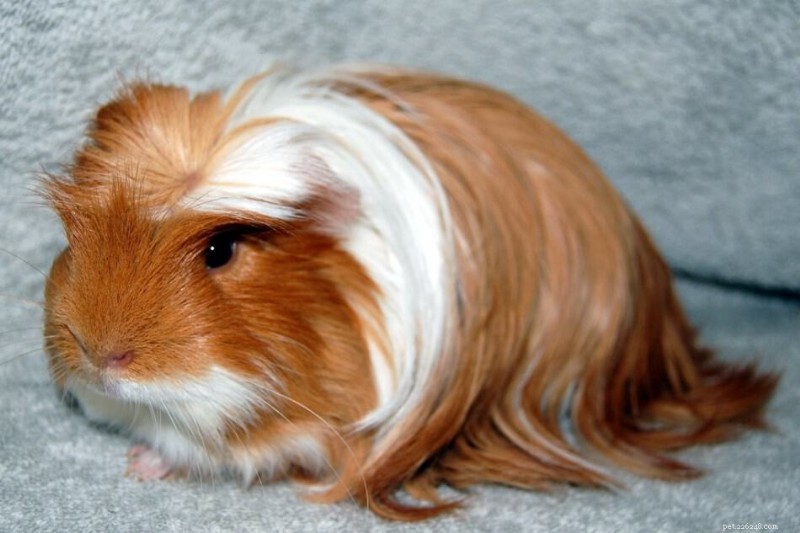
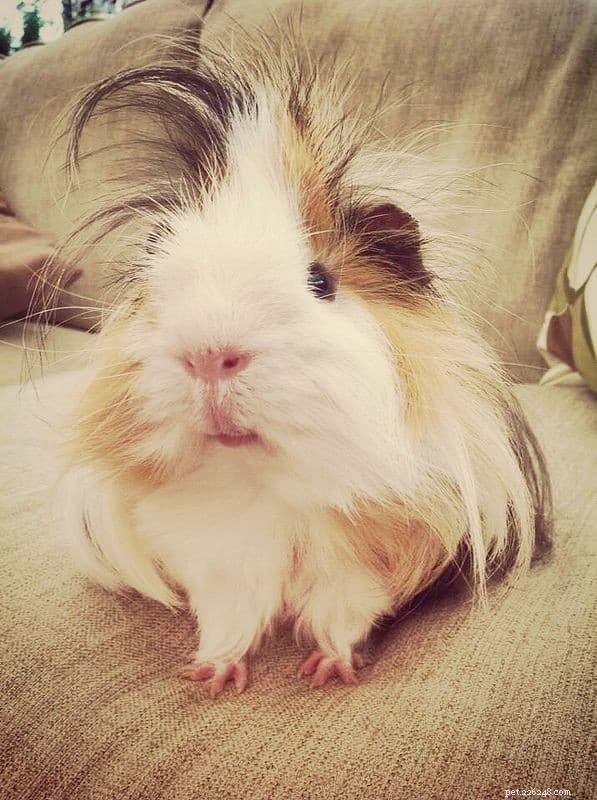
The Sheltie Guinea Pig—also called a Silkie—stands out for its long, plush coat. Beyond its striking appearance, this breed is friendly and thrives as a companion animal.
Like all pets, Shelties require thoughtful care to stay healthy and happy. A well‑planned environment, balanced nutrition, regular social interaction, and routine grooming are essential.
Choosing the Right Cage
A secure cage is the first priority. It keeps your Sheltie safe from household hazards, prevents escape, and offers a designated living space.
Opt for a sturdy cage made of metal or high‑grade hard plastic—guinea pigs can chew through ordinary plastic. A minimum floor area of 7.5 sq ft is recommended; 10.5 sq ft or more provides ample room for exercise.
Bar spacing should be tight enough to stop escape and prevent paw injury—ideally less than 1 inches apart. The cage should also allow easy cleaning and have a secure lid.
Comfortable Bedding
Bedding is crucial for hygiene and comfort. It should be absorbent, odor‑neutral, and safe for chewing.
Paper bedding—brown paper bags or unprinted white printer paper—is a popular, cost‑effective choice. Tear it into shreds or use a paper shredder for convenience. Avoid newspaper due to ink toxicity.
Tissue paper can also be used, provided it is fragrance‑free and unsoiled. Both toilet paper and tissue paper serve the same purpose.
Wood shavings from aspen are ideal because they are non‑aromatic and safe; avoid cedar, pine, or other scented shavings that release harmful fumes.
Social Needs
Guinea pigs are herd animals and thrive in pairs. When adopting, choose same‑sex pairs to reduce aggression and prevent unwanted breeding. Early socialization—gentle handling, regular interaction, and treats—builds trust and encourages bonding.
Nutrition Overview
Shelties rely on a high‑fiber diet. Their digestive system requires ample roughage and vitamin C, which they cannot synthesize.
Hay
Provide unlimited, fresh hay—timothy, orchard, or oat—every day. Hay keeps teeth in check, offers bulk, and supplies essential fiber.
Pellets
Feed a small daily portion of vitamin‑C‑enriched pellets (e.g., Kaytee). Pellets should not exceed 10% of the diet and help maintain dental health.
Fresh Vegetables
Offer ⅔–1 cup of fresh veggies daily. Suitable choices include bell peppers, romaine lettuce, beetroots, dandelion greens, and carrot greens. Limit higher‑sugar options like carrots to a few times weekly.
Fruits (Treats)
Fruits are high in sugar and should be given sparingly—up to a few pieces weekly. Good options are strawberries, blueberries, apples (seed‑free), kiwi (peeled), and melons. Avoid grapes, raisins, and citrus peels.
Foods to Avoid
Common household items can be harmful: iceberg lettuce, potatoes, rhubarb leaves, onions, garlic, beans, chocolate, nuts, avocados, meats, and dairy. Always consult a vet before introducing new foods.
Breeding Considerations
Breeding Shelties at home is not recommended for most owners due to health risks. Females reach sexual maturity at 1–2 months and should not breed beyond 5–6 months to avoid complications. If breeding, work closely with a veterinarian for prenatal care.
Grooming & Beauty
Shelties grow up to 1 inch of fur per month. Regular brushing—ideally once a week—prevents matting and keeps the coat shiny. Spot‑clean with a damp cloth; never bathe a guinea pig.
Lifespan
With proper care, Shelties live 11–14 years, making them one of the longer‑lived guinea pig breeds.
Origins
The Sheltie emerged in the 1970s from a cross between Peruvian and Black (smooth) guinea pigs. It has since gained popularity in the U.S. under the name Silkie.
Key Takeaway
Sheltie Guinea Pigs combine beautiful, luxurious fur with a gentle, sociable temperament. Providing a secure cage, proper nutrition, regular social interaction, and routine grooming ensures a healthy, happy companion.
- Why Do Dogs Hump? Causes, Significance, and How to Set Healthy Boundaries
- 17 Unusual Pets That Will Melt Your Heart
- Compact Guinea Pig Housing: 6 Proven Space‑Saving Cage Solutions
- Small Cat Breeds: The Best in Compact Size
- Top 10 Cat Breeds With the Most Stubborn Temperaments
- Stop Your Dog's Destructive Behavior: Proven Tips to Protect Your Home
- When Geese Witness a Hedgehog Crossing a Road: An Unexpected Tale of Wildlife Aid