

7 Essential Tips Before Bringing a Guinea Pig Home
Guinea pigs are exceptionally sociable rodents that thrive on companionship and gentle interaction. They spend most of their day eating, grooming, and exploring, often seeking the company of both humans and fellow guinea pigs. When you welcome one into your home, you’ll be the source of their food, water, and daily enrichment.
While their care is straightforward, a thoughtful approach ensures they remain healthy and happy. Below are seven evidence‑based guidelines to help you prepare for a new guinea pig.
7 Essential Tips Before Bringing a Guinea Pig Home
1. Social Interaction Is Key
Guinea pigs are herd animals and flourish when they have a companion. A single pig can feel lonely, especially when owners are away for extended periods. Consider adopting a pair (same sex) to provide natural companionship.
They enjoy bonding with humans, too. Use treats to establish trust—these positive reinforcements foster a calm, affectionate relationship.
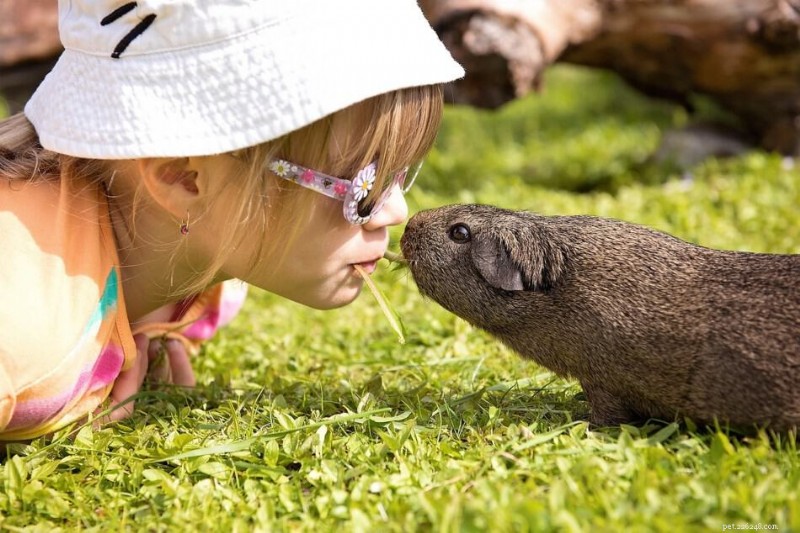 Guinea pigs love interaction with their owners
Each individual has a distinct personality: some are bold, others shy, and many are playful. With proper socialization, they can be delightful pets that enjoy snacks, games, and gentle handling.
2. Proper Feeding—Hay, Pellets, and Fresh Greens
Feeding a guinea pig is simple yet critical. The foundation of their diet is high‑fiber hay, which supports digestion and teeth wear.
Always keep hay available. Timothy hay is the most widely recommended variety—choose clean, dry, and mold‑free hay with a pleasant scent.
We recommend the following quality hay products:
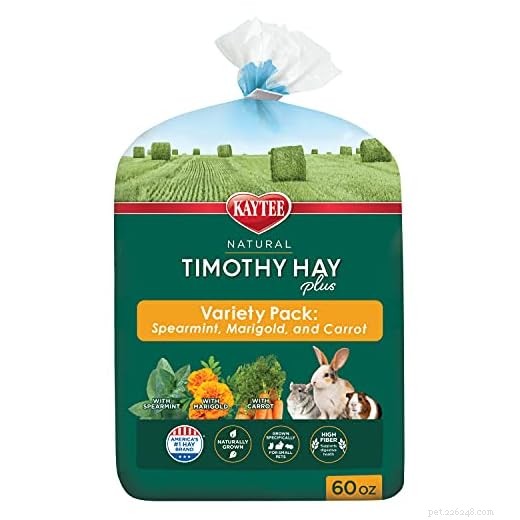
Kaytee Timothy Hay Flavor Variety Multi Pack, Spearmint, Marigold, Carrot, 4.5 lb
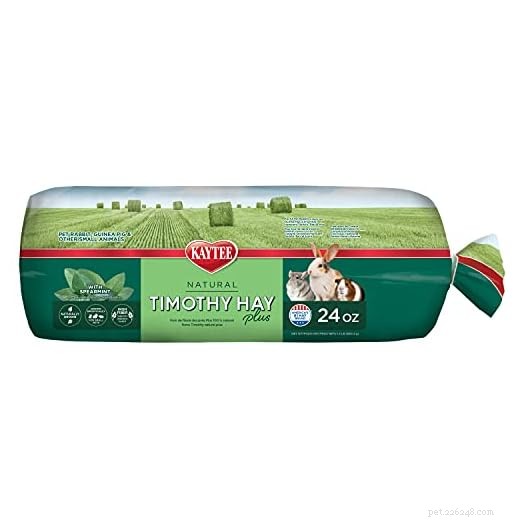
Kaytee Timothy Hay for Rabbits & Small Animals, Assorted Flavors, 24 oz Bag
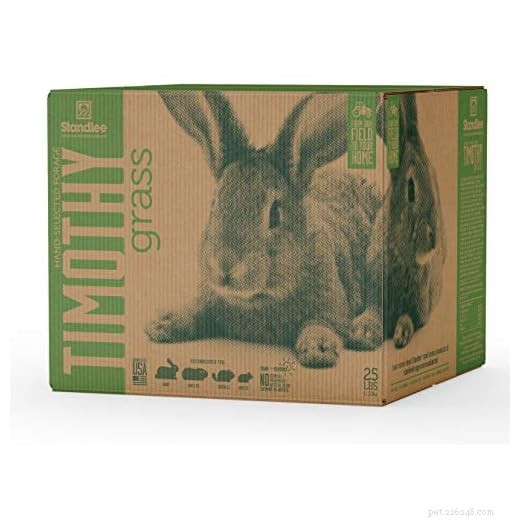
Standlee Hay Company Premium Timothy Grass Hand‑Selected Forage, 25 lb Box
Pellets should complement hay, not replace it. They provide balanced nutrition—including essential vitamin C—while preventing selective eating that can lead to malnutrition.
Choose pellets free of fillers, and avoid overly expensive premium formulas unless recommended by a vet.
Our top pellet picks:
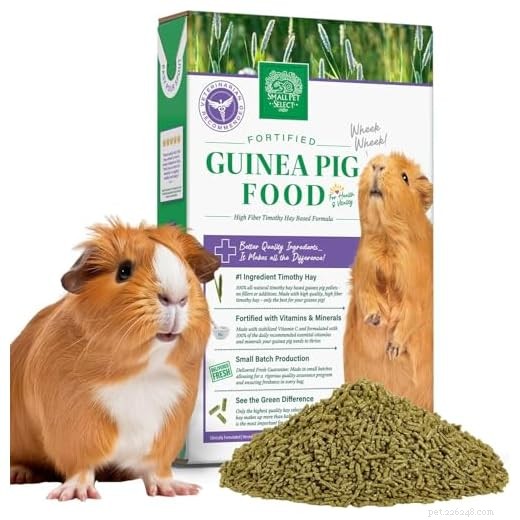
Small Pet Select Guinea Pig Food Pellets, 5‑Pound
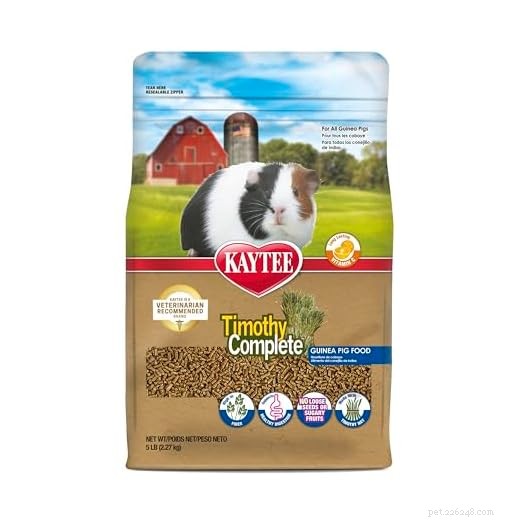
Kaytee Timothy Complete Guinea Pig Food
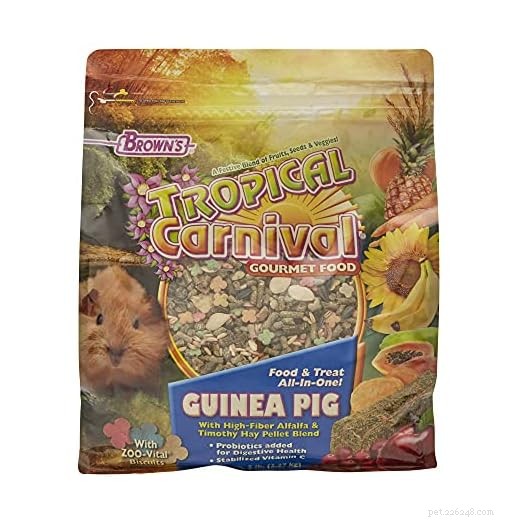
F.M. Brown's Tropical Carnival Gourmet Guinea Pig Food with Alfalfa and Timothy Hay Pellets – Vitamin‑Nutrient Fortified Daily Diet
Fresh vegetables—up to one cup per day—are vital. Start slowly, adding one new veggie at a time, and watch for digestive upset.
Safe greens include broccoli, cabbage, romaine lettuce, and carrot tops. Offer fruit sparingly (e.g., kiwi, pear, apple without seeds, strawberries, blueberries) as occasional treats.
3. Foods to Avoid
Certain foods are toxic to guinea pigs: chocolate, any candy, onions, garlic, all parts of the potato plant, and the stems/leaves of tomatoes. Keep these items well out of reach.
4. Housing: A Secure, Spacious Cage
Provide a cage that’s at least 7 ft² for a single pig and 14 ft² for a pair. Use a sturdy metal or hard plastic frame—avoid chew‑able plastics.
Bars should be spaced ¼ in. or less to prevent head or limb entanglement. Include a removable house for warmth and security; glass or durable plastic houses are preferable over cardboard, which can be chewed and soiled quickly.
5. Bedding for Comfort and Hygiene
Choose absorbent, odor‑neutral bedding. Paper bedding (white, ink‑free) or shredded brown paper bags are inexpensive and soft but need frequent changing.
High‑quality aspen wood shavings are also an excellent choice—select products from reputable pet stores to avoid dust and pests. Aspen bedding is low‑dust and safe for respiratory health.
Cleaning routine:
- Remove old bedding and wash the enclosure once a week with mild soap and water.
- Replace bedding immediately afterward.
- Adjust cleaning frequency based on cage size and the number of animals.
- Regular cleaning reduces ammonia build‑up, protecting your pet’s respiratory system.
6. Exercise and Enrichment
Guinea pigs need daily physical activity. Avoid standard exercise wheels—these can be unstable. Instead, provide tunnels, ramps, and chew toys.
Encourage exploration by hiding treats in different corners and pulling treats on a string. Interactive play not only keeps them active but also prevents boredom.
7. Dust Baths Are Unnecessary
Unlike chinchillas, guinea pigs do not benefit from dust baths. The fine dust can irritate their sensitive skin and respiratory tract. Instead, give a gentle water bath every couple of months, using a tear‑free pet shampoo such as Arm & Hammer, and dry them thoroughly afterward.
Additional Frequently Asked Questions
Why might you consider not getting a guinea pig?
They require consistent care, a stable environment, and are susceptible to certain illnesses. Prospective owners should weigh these responsibilities.
What age is ideal for purchase?
Buy a pig that is at least 6 weeks old and has lived with same‑sex companions to avoid accidental breeding.
Can they be left alone during the day?
Guinea pigs can stay unattended for up to 48 hours, but ensure food, water, and safety checks, especially on extended absences.
What are the downsides?
They are delicate, can suffer from respiratory infections, and may be prone to injury if handled improperly.
How long do they live?
With proper care, guinea pigs can reach 10 years; typical lifespan is 5‑8 years.
Conclusion: Preparing for a Guinea Pig
With fresh water, ample hay, balanced pellets, a variety of vegetables, and occasional fruit treats, a guinea pig can thrive. A spacious cage, safe bedding, and regular enrichment will keep them healthy and content. By planning ahead, you’ll create a loving home that supports a lifelong companion.
Latest Posts
- Premium No-Pull Harnesses: Safer, More Effective Solutions for Your Dog
- 5 Winter Activities for Your Dog—Enjoy the Outdoors, One to Avoid
- Why Cats Master the Art of Fitting into Tiny Spaces
- Stop Dog Jumping: Expert Tips for a Calm, Safe Pup
- 17 Pets That Master the Art of Bed Head
- Effective Solutions for Canine Skin Irritation
- Step-by-Step Guide to Safely Cleaning Your Dog’s Ears