

Neighborhood Raccoon and Possum Delight in Late‑Night Snack Time With Local Resident
Every neighborhood hosts its own cast of resident wildlife—from feral cats to ground squirrels. In a recent viral TikTok clip, two local creatures, a raccoon named Ricki and a possum called Junior, have become household names thanks to their nightly snack routine.
Ricki first appears, his paws pressed against a glass door, as the TikToker opens it and hands him a generous slice of bread. After the raccoon darts away, Junior patiently waits his turn, a perfect illustration of the duo’s well‑known routine.
Viewers have praised the animals for their familiarity with the routine and their clever timing, noting how Junior “waits in line” and how the pair seem to know when to solicit their human friend. Their friendly antics showcase a rare interspecies bond that many find heartwarming.
Should you feed neighborhood wildlife?
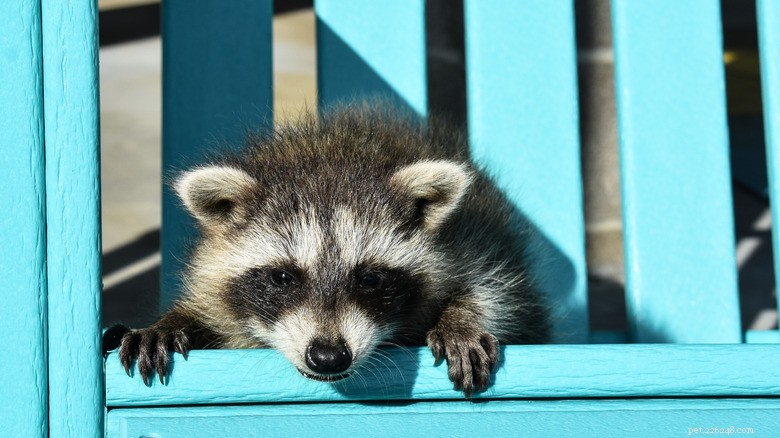
While watching Ricki and Junior enjoy their treats is undeniably cute, wildlife experts caution against feeding wild animals. The consensus is that offering food to wildlife—apart from birds with feeders—can have unintended consequences.
Key concerns include altered reproduction rates, increased disease transmission, and impaired foraging skills in younger animals. Moreover, raccoons and other urban dwellers often encounter human food scraps on their own. A 2025 study in Frontiers in Zoology describes how raccoons’ dependence on human refuse has led to a form of “early domestication.” Dr. Raffaela Lesch, co‑author of the study, notes that neighborhood “trash pandas” have become less wary, even developing shorter, “cuter” snouts compared to their rural counterparts.
While this research highlights the adaptability of raccoons, they remain wild. For this reason, experts recommend keeping treats indoors and limiting interactions that could foster dependency. If you’re interested in exotic companions that are legal to own, consult local regulations and reputable breeders.
In short, feeding wildlife can create short‑term delight but may pose long‑term ecological and health risks.
- The Science Behind Why Cats Love to Climb
- Domestic Medium Hair Cats: History, Traits, and Adoption Guide
- 7 Proven Ways to Reduce Vet Visit Anxiety in Dogs
- Why Cats Hide: 6 Proven Reasons Behind the Behavior
- Understanding Why Dogs Lick Their Privates: Health Insights
- Mastering Show Dog Training: Proven Techniques for Success
- Understanding Canine Hair Loss: Causes, Symptoms & Solutions for Pet Owners