

Why My Dog Peed on Me and How to Stop It
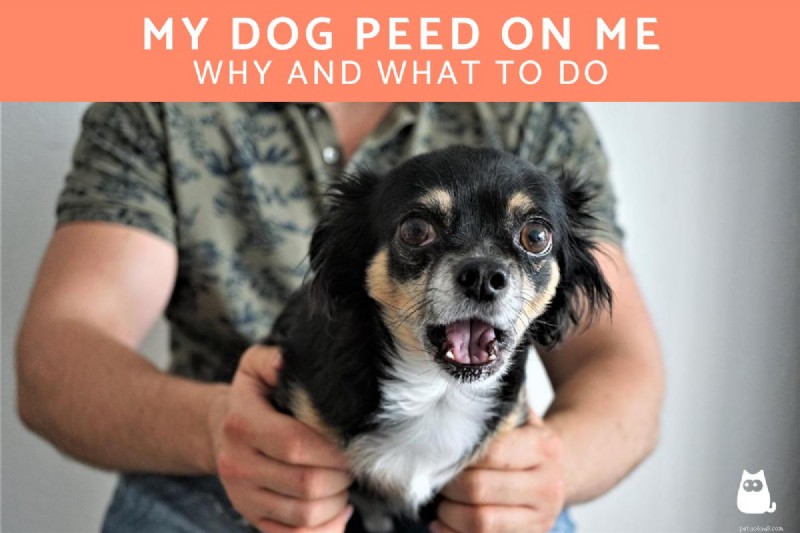
When you bring a new dog—especially a puppy—into your home, expect some accidents. Before they’re fully house‑trained, young dogs often urinate indiscriminately, sometimes even while sitting on your lap or lounging on the couch. Once training is complete, a healthy dog should be able to hold its bladder. If your dog suddenly starts peeing on you, it usually signals an underlying issue.
At AnimalWised we explore the reasons behind why my dog peed on me, and we’ll show you practical steps to prevent it from happening again.
Why Did My Dog Pee on Me?
First, distinguish between normal scent‑marking and inappropriate urination. Dogs often mark objects, other dogs, or even strangers’ legs while out on walks. This behavior is driven by pheromones in their urine and is a way to establish control over their environment. Marking a visitor is more likely if the person carries the scent of another dog.
Marking is usually brief—just a few drops—and isn’t a cause for alarm. However, when a fully trained dog urinates on you, the volume is typically larger and indicates a problem such as a change in routine, anxiety, or a medical condition. Examine the context and any accompanying behaviors to pinpoint the trigger.
Common Triggers for a Dog Peeing on Its Owner
- Excitement urination: Some dogs lose bladder control when they’re overly thrilled—like when you return home after a long day. Their body is relaxed, and they can’t suppress the urge. While occasional excitement urination is normal, frequent episodes suggest anxiety that may need calming techniques or a more structured greeting routine.
- Fear or anxiety: A tense posture, tail tucked, or trembling indicates the dog is scared. Triggers can include a recent move, new family members, loud noises, or a history of abuse. In such cases, professional behavior counseling is advisable.
- Insufficient training: Even a dog that seemed house‑trained can regress without consistent reinforcement. Regular refresher training sessions using positive reinforcement help maintain good habits.
- Medical incontinence: Older dogs or those with urinary tract infections, kidney disease, or neurological disorders may lose bladder control. Blood in the urine or sudden changes in frequency warrant an immediate veterinary check‑up.
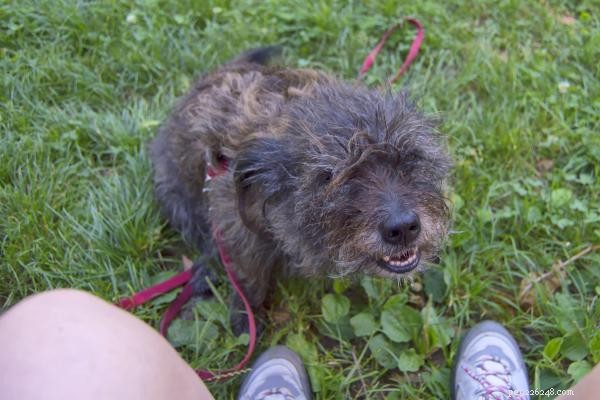
What to Do After a Dog Pees on You
1. Stay calm. Reacting with anger can worsen anxiety and reinforce the behavior.
2. Assess the situation. Note the dog’s body language, recent changes at home, and any health symptoms.
3. Consult a veterinarian. Rule out urinary infections, hormonal imbalances, or other medical issues.
4. Consider neutering/spaying. Hormonal reduction often diminishes marking behavior in both males and females.
5. Improve socialization. Expose your dog gradually to new people, environments, and stimuli between 3‑12 months of age, and continue socializing adult dogs whenever possible.
6. Seek professional help. A certified dog trainer or canine behaviorist can design a tailored behavior‑modification plan.
Understanding the link between your dog’s urination habits and environmental factors can guide effective solutions. For more insights, read our article on why dogs pee near food.

Explore more articles in our Behavioral Problems category for additional tips and guidance.
- Is Catnip Safe for Dogs? Expert Review of Benefits & Risks
- How Often Should You Brush Your Dog’s Teeth? A Simple Guide to Healthy Gums
- Minkie: The Ragdoll Who Became Our Family's Comfort and Healing Companion
- Are Rib Bones Safe for Dogs? Expert Guidance on Feeding Bone to Your Canine
- Meuse‑Rhine‑Issel Cattle: A Proven Dutch Milk‑Producing Breed
- 18 Heartwarming Pet Photos Guaranteed to Brighten Your Day
- Meet Latte, Java & Mocha: Heartwarming Ragdoll Stories