

Why My Cat Peeed on Me and How to Stop It
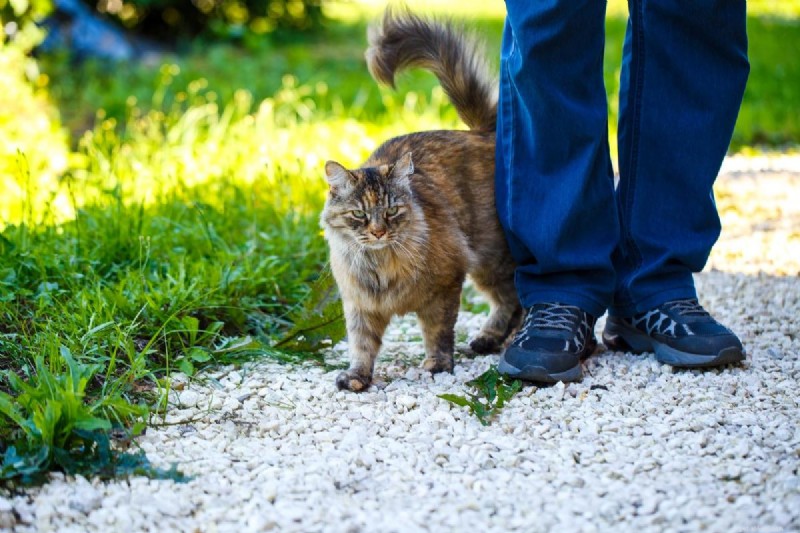
Bringing a cat into your home inevitably involves some adjustment. While kittens may urinate anywhere, a properly litter‑trained adult cat should use the litter box consistently. If your cat starts peeing on you, it signals a problem—either medical or behavioral—that needs attention.
At AnimalWised we explore the reasons why my cat peed on me, discuss what you can do to stop it, and offer tips for preventing inappropriate urination.
Table of Contents
- Medical (pathological) causes
- Marking behavior
- Does my cat mark me with urine?
- Stress‑related issues
Medical (Pathological) Causes
Any sudden change in a cat’s bathroom habits should first be evaluated by a veterinarian. Incontinence can result from several health problems:
- Urinary tract infections (UTIs): Infections of the lower urinary tract, often grouped under feline lower urinary tract disease (FLUTD), can cause cystitis (bladder inflammation). Painful urination may lead a cat to empty its bladder wherever it can, even on your lap.
- Urinary stones or crystals: Mineral deposits can form in the bladder or ureters, obstructing urine flow and causing urgency and incontinence. See our article on urinary crystals for details.
- Trauma: Abdominal or head injuries can damage the bladder, nerves, or brain centers that control urination, leading to loss of bladder control.
- Tumors: Benign or malignant growths near the genitourinary tract can compress ducts and cause leaking.
Other physical issues (e.g., kidney disease, diabetes) may also affect bladder control. If you notice blood in the urine, frequent accidents, or any other signs of illness, schedule a veterinary exam promptly.
Marking Behavior
Cats communicate with scent. While facial rubbing and cheek rubbing deposit pheromones from facial glands, urine is their most potent marking tool. Cats may spray for several reasons:
- Social bonding: Rubbing against you marks you as part of their family group.
- Territory delineation: Wild ancestors used urine to define safe zones and warn intruders.
- Reproductive signaling: Intact females in heat and intact males may spray to attract mates or announce their presence.
Neutering or spaying eliminates most hormone‑driven spraying. In rare cases, a neutered cat continues to spray, which may indicate an incomplete procedure or an underlying medical issue. Refer to our article on persistent spraying for more information.

Does My Cat Mark Me with Urine?
When a cat urinates on a person, it is usually a stress‑related marking act rather than a routine spray. This behavior is uncommon in a happy, healthy cat but can occur when the cat feels its security or social rank is threatened. Common triggers include:
- Moving to a new home
- Renovations or major changes to the environment
- Introducing a new cat or another pet
- Arrival of a baby or new family member
In these situations the cat may urinate on you to re‑assert its place in the household.
What to Do If Your Cat Marks You
Most stress‑related marking resolves once the cat perceives the environment as safe again. You can accelerate recovery by:
- Providing positive reinforcement: Offer treats, gentle praise, and calm voice tones when the cat interacts calmly.
- Improving socialization: Gradually expose the cat to new people, pets, and situations in a controlled, rewarding way.
- Avoiding punishment: Scolding or physical correction can heighten anxiety and worsen the problem.
- Maintaining routine: Keep feeding times, play sessions, and litter box cleaning consistent.
- Using pheromone diffusers: Synthetic feline facial pheromones can soothe a stressed cat.
Prevention is key—anticipate changes and give your cat extra attention and safe spaces during transitions. See our guide on introducing a new cat to your home for detailed tips.

Stress‑Related Urinary Issues
Stress can trigger both deliberate marking and general urinary incontinence. When a cat is highly anxious, its bladder control may deteriorate, leading to accidents outside the litter box.
Typical stressors include:
- Home renovations or relocations
- Poor early socialization
- Emotional trauma or neglect
- Irregular routines
- Inappropriate diet
- Hectic household activity
- Underlying health problems
If you suspect stress, consult your veterinarian to rule out medical causes first. A feline behavior specialist (ethologist) can then help design a tailored enrichment plan.
Enrich your cat’s environment with interactive toys, puzzle feeders, and daily play sessions to keep its mind engaged and reduce anxiety.
For more articles on feline behavioral problems, visit our Behavioral Problems category.
- Recognizing a Dog’s Reverse Sneeze: Signs, Causes, and Care
- Pitbull Boxer Mix: 10 Essential Facts About This Powerful, Playful Breed
- Effective Strategies to Eliminate Mites from Snakes
- 10 Celebrities Who Are Passionate Cat Lovers
- Top 5 Pet Sitting & Matching Platforms in Singapore for Your Next Vacation
- Dog Skin Tags Explained: Identification, Causes, and Safe Treatment Options
- 10 Proven Ways to Safely Coexist with Your Dog and Children