

How to Stop Your Dog Barking at Other Dogs While on a Leash
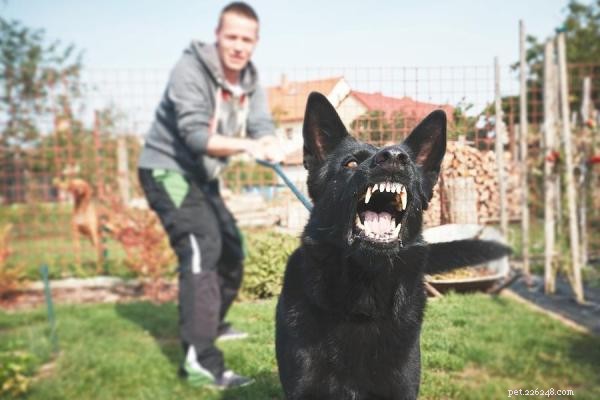
Seeing your dog bark at another dog on a walk can be stressful for both of you. While barking is a natural way dogs communicate, it becomes a problem when it’s excessive or triggers aggression. Understanding the reasons behind leash‑reactive barking and applying proven training techniques will help you enjoy calmer walks and improve your dog’s confidence.
Why Does My Dog Bark at Other Dogs on a Leash?
Several factors can trigger this behavior:
- Fear or anxiety: On a leash a dog may feel trapped and unable to retreat, so it reacts defensively.
- Frustration: Dogs are social animals; being unable to greet or play can lead to vocal frustration.
- Lack of socialisation: Dogs that haven’t met many other dogs, or that have had negative experiences, are more likely to react aggressively.
- Owner’s anxiety: Dogs pick up on our emotions. If you’re tense, your dog may mirror that anxiety.
- Learned behaviour: If barking has been unintentionally reinforced—by receiving attention or being allowed to retreat—your dog will repeat it.
- Breed tendencies: Some breeds are naturally more vocal or protective.

How to Stop Your Dog from Barking at Other Dogs
Changing this habit takes patience, consistency, and positive reinforcement. Try the following steps:
- Desensitisation and counter‑conditioning: Start at a distance where your dog notices another dog but remains calm. Reward calm behaviour with treats and praise, then gradually decrease the distance over multiple sessions.
- Avoid high‑traffic areas: Until your dog’s confidence improves, choose quieter routes to minimise unwanted encounters.
- Be consistent: Use the same cue, reward, and correction each time you train. Consistency helps your dog understand what behaviour is expected.
- Teach basic commands: "Sit", "Stay", and "Come" give you control in the moment. Practice these commands in a variety of settings so they become reliable.
- Gradual socialisation: Introduce your dog to well‑behaved dogs in a safe environment (e.g., a fenced dog park). Increase the level of difficulty only as your dog remains relaxed.
- Use distraction techniques: Carry a favourite toy or high‑value treat. When you see a trigger approaching, redirect your dog’s attention to the reward.
If the behaviour persists or escalates, consult a professional trainer or a certified behaviourist for personalised guidance.
Teaching Your Dog to Walk Calmly on a Leash
Leash walking is a foundational skill that reduces anxiety and prevents reactive barking. Follow these steps:
- Choose appropriate equipment: A well‑fitted harness or collar and a sturdy leash suited to your dog’s size.
- Start indoors: Practice short, distraction‑free walks inside your home, rewarding your dog for staying beside you.
- Progress to quiet outdoor areas: Once confident indoors, move to a calm yard or side‑street, gradually increasing distance.
- Use positive reinforcement: Praise and treat your dog for walking without pulling or barking.
- Keep sessions brief and upbeat: Short, frequent training sessions prevent frustration and build a positive association.
- Introduce new environments slowly: As your dog masters basic walking, expose them to busier streets and more stimuli, always rewarding calm behaviour.
Positive reinforcement is the cornerstone of successful leash training and will also help you manage reactive barking.
What Is Positive Reinforcement?
Positive reinforcement rewards a desired behaviour, making it more likely to be repeated. It builds trust, reduces stress, and avoids the negative side‑effects of punishment. By consistently rewarding calm walking and quiet reactions, your dog learns that these behaviours lead to pleasant outcomes.
Research shows dogs trained with reward‑based methods retain commands better and are more eager to learn new skills. This humane approach also minimises the risk of aggression and anxiety.
Quick Tips
- Never force your dog into a situation that makes him uncomfortable.
- Reduce stressful scenarios on the leash to build confidence.
- Use the leash as a tool for safety, not as a source of tension.
- Stay calm; your composure influences your dog’s reaction.
- Practice relaxation exercises in low‑stress settings before applying them to tougher encounters.
For more articles on dog behaviour, visit our Behavioral Problems section.
References
- Electronic Training Devices, ESVCE position statement
- 19 Essential Tips for Choosing the Best Dog Food Brand
- Meet Mr. Shelby: Belgium’s Adorable Ragdoll Kitten of the Month
- Colorpoint Shorthair Cats: Traits, Care, and Why They're a Great Family Companion
- Why Do Chihuahuas Bite Blankets? Understanding Their Behavior
- How to Tell if Your Dogs Are Playing or Fighting: Key Body Language Signs
- Belgian Malinois: The Ultimate Guide to This Elite Herding Shepherd
- Should You Feed Rabbit Food to Chinchillas? A Vet‑Approved Guide