

Why Does My Cat Gently Bite While Purring? Understanding the Mixed Signals
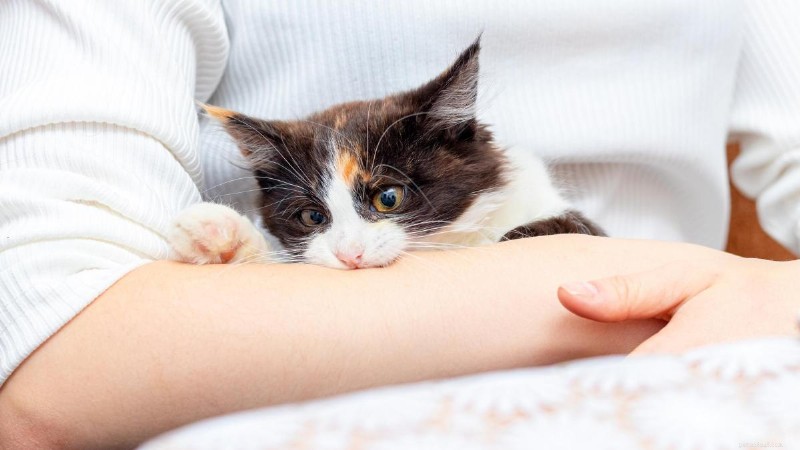
Cats use a rich repertoire of vocalizations and body language to communicate. While purring is often associated with contentment, a cat may also bite gently at the same time, which can seem confusing. Understanding the reasons behind this mixed signal helps you respond appropriately and strengthen your bond.
At AnimalWised we explore the most common explanations for a cat that purrs and bites gently, and we point out when the behavior may signal a problem that needs attention.
What Causes a Cat to Purr and Bite Simultaneously?
- Play or exploratory behavior
- Premature separation from the mother
- Insufficient training or socialization
- Stress or discomfort
- Seeking attention or help
Play and Exploratory Behavior
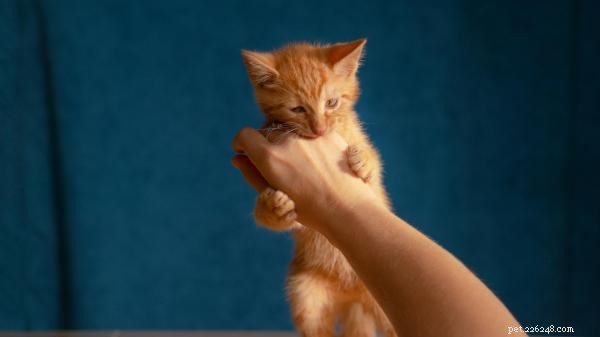
Gentle biting while purring is often normal, especially in kittens. Cats lack hands, so they use their mouths to explore their world. During play they mimic hunting, nibbling and purring to signal that the interaction is friendly and to indicate when they’ve had enough.
Kittens learn bite inhibition from their mother and littermates. A mother’s purr can signal feeding time, and kittens respond with their own purrs to show hunger or satisfaction. As they grow, the same pattern persists: a soft bite paired with a low‑volume purr usually means “let’s keep playing, but not too hard.”
Adult cats retain this kitten‑like play style. If your adult cat purrs while gently nibbling, it’s likely an invitation to join in a short, fun session.
Premature Separation from the Mother
Kittens benefit from staying with their mother for at least eight weeks, preferably up to twelve. Early separation deprives them of vital social lessons, leading to poor bite inhibition and heightened anxiety.
Such cats may still purr when they’re excited, but the bites can be harder and less controlled. Proper training and positive reinforcement are essential to teach appropriate boundaries.
Insufficient Training or Socialization
After adoption, owners become the primary reference figures for a cat. Inconsistent routines—irregular feeding, abrupt introductions to other pets, or chaotic environments—can make a cat feel insecure.
When a cat bites and purrs repeatedly, it may be a sign of inadequate training. Gentle bites during play should be redirected to toys, and the cat should be rewarded for using appropriate outlets. Consistency, positive reinforcement, and avoiding scolding are key to shaping desirable behavior.
Stress or Discomfort
Although purring often indicates relaxation, cats also purr when they’re stressed, in pain, or feeling uneasy. Pay attention to body language: closed eyes and a relaxed posture suggest comfort, whereas open eyes, flattened ears, and a tense body signal distress.
If a cat purrs and then bites sharply, it may be communicating that it has had enough. Assess the environment for possible stressors—loud noises, changes in routine, or medical issues. If the cause isn’t obvious, a veterinary check‑up can rule out pain or illness.
Enriching the environment with toys, climbing structures, and quiet retreat spots can reduce stress‑induced biting.
Seeking Attention or Help
Cats view their owners as mother‑like figures. Gentle nibbles paired with a steady purr often serve as a request for attention, food, or affection.
- Attention‑seeking: A cat may purr loudly while nibbling to let you know it wants petting, play, or a treat.
- Help‑seeking: If a cat is in pain or discomfort, it may purr and bite as a distress signal. In such cases, seek veterinary care promptly.
Understanding the context of the behavior—whether playful, stressed, or urgent—helps you respond appropriately.
When to Take Action
If the biting becomes hard, frequent, or is accompanied by other concerning signs (withdrawal, aggression, loss of appetite), consult a veterinarian. Regular check‑ups ensure any underlying health issues are addressed early.
For more articles on feline behavior, visit our Behavioral Problems category.
- Jackshund Dog: Comprehensive Breed Profile
- Puppy Socialization: Why It Matters and How to Do It Right
- Effective Home Flea Control: Proven Steps to Eliminate Fleas Quickly
- Stop Your Conure from Biting Your Head: Causes & Proven Solutions
- Effective Strategies to Eliminate Green Hair Algae from Your Aquarium
- 10 Everyday Foods That Can Harm Your Bird – Keep Your Feathery Friend Safe
- Svetlana Novikova: From Moscow to Austin—The Artistic Journey Behind Her Etsy Shop