

What Animal Group Is Known as a 'Charm'? The Story Behind Finches and Their Poetic Collective Noun
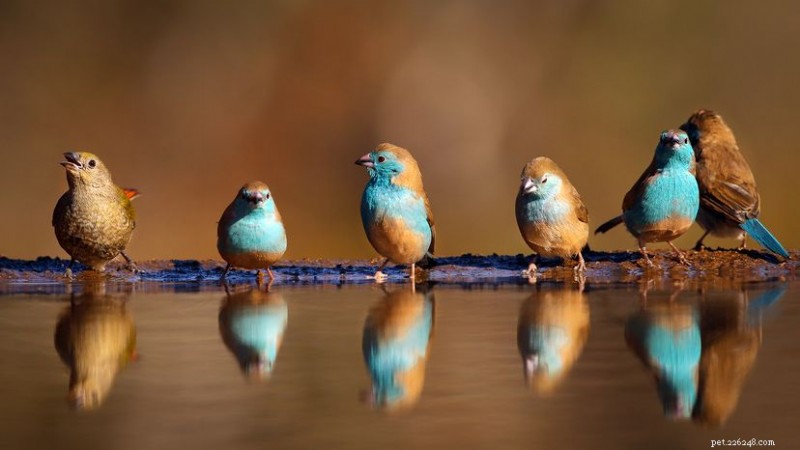
English offers a whimsical lexicon for naming animal gatherings— from a murder of crows to a parliament of owls. Among these, the term charm stands out for its lyrical quality and precise fit.
A Charm of Finches
The collective noun charm is most often linked to finches. These small, vibrant birds move in tight, energetic flocks, chirping and fluttering across gardens, woodlands, and fields. Their bright plumage and joyous song evoke a sense of enchantment, which is reflected in the term itself.
The word “charm” traces back to Old English c'irm, a reference to the birds’ twittering song. It captures not just their appearance but their lively, social nature—quick, bright, and always in motion. A charm, then, feels less like a descriptor of behavior and more like a tribute to the delight they bring.
Beyond Finches: Other Birds in a Charm
While finches are the primary species associated with this collective noun, some references extend it to other small songbirds such as goldfinches. Nevertheless, most authorities—including the Oxford English Dictionary—list only finches under the term “charm.” This specificity distinguishes it from generic terms like “flock” or “group.”
Why Collective Nouns Matter
Collective nouns do more than add color; they offer insight into how animals move together. For example:
- A leap of leopards conveys sudden, powerful motion.
- A gang of elk suggests coordinated movement.
- A bask of crocodiles highlights languid repose in the sun.
- A scurry of squirrels captures their quick, darting energy.
A charm, in contrast, emphasizes the visual and emotional resonance of the group. It’s about the feelings these birds inspire—lightness, joy, and a touch of magic.
Other Imaginative Collective Nouns
Here are a few more vivid examples that illustrate how language can animate animal behavior:
- A covey of partridges
- A mischief of magpies
- A pack of wolves
- An unkindness of ravens
- A business of ferrets
- A trip of goats
- A cast of falcons
- A shoal of herring
- A trip of dotterel
- A cete of badgers
These terms often stem from hunting manuals, folklore, or regional dialects. While they’re not part of scientific taxonomy, they enrich the tapestry of English animal lore.
So the next time you spot a lively assembly of finches flitting through your backyard, you’ll know exactly what to call them: a charm.
This article was co‑authored with AI assistance and subsequently fact‑checked and edited by a HowStuffWorks editor.
- Understanding Why Dogs Pee on Fire Hydrants: Common Causes Explained
- Bringing Home a Newborn & Cat: Tips for a Safe, Happy Coexistence
- New Study Links Dog Interaction to Reduced Neurodegenerative Disease Risk
- Sudden Dog Paralysis: Causes, Symptoms & Effective Treatments
- Master Dog Obedience Training: Proven Tips & Techniques for a Calm, Confident Companion
- Dog Shows Explained: Westminster, Crufts, and How to Showcase Your Pup
- Choosing the Best Dog Collars: Expert Tips & Usage Guide | QQPets