

Buzzard Collective Nouns Explained: From "Kettle" to "Wake"
Buzzards—commonly referred to as turkey vultures in North America—are masters of the sky, using thermals to glide with minimal effort. While many people recognize the term “buzzard,” fewer are aware that the collective names for these birds change depending on whether they’re soaring or feeding.
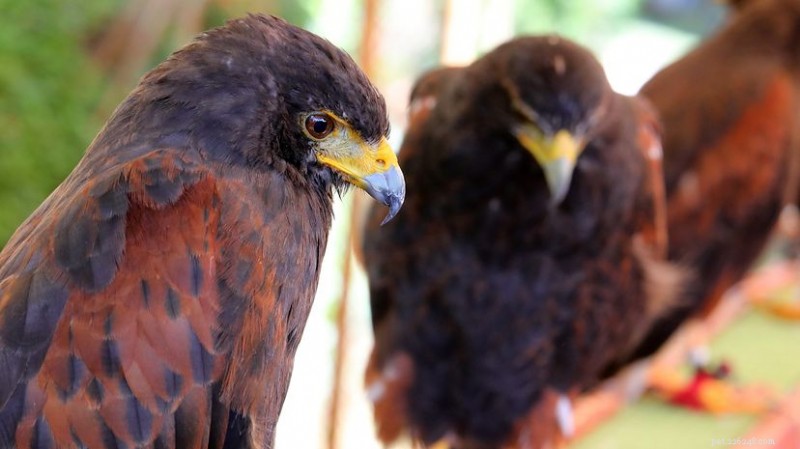
A Kettle of Buzzards in Flight
When buzzards rise in thermals, the appropriate collective noun is a kettle. The term evokes the image of birds swirling upward like steam from a kettle’s spout. Kettles often form during migration, with dozens—or even hundreds—of turkey vultures and related species riding warm air currents to conserve energy. Observing a kettle is a breathtaking reminder of the aerodynamics that allow these scavengers to cover vast distances with little exertion.
A Wake or Committee on the Ground
On the ground, buzzards gather around carrion in a group known as a wake. The name reflects their role as scavengers, feeding on dead animals that help curb disease spread. A wake may include other vultures, black vultures, or even larger scavengers such as hyenas, depending on the ecosystem.
When buzzards perch quietly in trees or on fenceposts, they are often called a committee. This term is also applied to vultures and is sometimes used for resting or roosting groups. Both “wake” and “committee” emphasize the social and ecological importance of these birds in natural food webs.
Key Traits and Behaviors of Buzzards
- Scalp devoid of feathers to remain clean while feeding.
- Exceptional olfactory sense for locating carrion.
- Long, broad wings adapted for efficient soaring.
Buzzards frequently circle high to scout for food, rest in groups on trees or the ground, and nest on cliff ledges. Their flight patterns and resting habits illustrate how they balance the need for energy conservation with the demands of scavenging.
Other Bird Collective Nouns
The animal kingdom is rich with colorful group names that capture a species’ behavior or folklore. Here are a few notable examples:
- A murder of crows
- A parliament of owls
- A siege of herons
- A gaggle of geese (on land)
- A flight of storks
- A pod of pelicans
- A flock of birds (generic term)
Scavengers and Soaring Species That Share the Sky
Buzzards often travel alongside other scavengers such as hyenas, foxes, or wild dogs in Africa and the Americas. They also share the air with black vultures, other vulture species, and soaring birds like hawks, eagles, and storks—especially during migratory periods. While some observers mistake buzzards for hawks or falcons, buzzards typically possess broader wings and a morphology finely tuned for soaring rather than aggressive hunting.
The Ecological Role of Buzzards
By consuming carrion, buzzards play a vital role in ecosystem health, preventing the buildup of decomposing carcasses and limiting pathogen spread. Their feet and legs are adapted for walking and balance rather than pursuit, underscoring their reliance on scent, sight, and patience to locate food. This ecological service is often underappreciated, yet it is essential for maintaining the balance of nature.
© 2026 HowStuffWorks. This article was generated with AI assistance and subsequently fact‑checked and edited by professional writers to ensure accuracy and reliability.
- 150 Classic British Cat Names for Cats – Trusted Picks for Every Feline
- Top-Rated Airtight Dog Food Containers for Freshness & Safety
- Old English Sheepdog: Breed Overview & Key Facts
- Is Your Dog Overweight? A Complete, Proven Guide to Safe Weight Loss
- How Much Should You Feed Your Cat? Essential Guidelines for Healthy Weight
- Expert Guide to Cat Bathing: Step‑by‑Step Bath Time Instructions
- Veterinarian’s Guide: Expert Tips for Introducing Cats to Each Other