

The Correct Collective Noun for Ducklings: Brood, Raft, and Flock Explained
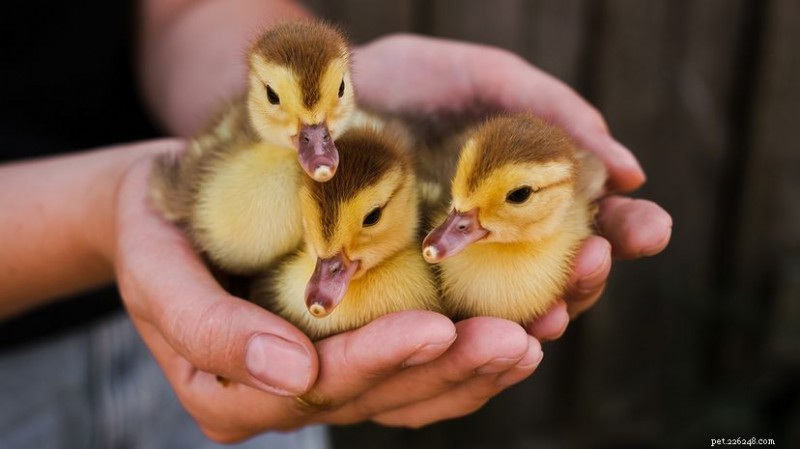
When a line of baby ducks follows its mother, you’re witnessing more than cuteness—it's a well‑structured group with its own name.
A Group of Ducklings Is Called a Brood
The most widely accepted collective noun for baby ducks is brood. It refers specifically to ducklings raised together under the care of their mother.
During the breeding season, female ducks lay eggs in nests near ponds or lakes. Once the ducklings hatch, they stay close to their mother, forming a brood that provides warmth, protection, and guidance.
On land, a brood often moves in a tight line; on water, the same group is called a raft or a paddling. These young birds rely heavily on their mother during the first weeks, making them especially vulnerable to predators.
Other Collective Nouns for Ducks
Ducks gather in various formations depending on their activity. Below are the most common collective nouns:
- A brace – two ducks, usually a male and a female.
- A raft or paddling – ducks swimming together on water.
- A flock or team – ducks flying in a V‑shaped formation.
- A waddling – ducks walking on land.
Flying ducks often use the V‑formation to conserve energy, and a group of such birds is typically referred to as a flock, especially during long migratory journeys.
Duck Behavior and Social Structure
Ducks are highly social creatures. For instance, mallards form pairs during the breeding season, after which the male (drake) usually departs, leaving the female to raise the young.
The mother leads her ducklings from the nest to the water, teaching them to feed, avoid predators, and stay close. Webbed feet allow ducklings to navigate both land and water efficiently.
Fun Facts and Famous Ducklings
In popular culture, the nephews of Donald Duck—Huey, Dewey, and Louie—are a classic example of a duckling brood.
In the wild, you’ll often spot ducklings in parks, lakes, and ponds during spring and summer. Watching a brood cross a road or paddle across a lake is a favorite pastime for nature enthusiasts.
Why Collective Nouns Matter
Collective nouns like brood, raft, and flock give us precise language to describe the various ways ducks interact with their environment. They enhance our understanding of duck behavior and deepen our appreciation for wildlife.
So next time you see a group of ducklings trailing behind their mother, you’ll know you’re witnessing a brood in action—a perfectly named team of babies learning the ropes of duck life.
We created this article in collaboration with AI technology and have had it fact‑checked and edited by a HowStuffWorks editor.
- Win the FUKUMARU Mounted Cat Climbing Wall Shelf – Exclusive April 2021 Giveaway
- Decoding Canine Behavior: Why Your Dog Places Its Paw on You
- 3 Nutritious Homemade Cat Food Recipes for Healthy Paws
- How to Safely Handle a Street Dog Encounter
- Pug Dog Breed Guide: Origin, Care, and Characteristics
- Why Playtime Matters: Boost Your Cat’s Health & Happiness
- Understanding Dry Eye (Keratoconjunctivitis Sicca) in Dogs: Causes, Symptoms, and Treatment