

Can Parrots Safely Enjoy Grapes? Portion Sizes & Serving Tips
Offering new, exciting treats is a highlight of caring for a parrot. While many pet owners love grapes, it’s essential to know how to serve them safely.
Grapes are safe for parrots and can be fed in small quantities. They contain no known toxins that affect bird health. However, because they are high in natural sugar (fructose), excessive consumption can lead to digestive upset or weight gain.
Are Grape Skins Safe for My Parrot?
There’s no need to peel grapes before feeding them to your bird. Just be sure to wash them thoroughly to remove any pesticide residue. A vinegar rinse or a commercial fruit‑and‑veg cleaner, followed by a clean water rinse, is recommended.
Some caretakers use grapefruit seed extract as an additional cleaning step, but a simple wash is usually sufficient.
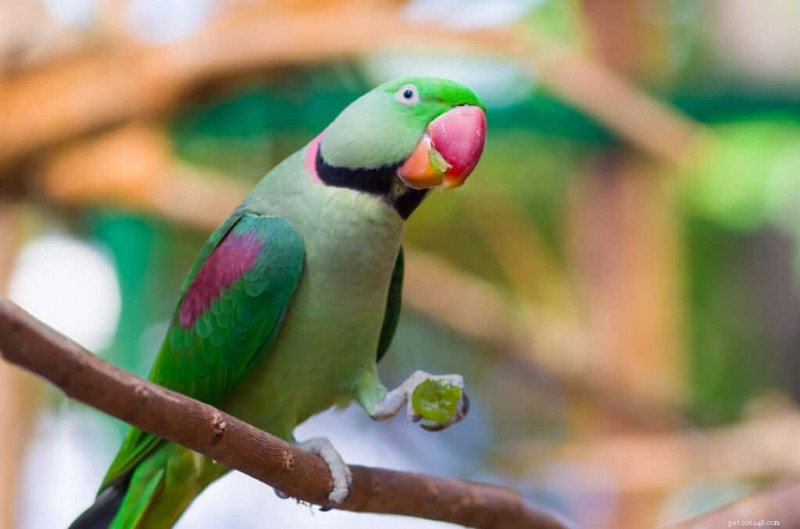
Can My Parrot Eat Grape Seeds?
Grape seeds are rich in antioxidants and are perfectly safe for parrots to eat. Many birds even enjoy pulling the seeds out of the fruit. If you offer grape leaves or vines, ensure they have been cleaned first, as they can also be safe when free of pesticides.
Why Too Many Grapes Can Be Harmful
Grapes contain high levels of fructose. While fructose is natural, a bird’s digestive system can struggle to process large amounts, potentially leading to:
- Digestive discomfort and looser stools
- Metabolic issues such as liver strain or weight gain
- Increased risk of cardiovascular problems over time
Managing Fructose Intake
Because the effects of fructose are not unique to grapes, it’s best to keep fruit servings limited. A small handful—roughly 2–3 grapes—once or twice a week is a prudent guideline.
Health Benefits of Grapes in Moderation
When fed responsibly, grapes provide valuable antioxidants, vitamins, and hydration that support a parrot’s immune system and eye health. Their natural sweetness also makes them an enjoyable treat.
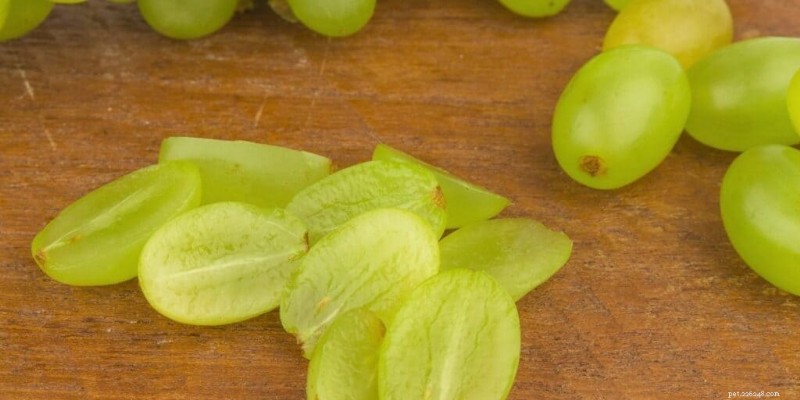
Tip: Wash and cut grapes in halves or bite‑sized pieces. Smaller portions are easier for small beaks to handle and help prevent overconsumption.
How to Serve Grapes Safely
1. Wash grapes thoroughly with a fruit‑cleaner or vinegar solution.
2. Cut them into halves or bite‑sized pieces.
3. Offer no more than a small handful at a time, no more than twice per week.
4. Mix grapes with other low‑sugar fruits like cucumber or banana to reduce overall sugar load.
5. Remove any uneaten grapes promptly to avoid spoilage.
Conclusion
Grapes can be a delightful addition to a parrot’s diet when served in moderation and with proper preparation. By cleaning them well, limiting portions, and monitoring your bird’s response, you can enjoy sharing this tasty treat without compromising your feathered friend’s health.
- Understanding Your Dog’s Cancer Treatment: Goals, Options, and What to Anticipate
- Why Dogs Tilt Their Heads: The Science Behind the Curious Behavior
- Why Your Dog's Bad Breath Is a Serious Health Concern
- Natural Canine Detox: Safe, Proven Ways to Boost Your Dog's Health
- Premium Cat Hair Brushes: Grooming Essentials for Healthy Coats
- Do Cats Sweat? Understanding Their Cooling Mechanisms
- Boots Survives 14 Shotgun Wounds: Cats Protection Staff Rescue and Recover Tortoiseshell Cat