

What Is a Group of Swans Called? Discover the Correct Collective Nouns
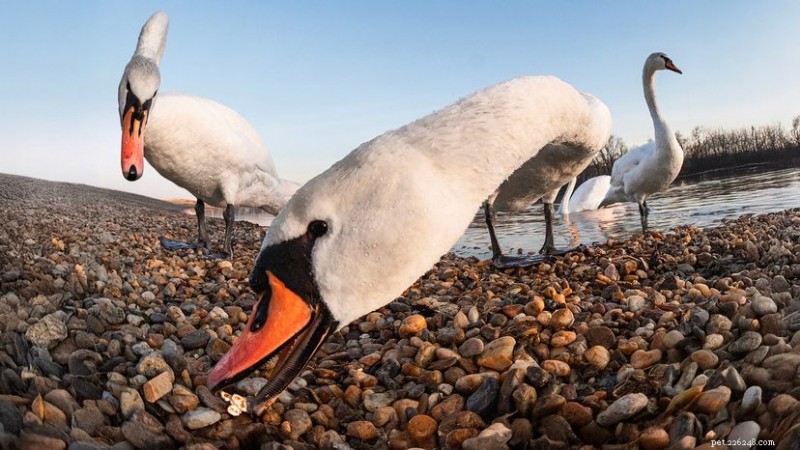
When you see a cluster of elegant swans gliding across a lake, you might wonder: what do we call that group? English offers several precise terms that reflect where the birds are and what they’re doing.
Bevy – The Classic Term for Swans on Land or Water
In most contexts, a group of swans resting, feeding, or simply gathering on shore or on the surface of a lake is a bevy. This term is widely recognized in dictionaries and field guides. It captures the graceful, almost choreographed rhythm of swans’ movements, whether they’re sipping water or waddling beside one another.
Flight – Swans in the Sky
When swans take to the air, the collective noun shifts to a flight. Whether they’re migrating south for the winter, moving between feeding grounds, or simply soaring, the term applies. Many swans fly in a V‑formation, which conserves energy and reduces wind resistance, a strategy observed in both tundra swans and Bewick’s swans.
Brood – Family Units with Young Swans
Smaller, family‑focused groups, especially a pair of parents with their cygnets, are often referred to as a brood. Near nesting sites in spring, this term is common when the young remain close to their parents. Swans are fiercely territorial, and male swans will defend feeding areas against other birds and even larger animals that venture too close.
Species Do Not Alter the Collective Noun
Regardless of the species—be it the mute swan (Cygnus olor), the trumpeter swan (Cygnus buccinator), the black swan (Cygnus atratus), or the whooper swan (Cygnus cygnus)—the collective noun remains the same. A group on land is a bevy, a group in flight is a flight, and a family unit is a brood.
Why So Many Collective Nouns Exist
Collective nouns evolve from observation and storytelling. As early naturalists watched birds behave, they coined terms that reflected shape, sound, or behavior. Swans’ unique movements on water, land, and in the air led to distinct names that differentiate them from crows, parrots, hawks, and hummingbirds. These terms help scientists, birdwatchers, and the general public describe swan behavior with precision.
Our article was developed with the assistance of AI tools and rigorously fact‑checked by a HowStuffWorks editor, ensuring accuracy and reliability.
- Morning Cat Meowing Explained: Why Your Feline Is Vocal at Dawn
- Understanding and Treating Yeast Infections in Dogs: Causes, Symptoms, and Solutions
- Why Did My Goldfish Die? 9 Key Causes and Prevention Tips
- Understanding Cat Hair Loss: Causes, Symptoms, and Effective Solutions
- 17 Delightful Pets Guaranteed to Brighten Your Day
- Grumpy Cat Earns $710,000 After Successful Lawsuit Over Image Use
- Eliminate Dog Odors: Proven Tips for a Fresh-Smelling Home