

What’s a Group of Turkey Vultures Called? Names by Activity
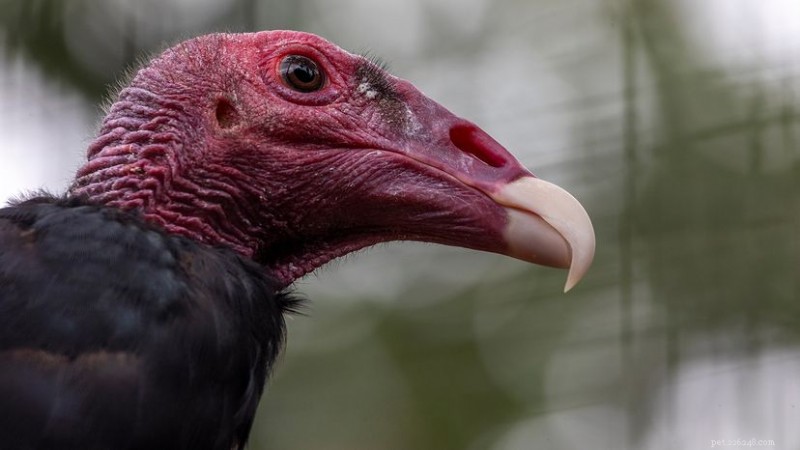
Have you ever seen a flock of turkey vultures soaring or clustered near a carcass and wondered what that gathering is called? Turkey vultures (Cathartes aura) use different collective nouns depending on their behavior—something even nature’s cleanup crew has in mind.
Collective Nouns: Committee, Wake, and Kettle
When these birds are perched on the ground or in trees, the group is known as a committee. If they’re feeding at a carcass, the term shifts to a wake. And when they circle together in the sky, they’re called a kettle. These names are shared by other large birds and vulture species.
Why Turkey Vultures Stand Out
Turkey vultures belong to the New World vulture family and are renowned for their remarkable sense of smell—a rare trait among birds. Scientists estimate they can detect the scent of carrion from over a mile (1.6 km) away, picking up the gases released as flesh decomposes.
With a wingspan that can reach 6 feet (1.8 m), their pale undersides blend with the bright sky, allowing them to glide effortlessly on thermals. This soaring technique lets them cover long distances without the energy cost of flapping.
Behavioral Differences from Other Vultures
Unlike the black vulture, which tends to fly in tighter, more coordinated flocks, turkey vultures are typically solitary or travel in loose pairs. They’ll only congregate in larger numbers when food is plentiful or during communal roosting.
Their diet consists almost exclusively of carrion. Their bald heads and highly acidic stomachs prevent parasites and disease from spreading, making them indispensable to ecosystem health.
Fun Facts About Turkey Vultures
- When threatened, they can vomit to deter predators.
- White leg markings are the result of regurgitated droppings used for cooling.
- They emit low grunts and hissing sounds rather than melodic songs.
- During migration, they’re often seen soaring in groups over September skies.
These resilient birds play a critical, if underappreciated, role across the Americas. This article was crafted with the help of AI, then thoroughly fact‑checked and edited by a HowStuffWorks editor.
- 70 Charming Names for Your New Black Labrador Retriever
- What Sets Dog Urine Apart from Human Urine? Key Differences Explained
- Addison’s Disease in Dogs: Recognizing Symptoms, Treatment Options, and Cost Overview
- Best Senior Dog Foods: Expert‑Recommended Nutrition for Older Pets
- Keep Your Dog’s Smile Healthy: How Often Should Their Teeth Be Professionally Cleaned?
- Generate Authentic Warrior Cat Names with Our Easy‑to‑Use Generator
- Havahart Wireless: Comprehensive Pet Safety Infographic