

Wild Parakeet Diet: What They Eat & How to Feed Your Pet Naturally
Wild parakeets favor green seedheads from grasses, followed by dried seed, tender roots, shoots, plant buds, and eucalypt leaves.
While a caged parakeet may seem pampered, its wild cousins lead an equally rich life. This article answers the question “What do wild parakeets eat?” and shows how those insights can improve the diet of your pet.
Parakeets are a diverse group of small, slender parrots with long tails. Over 100 species exist, but the Australian budgerigar (commonly called the budgie) is the most familiar to pet owners in North America and Europe.
The Foraged Diet of a Grassland Parakeet
Living in large, nomadic flocks across Australian grasslands and woodlands, these birds move in response to food availability and weather patterns.
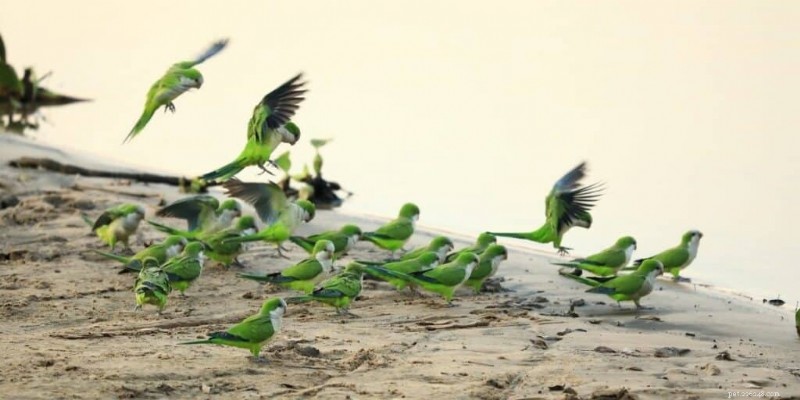
What Wild Parakeets Eat
Called the grass parakeet for good reason, they spend hundreds of miles searching for grass seed, wheat grains, and, along coastal edges, spinifex—a hardy coastal plant. They prefer green seedheads, then dried seed, and will also consume tender roots, shoots, buds, and eucalypt foliage.
Contrary to the image of a bird perched high in a tree, budgies are ground‑feeding specialists. Every day they leave their roosts and fly up to 50 kilometers to seeded grasses, where they descend and forage systematically.
As group feeders, parakeet flocks comb the grasslands en masse, using collective vigilance to locate food and warn of danger. Their peak activity occurs early to mid‑morning and again in late afternoon, seeking shade in trees during the hottest part of the day and returning to roosts at dusk.
Why Captive Parakeets Need an Active, Foraging Lifestyle
Captive breeding and hand‑fed, seed‑rich diets undermine natural instincts. Experts now emphasize the importance of environmental enrichment that mimics wild foraging, particularly the ground‑feeding behavior that defines the species.
Overweight Risks from Conventional Feeding Practices
Small cages combined with bowls of high‑calorie seed can lead to rapid weight gain and health problems. Without the effort of husking or digging for food, budgies consume excess calories—akin to a perpetual “Big Mac” meal—resulting in obesity and related complications.
Recreating Natural Forage in the Home
One seasoned breeder implemented a forage‑based feeding system that aligns with wild habits. Here are the key elements you can adapt for your own parakeet:
- Increase vertical space: Provide a taller cage so your bird can fly from perch to ground, emulating the natural flight to foraging sites.
- Encourage climbing: Add ladders or rungs that the parakeet can use to move up and down, keeping them physically active while they feed.
- Use a hay base: Lay a layer of timothy hay on the cage floor as a forage medium. Replace it regularly as the bird chews and reverts to the natural substrate.
- Hide seeds in hay: Place seed dishes deep within the hay. The bird must dig through to access the meal, fostering natural foraging behavior.
- Utilize leftovers: After a day, scatter remaining seed on the floor. This encourages the parakeet to forage for any remaining grains, reinforcing the hunting instinct.
Conclusion
Understanding the diet and foraging patterns of wild parakeets provides valuable insights for pet owners. By designing a feeding routine that encourages natural activity, you can promote better health, prevent obesity, and enrich your bird’s daily life.
- Timeless Pet Names: 111 Classic Female Dog Names
- Can Cats Safely Consume Salmon Skin? Risks, Benefits, and Feeding Tips
- Microchipping Your Pet: Essential Guide to Safety & Recovery
- Meet Gordo: The Ragdoll Star of the Week
- Skye Terrier Traits & Temperament: A Loyal & Fearless Companion
- Ragdoll of the Week: A San Diego Owner’s Journey with a Gentle Companion
- Using Cattle-Grade Ivermectin for Dogs: Risks and Considerations