

What Is a Baby Turkey Called? The Term Poultry Explained
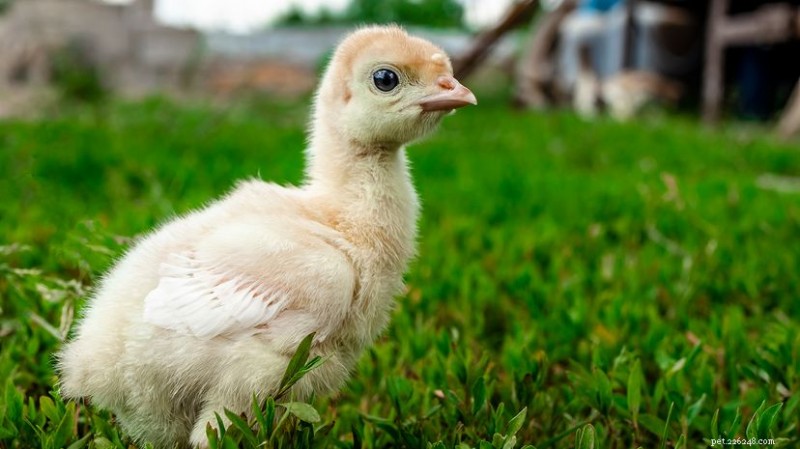
When a wild turkey takes its first steps across a field, it’s easy to overlook the fact that all those fierce adults began life as tiny, feather‑less poults. In the world of poultry science, a baby turkey is called a poult—the term you’ll encounter in breeding, wildlife, and culinary contexts.
What You Need to Know About Poults
Unlike most bird species, turkeys are precocial—they hatch with their eyes open and a full set of feathers. Within hours, a poult is alert, mobile, and ready to follow its mother. On farms, hatchery poults are kept in brooders and fed a grain‑based diet until they grow strong enough to venture outdoors.
In the wild, turkeys nest on the ground. A poult’s first 24 hours are critical: it learns to forage for insects and occasional seeds, while keeping a keen eye out for predators such as foxes and crows. Loud noises or a nearby dog can cause a poult to freeze, underscoring the importance of a protective mother or caretaker.
Within two weeks, healthy poults develop a feather coat that lets them glide short distances. By the end of the first month, they are almost fully feathered and capable of independent flight.
From Poults to Jakes, Jennies, and Mature Turkeys
As poults grow, their names evolve. Juvenile males become jakes, while young females are sometimes called jennies—though the latter is less common. Upon reaching adulthood, male turkeys are known as toms or gobblers, and females are called hens. These terms apply to both wild and domesticated birds.
Poults and the Thanksgiving Connection
Domestic turkeys raised for the holiday start life as poults as well. In commercial hatcheries, poults are reared in controlled environments until they reach market weight. Even the iconic Thanksgiving gobbler began its journey as a small poult in a hatchery before making its way to the table.
In the wild, survival rates for poults are low due to predation and environmental stressors. Understanding their early life stages highlights the resilience of these birds and the care required in both farming and wildlife management.
How Turkeys Learn to Thrive
Turkeys acquire essential survival skills—such as foraging, flight, and predator avoidance—by mimicking their mothers. A flock, or rafter, typically consists of several hens with their poults, moving as a cohesive unit. This social structure is vital for protection and learning, especially in rural regions of the United States and Mexico.
Next time you spot a turkey in the field, remember: the majestic bird you see today began its life as a tiny, ground‑hugging poult.
© 2026 HowStuffWorks. This article was reviewed by a HowStuffWorks editor for accuracy.
- Understanding Your Horse's Teeth: Types, Care, and Common Dental Issues
- Top 12 Cat Breeds for New Owners: Friendly, Low‑Maintenance, and Loving Companions
- Top 10 UK Cat Statistics Every Pet Lover Should Know in 2022
- Step‑by‑Step Guide: Connecting Litter‑Robot III to Your Samsung Galaxy Android Phone
- White vs Albino Pekingese: Key Differences Explained
- Ringworm in Dogs and Puppies: Causes, Symptoms, and Prevention
- DIY Natural Dog Shampoo: Easy Homemade Formula