

Buzzard vs. Vulture: Understanding the Key Differences
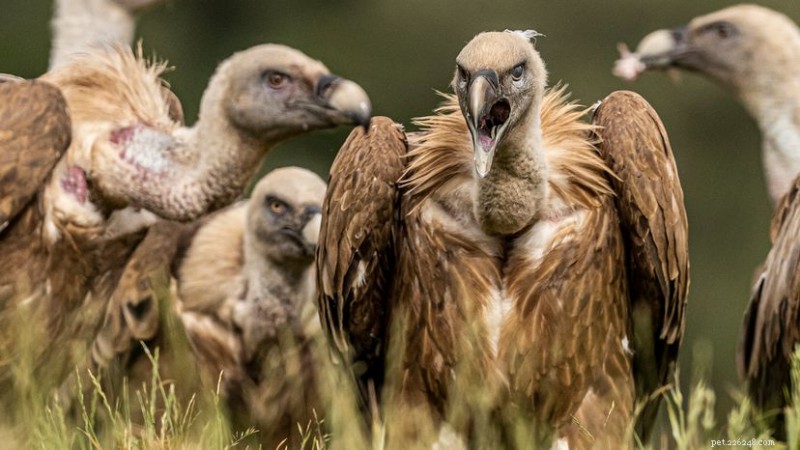
Birds of prey captivate us with their strength and grace, yet the terms “buzzard” and “vulture” can cause confusion. Although both groups contribute to ecological balance, they belong to distinct lineages and exhibit different hunting strategies.
What Are Buzzards?
In ornithology, “buzzard” is a common name for members of the Buteo genus. Classic examples include the red‑tailed hawk (Buteo jamaicensis) and the European common buzzard (Buteo buteo). In the Old World—particularly in Britain—buzzards are synonymous with hawks that soar high and hunt live prey. When early settlers crossed the Atlantic, they applied the name “buzzard” to large, soaring birds in the New World, most notably the turkey vulture. This historical overlap means that in North America the term often refers to a vulture rather than a hawk.
Species such as the rough‑legged hawk (Buteo lagopus) illustrate this naming paradox: the same bird is called a hawk in North America and a buzzard in Europe.
What Are Vultures?
Vultures split into two evolutionary branches: Old World and New World. Old World vultures (e.g., the griffon vulture) evolved from raptors and rely primarily on vision to locate carrion, whereas New World vultures (e.g., the turkey vulture, Cathartes aura, and the black vulture, Coragyps atratus) evolved from crane‑like ancestors and possess a keen sense of smell to detect rotting flesh from miles away.
Both groups have developed physiological adaptations—strong stomach acids and a robust immune system—that allow them to safely digest decaying tissue without becoming ill.
Adaptations for Survival: Buzzard vs. Vulture
While buzzards use acute vision and powerful talons to seize live prey, vultures depend on smell (New World) or sight (Old World) to find carrion. This fundamental dietary distinction drives their different hunting techniques and ecological roles.
Buzzards’ sharp beaks and talons enable them to capture small mammals and other live animals efficiently. Vultures, on the other hand, have evolved a highly acidic digestive tract that neutralizes pathogens found in decaying meat.
The Ecological Role of Buzzards and Vultures
Both groups are indispensable. Vultures reduce the spread of disease by consuming carcasses before they decompose, a service especially vital in the Americas where New World vultures are abundant. Buzzards help regulate populations of rodents and other small mammals, maintaining predator‑prey balance in their habitats.
Despite their differences, each group plays a critical role in ecosystem health. Unfortunately, many vulture species face population declines due to human activities, underscoring the need for conservation efforts (NIH).
Are Buzzards and Vultures Closely Related?
Despite superficial similarities, buzzards and vultures are not closely related. Old World vultures share ancestry with hawks and eagles, while New World vultures are more closely linked to storks. Their convergent evolution—developing similar scavenging lifestyles—has led to the confusing overlap in common names.
Next time you spot a soaring turkey vulture or a red‑tailed hawk, you’ll know exactly what sets them apart—and why you shouldn’t call the vulture a “turkey buzzard.”
This article was created with AI assistance and has been fact‑checked and edited by a HowStuffWorks editor.
- Are Feral Cats Suitable as Pets? A Comprehensive Guide
- Diagnosing and Treating Sheena the Cat’s Anemia: A Case Study
- Why Your Dachshund Has Bad Breath: Causes, Diagnosis, and Remedies
- Safe & Effective Diatomaceous Earth: A Natural Flea Solution for Cats
- Mexican Rainforest Parrots: Diversity, Habits, and Conservation Status
- Essential Blue Heeler FAQ: Everything You Need to Know About Australian Cattle Dogs
- Unraveling the Mystery: Why Cats Stare at Walls