

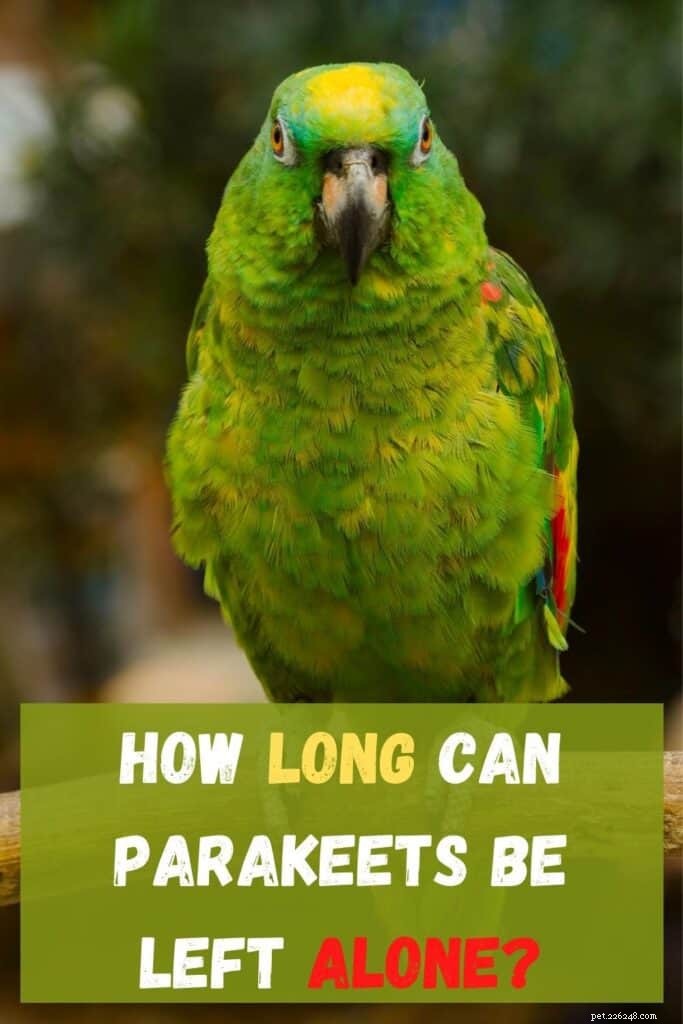
How Long Can You Safely Leave a Parakeet Alone?
When you need to step out of the house, many pet owners worry about the effects on their companions. Parakeets, with their keen social instincts and love of mental stimulation, are particularly sensitive to prolonged absence. Separation anxiety, boredom, and even physical health problems can arise if they’re left alone for too long.
Can Parakeets Be Left Alone?
Parakeets are naturally flock birds. In the wild they roost, forage, and interact with others all day. Even in captivity, they thrive on companionship—whether it’s a human, a sibling bird, or simply the hum of a room that feels alive. While they can survive brief periods of solitude, their well‑being depends on regular social interaction and enrichment.
How Long Can Parakeets Be Left Alone?
Veterinarians and experienced breeders agree that 24 hours is the absolute upper limit for an unattended parakeet. For most owners, keeping the bird alone for 6–8 hours per day is the safest and most comfortable schedule. Shorter absences (under 4 hours) are rarely a problem, provided the cage is stocked with adequate food, water, and enrichment.
- Stock ample seed and fresh water—use a seed timer or automatic feeder to prevent spills or shortages.
- Provide mental stimulation: toys, puzzles, and background music help curb boredom and reduce destructive behaviors.
- Consider a companion bird: a same‑species buddy or a different breed can offer social interaction when you’re away.
- For those planning to be away for a full day, this video guide offers practical tips.
Even with these precautions, the longer the bird is alone, the greater the risk of loneliness and stress. Therefore, limit absences to a day at most, and aim for 6–8 hours whenever possible.
Best Practices for Leaving Your Parakeet Alone
Any time a parakeet is unattended for several hours, careful preparation is essential. Below are key steps to ensure their safety and happiness.
Provide Adequate Food and Water
Fresh food and clean water are non‑negotiable. Seeds can dry out or become contaminated, and a bird that can’t find fresh water may become dehydrated. Use a water tube or a bowl that resists tipping, and keep a reserve of seed in a sealed container.
Add Safe Toys and Puzzles
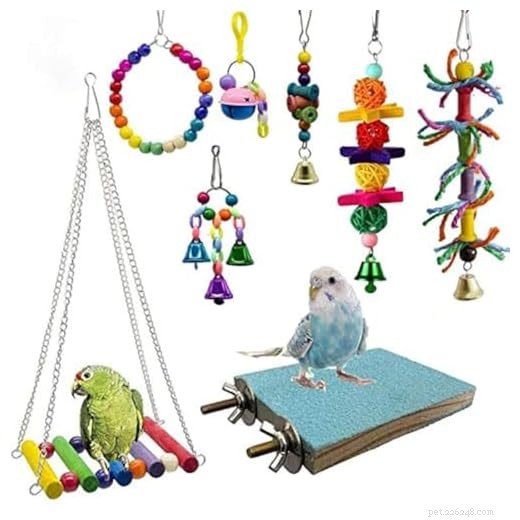
Enrichment tools like chew toys, reflective mirrors, and puzzle feeders keep a parakeet’s mind active. Ensure all items are secure—avoid dangling ropes or sharp edges that could trap or injure the bird. For inspiration, see the toy list below.
Deloky 8‑Pack Bird Swing Chewing Toys – Ideal for parakeets, cockatiels, and budgies.
Penn‑Plax Bird Life Activity Center – Large, engaging for cockatiels and parakeets.
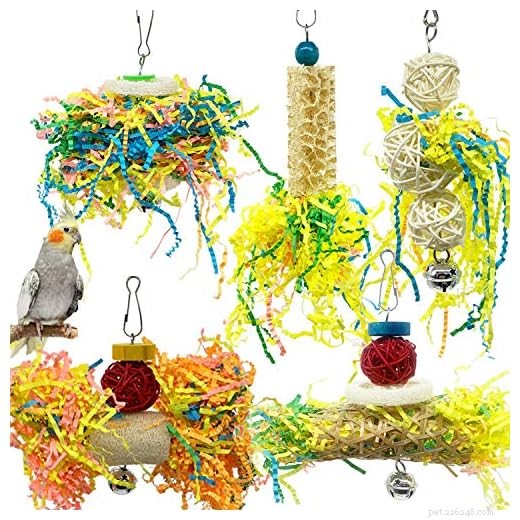
SHANTU Bird Parrots Shredding Toys – Great for chewing and foraging.
SSRIVER Bird Swing Parrot Bed Ladder – Hammock style with bell for extra stimulation.
Amazon price updated: June 9, 2026 22:42
Leverage Modern Technology
Smart speakers and home‑security cameras allow you to play music, adjust lighting, or simply check in on your bird remotely. An Amazon Echo or Google Nest can provide background chatter and even respond to your voice, giving the bird a sense that someone is nearby.
Arrange a Visitor
For absences longer than a few hours, consider asking a friend, family member, or neighbor to drop by. A house‑sitter is ideal but can be costly. Even a brief visit to refresh food, water, and clean the cage can prevent many problems.
In Summary
Parakeets thrive on companionship and mental engagement. The safest guideline is to limit unattended time to no more than 24 hours, and ideally 6–8 hours per day. By following the steps above—adequate nutrition, safe enrichment, technology support, and occasional human check‑ins—you’ll keep your bird healthy, happy, and anxiety‑free. If you can, consider adding a second caged bird; a lifelong companion reduces the need for constant human presence and enriches both birds’ lives.
- Comprehensive Guide to Caring for Your Schnoodle: Nutrition, Grooming & Health Tips
- Choosing Ideal Playmates for Your Dog
- Why Free-Feeding Your Dog Can Harm Their Health: 5 Key Reasons
- Keep Your Dog Happy and Healthy: Essential Tips for Mental Stimulation
- Red‑Nose vs. Blue‑Nose Pit Bulls: Key Differences Explained
- Why Cats Pick Us as Their Favorite People: The Science of Their Attachment
- Top 10 Dog Breeds Ideal for First-Time Owners