

Emu vs. Ostrich: Size, Speed, and Habitat Showdowns
Discover the key differences between emus and ostriches, two of the world’s largest flightless birds. From height and speed to feather structure and nesting behavior, learn how each species is uniquely adapted to its environment.
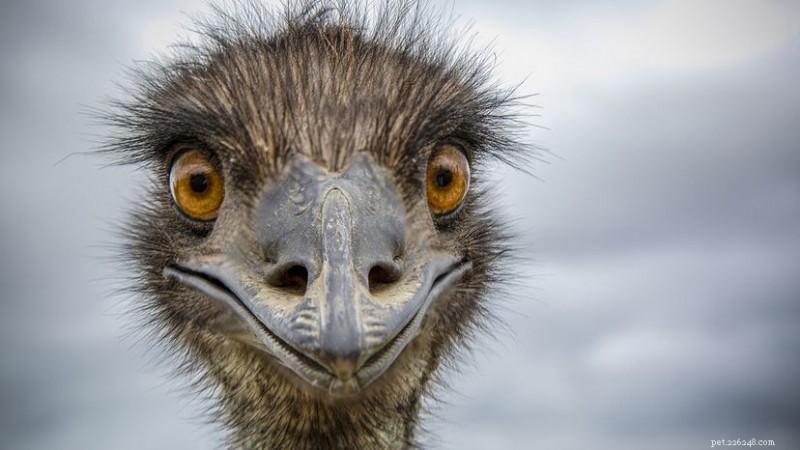
Size and Speed
The common ostrich is the tallest bird, standing up to 9 feet (2.7 m) and weighing over 300 pounds (136 kg). Male ostriches display striking black‑and‑white plumage, while females are generally a muted brown. Despite their bulk, they can sprint at speeds of up to 60 mph (96.6 km/h) in short bursts.
Emus are slightly smaller, reaching about 5 feet (1.5 m) tall and weighing between 80 and 130 pounds (36–59 kg). Their long legs allow them to reach a top speed of roughly 30 mph (48 km/h). Both species rely on these running abilities to evade predators.
Feathers and Appearance
Ostrich feathers are loose, fluffy, and lack the stiff structure needed for flight, giving them a shaggy look that helps regulate body temperature in hot, dry habitats. The Somali ostrich sports a distinctive blue neck and legs, whereas the common ostrich has pinkish skin.
Emus feature a muted brown‑gray plumage that blends into the Australian outback. They share similar coloration between sexes. Unlike ostriches, which have two toes per foot, emus have three, providing greater stability on uneven terrain. Ostrich feet are built for speed, with powerful claws that can be used defensively.
Eggs
Ostriches lay the largest eggs of any bird, weighing up to 3 pounds (1.4 kg) and possessing a thick, robust shell. Male ostriches often incubate the eggs and guard the nest at night.
Emu eggs are smaller but share a dark green hue that camouflages them from predators. While both sexes share nesting duties, the male emu typically takes the lead in incubation and chick rearing.
Behavior and Habitat
Ostriches are social birds, forming large flocks that provide collective protection. They inhabit African savannas and deserts, with the Somali ostrich favoring arid regions and the common ostrich found across a wider range of African landscapes.
Emus are more solitary, occasionally grouping loosely when food is plentiful. They thrive across Australia’s diverse environments, from forests to grasslands.
We crafted this article with AI assistance and then had it fact‑checked and edited by a HowStuffWorks editor to ensure accuracy.
- Turn Your Purse Into a Stylish, Secure Dog Carrier – Easy DIY Guide
- Write a Poem to Fund Bedford & Biggleswade Cats Protection – Enter Our Poetry Contest
- The Ultimate Guide to Choosing Safe, Health‑Boosting Organic Dog Treats
- Are Twizzlers Safe for Dogs? Vet-Approved Insights
- Homemade Senior Dog Food Recipe: Nutrient‑Rich Meals for Aging Pups
- Choosing a Protective Dog: 6 Key Factors to Evaluate
- Top Quiet Pet Birds for Low‑Noise Homes