

Should Cockatiels Be Covered at Night? A Practical Guide for Owners
Cockatiels are naturally diurnal birds, thriving on daylight and bright surroundings. While a brief cover can aid a short nap, leaving them in darkness during daylight hours can disrupt their natural rhythm and stress them.
At night, however, many cockatiels prefer a cover. The preference varies by individual, so experimentation is key.
About the Cockatiel
One of the most beloved pet birds, the cockatiel stands out with its striking yellow crest and playful personality. They typically feature a cinnamon or yellow body with a peach‑colored blush on each cheek. These birds bond deeply with attentive owners, can learn simple words, and enjoy chirping and talking.
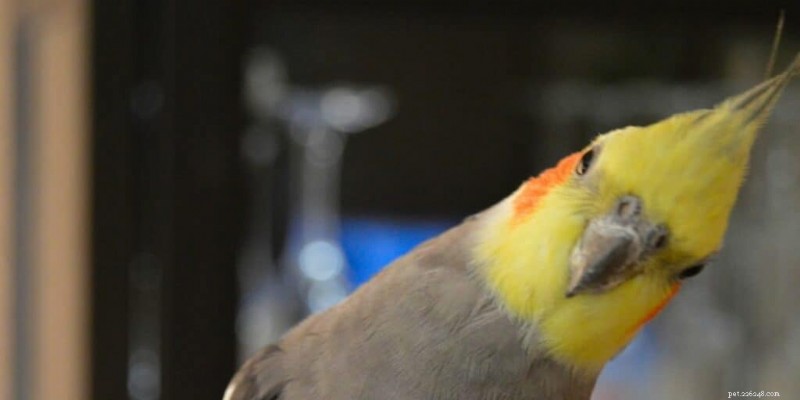
Dietally, cockatiels should receive 25% seeds and 75% high‑quality pellets, supplemented with fresh fruit such as apples, blueberries, and kiwis. This balanced approach supports their overall health and keeps them lively.
Socially, cockatiels are friendly with people and other birds, making them a charming addition to any home.
Should Cockatiels Be Covered at Night?
The decision hinges on your bird’s personality. Some cockatiels find comfort in darkness and enjoy a cover that mimics a cozy sleeping environment. Others thrive with a gentle nightlight or no cover at all and may even experience nighttime anxiety if left in complete darkness.
It’s best to try both options—cover, nightlight, or neither—and observe your bird’s behavior. They’ll let you know what feels most natural.
What Can a Cockatiel Cage Cover Do?
A well‑designed cage cover signals to your bird that it’s bedtime, helping to establish a consistent sleep cycle. Without it, cockatiels might chirp through the night, disrupting your rest.
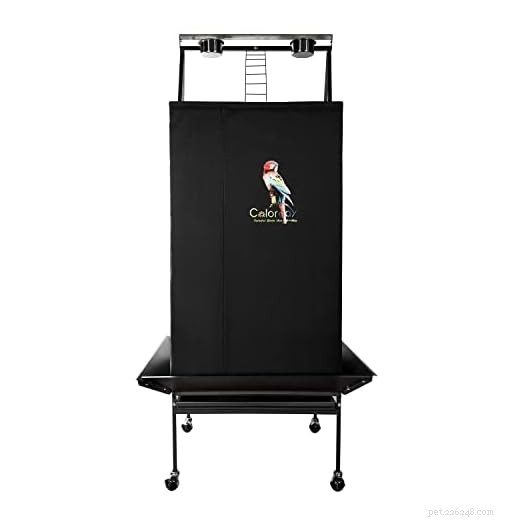
Colorday Good Night Bird Cage Cover for Large Bird Cage with Play Top (Patented), Black 68"
In stock.
Amazon.com
Amazon price updated: June 9, 2026 16:42
How to Properly Use a Cockatiel Cage Cover (Important)
- Follow a consistent schedule. Cockatiels rely on natural light cues for sleep. Aim to cover the cage between 8:00 PM and 11:00 PM each night.
- Allow daytime naps. Cockatiels sleep frequently. If your bird seeks a nap, place the cover over the cage in a quiet area and let them rest.
- Wake gently. Abruptly waking a cockatiel can cause stress. Use a soft voice and gentle taps on the cover if needed.
Choosing the Right Cage Cover
- Material. Opt for breathable fabrics like cotton to prevent overheating and ensure adequate airflow.
- Color. Dark shades such as black, navy, or charcoal block light effectively and create a calming environment.
- Size. Ensure the cover fits snugly over your cage, covering the entire area without leaving gaps.
How Much Sleep Do Cockatiels Need?
Like many avian species, cockatiels require ample rest. On average, they sleep 11–23 hours per day. Placement of the cage in a quiet, low‑noise area is essential for quality sleep.
Cover Cockatiels Only at Night (Never During the Day)
Covering a cockatiel during daylight can be detrimental. While a short nap cover is acceptable, prolonged coverage during the day can disrupt their mood and health. Wait until nighttime—ideally after 8:00 PM—before deploying the cover.
Ultimately, the choice to use a cover should reflect your individual cockatiel’s preference. Some enjoy a bit of light; others prefer complete darkness. Always ensure the cover is breathable and use it only during the night or for brief daytime naps.
- Understanding Cat Megacolon: Causes, Symptoms & Effective Treatments
- Why Does My Cat Follow Me Everywhere? Understanding Their Attachment and Safety Needs
- 5 Proven Natural Remedies to Relieve Your Dog’s Allergies
- Healthy Homemade Dog Food for Safe Weight Gain
- 10 Long‑Lived Dog Breeds That Thrive Over 16 Years
- 200 Stunning Names for Your Black Dog
- Acupuncture for Cats: Proven Benefits and How It Works