

Are Your Budgies Playing or Fighting? Key Signs to Spot
If the cage becomes noisy, you might wonder whether the squawks and flapping are healthy play or escalating conflict. Understanding budgerigar behavior is essential to meet their needs and maintain a harmonious home.
How Budgies Play Together
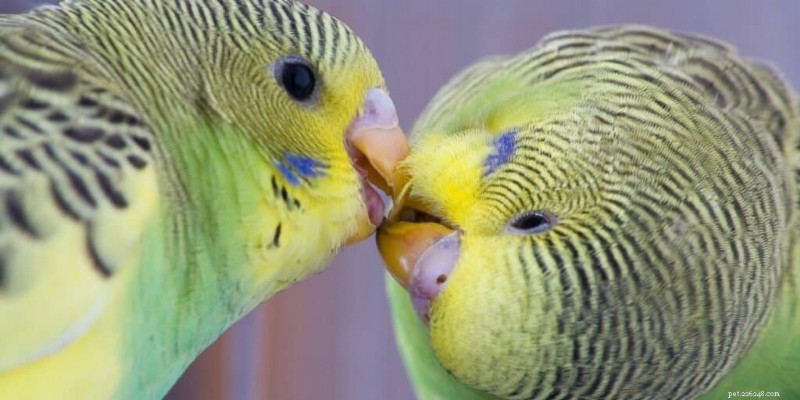
Friendly budgies exhibit clear, affectionate behaviors that are easy to recognize. Typical signs of play include:
- Sitting close together
- Beak touching – a natural bonding gesture in birds
- Mutual grooming and preening
- Chirping, bobbing, and singing together
- Seed regurgitation – one budgie offers food to another
- Gentle scratching or nibbling – affectionate contact that can also occur during social grooming
- Cooperative perching and flying from one spot to another
These interactions mirror the social dynamics of large wild flocks, where cooperation is vital for survival.
Key Signs of Aggression in Budgies
- Hissing – a clear warning signal meaning “back off.”
- Wing raising – displays intended to appear larger and intimidate.
- Persistent chasing – continuous pursuit is a red flag for conflict.
- Dominating food or water – monopolizing resources can spark fights.
- Perch hogging – guarding a perch aggressively often escalates tension.
- Feet pecking or biting – direct physical aggression used to dislodge an opponent.
- High‑volume screaming or squawking – intense vocalization typically indicates a fight.
- Collisions on the floor – if both birds hit the cage floor, intervention is urgent to prevent injury.
Can Budgies Live Together?
Despite occasional conflicts, budgerigars thrive in social groups. In the wild, they flock in hundreds, and domesticated pairs of any sex generally remain content. Male–female pairs may display more dramatic behavior, especially during breeding season, which can even lead to baby budgies.
What Triggers Budgie Aggression?
While aggression is uncommon, several factors can ignite conflict. Common triggers include:
- Territoriality – a dominant bird may become territorial when a newcomer arrives.
- Feeling threatened – defensive attacks can occur if a bird perceives intrusion.
- Reproductive hormones – mating instincts amplify territorial and aggressive behaviors.
- Health issues – illness can reduce patience and trigger fighting as a sign of distress.
- Molting – this natural cycle can be stressful and provoke aggression.
- Sleep deprivation – lack of restful sleep due to noise or light can lower a budgie’s tolerance.
- Boredom and frustration – insufficient stimulation leads to frustration, often directed at a companion.
Effective Strategies to Reduce Budgie Aggression
Addressing aggression usually involves identifying and mitigating underlying causes:
- Schedule a veterinary check‑up if aggression is new or worsening.
- Assess cage size – a cramped environment can trigger fights. Consider a larger cage or additional perches.
- Add enrichment – toys, foraging puzzles, and rotating perches maintain mental stimulation.
- Provide a quiet, dimly lit environment at night. Use a cage cover to block excessive light and sound.
- Introduce new birds gradually; monitor interactions closely during the first weeks.
- If conflict persists, consider separating the birds or rehoming one to ensure safety.
Conclusion
Observing your budgies’ body language and behavior is the first step toward a peaceful flock. With patience, proper housing, and routine enrichment, most aggression can be managed, leading to a calmer, happier cage.
- Why Ferrets Steal: 4 Key Reasons & How to Stop the Habit
- Understanding Australian Shepherd Barking: Causes, Prevention, and Training Tips
- Essential Cage Requirements for Healthy Tarantula Care
- The Seven Most Expensive Pet Birds – Which Would You Choose?
- Cavoodle Guide: The Ideal Family Companion Dog
- Where Dogs Love to Be Petted: A Guide to Proper Dog Petting
- Scientific Study Confirms Cats Prefer Boxes—Even When It's an Illusion