

Why Mirrors Can Harm Parrots — Expert Guidance & Safer Alternatives
Mirrors and parrots are a problematic combination
Many owners notice their bird staring at shiny surfaces—mirrors, chrome appliances, even windows. It may seem harmless, but this behavior can quickly become harmful.
Parrots cannot distinguish a reflection from a real companion. The result is a fixation that can disrupt their social life, mental health, and even their safety.
In this article, we explain the risks of mirrors for parrots and recommend proven, engaging alternatives that keep your feathered friend happy and healthy.
How a Parrot Reacts to Its Reflection
Online forums are full of distressing stories: a parrot becomes obsessed with a mirror, attacks it, or refuses to leave the room. Once a bird starts chasing its reflection, the behavior is difficult to break, and the animal often attacks or bites the glass.
Parrots spend countless hours trying to interact with a silent “bird” that doesn’t respond. This fixation can consume the bird’s energy, leaving little time for natural activities.
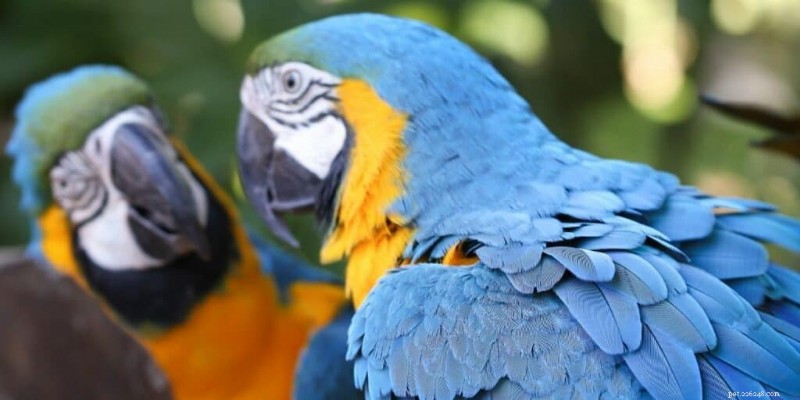
Can Parrots Recognize Their Own Image?
Research on avian self‑recognition is inconclusive. Most parrots treat the mirror as another bird, leading to confusion and frustration when the image does not produce sound or movement.
The Consequences of Mirror Addiction
Attachment to a reflection can erode the bond you share with your pet. Parrots may develop jealousy, aggression, or territoriality toward the mirror image, which can trigger a cycle of defensive behaviors and heightened stress.
In severe cases, a parrot may attack the mirror itself, injuring its feathers or eyes. The repeated exposure can also cause chronic anxiety and loss of interest in real-world stimuli.
Preventing Mirror‑Related Issues
The best defense is to keep reflective surfaces out of reach. If a bird has already developed a fixation, redirect its focus with interactive enrichment.
Parrots are highly intelligent—cognitive levels comparable to great apes—so they require stimulating play. Introduce new toys, use puzzle feeders, and engage in regular conversation to satisfy their mental needs.
For solitary species, consider a second companion to reduce loneliness. Alternatively, train the bird to enjoy solo activities so it does not rely on constant human attention.
By removing mirrors and enriching your parrot’s environment, you’ll foster a healthier relationship and a happier, more balanced pet.
- The Intelligence of Chinchillas: What Every Owner Should Know
- 10 Remarkable Albino Animals and Their Unique Features
- If Your Dog Swallows a Toy: Immediate Steps & Vet Guidance
- Resolving Conflict Between Your Dogs: Why They Fight and How to Fix It
- Holistic Stress Management for Dogs: A Proven Approach for Health and Happiness
- Discover 7 Proven Benefits of Doggy Daycare for Your Pet and Family
- Spot the Hidden Venomous Snake: A Brain Teaser from a Snake Biologist