

Top 5 Pet Finches: Expert Care & Selection Guide
Finches are among the most beloved companion birds worldwide. Though they don’t talk or perform tricks, their vibrant plumage, lively songs, and swift movements make them a joy to watch. With a modest price tag and low maintenance, they’re an ideal choice for first‑time bird owners.
Below is a carefully curated list of the five most popular pet finches, selected from sales data, avian‑society surveys, and the experiences of seasoned breeders. Whether you’re looking for a colorful roommate or a hardy bird, this guide will help you choose the best finch for your home.
- Zebra Finch
- Gouldian Finch
- Bengalese (Society) Finch
- Cut‑Throat Finch
- Plum‑Headed Finch
1. Zebra Finch
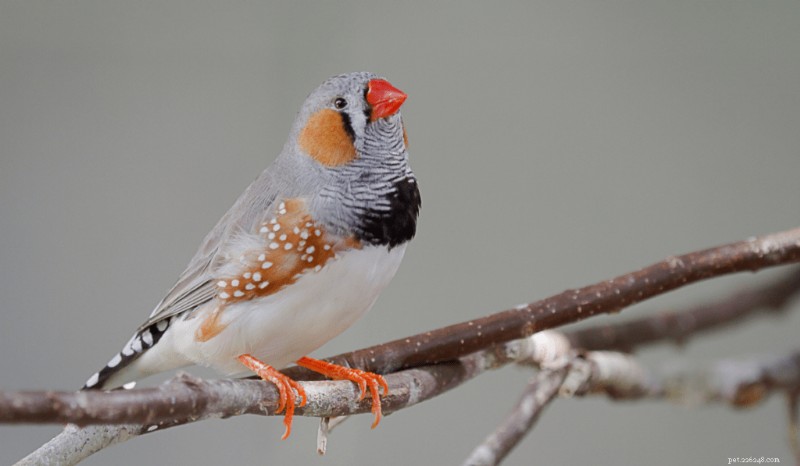
The Zebra Finch is a compact, round bird featuring a gray body, orange legs, and a striking tail striped with white and black—hence the name. Males display orange cheek patches and a prominent “teardrop” line under the eye, adding to their distinctive look.
Native to Central Australia and Timor, these finches have been introduced to Puerto Rico and Portugal. They thrive in cages that offer ample flight space, with a sand or loose‑sand base for natural bathing. A daily lukewarm bath bowl and a separate water bowl are recommended. As with all finches, provide a grit feeder, cuttlebone, and a high‑quality seed mix.
Although zebra finches are relatively independent and enjoy being observed from afar, they are highly social and flourish best in pairs or small groups.
2. Gouldian Finch
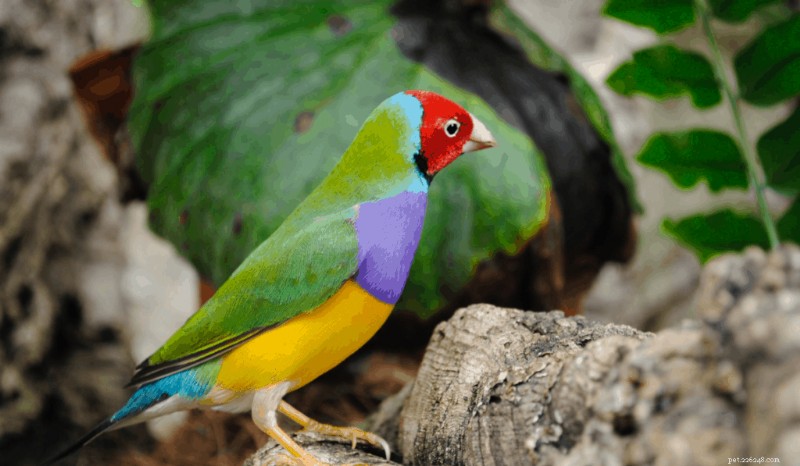
The Gouldian Finch, also called the Rainbow Finch, is celebrated for its kaleidoscopic plumage—rich indigo, turquoise, scarlet, and yellow hues that paint a living canvas. John Gould named it after his wife, Elizabeth, in 1840.
These Australian natives require a spacious cage or outdoor aviary. Their diet mirrors that of other finches: a balanced seed mix, grit, cuttlebone, charcoal, and a lukewarm bath. Handle them with care; stress can be fatal.
Gouldian finches are the most expensive of the group but are prized by collectors for their color and elegance.
3. Bengalese (Society) Finch
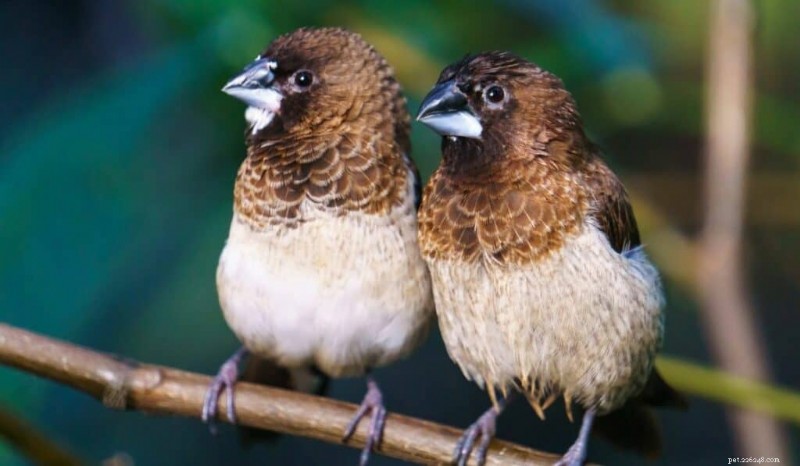
The Bengalese Finch, often referred to as the Society Finch, is a domesticated breed that never occurs in the wild. Developed from the white‑rumped munia, they come in a spectrum of colors: fawn, brown, albino, gray, and pearl.
Males are easily identified by their energetic displays—dances, struts, and vocalizations aimed at females and rivals. They prefer a spacious cage with floor grit, cuttlebone, and a water bowl for bathing.
These finches coexist peacefully with zebra and Gouldian finches but are strictly hands‑off; handling can cause severe stress.
4. Cut‑Throat Finch
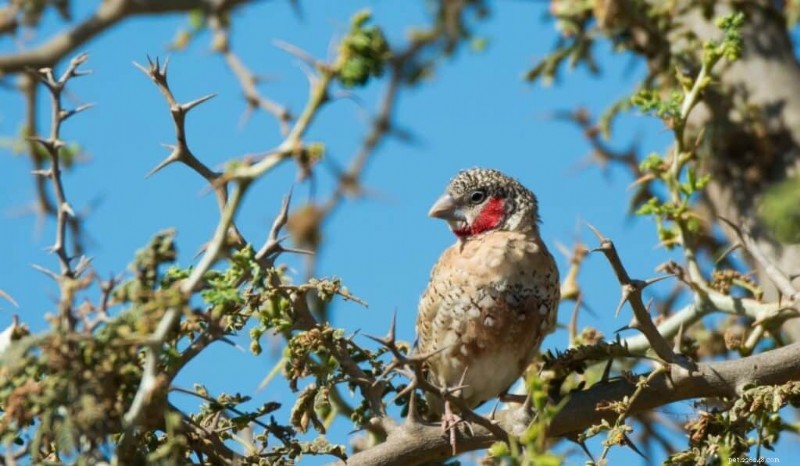
The Cut‑Throat Finch, also known as the Bearded or Ribbon Finch, is named for the bright ruby stripe across its throat. Their mottled brown and white plumage gives them a rugged look.
Because they are prone to obesity, keep their diet lean—seed mix and fresh grasses. Provide ample cage space and avoid over‑crowding to prevent stress and aggression during breeding.
Native to arid regions of Africa, they appreciate a clean, chemical‑free bathing bowl. They are best kept in compatible flocks to reduce conflict.
5. Plum‑Headed Finch
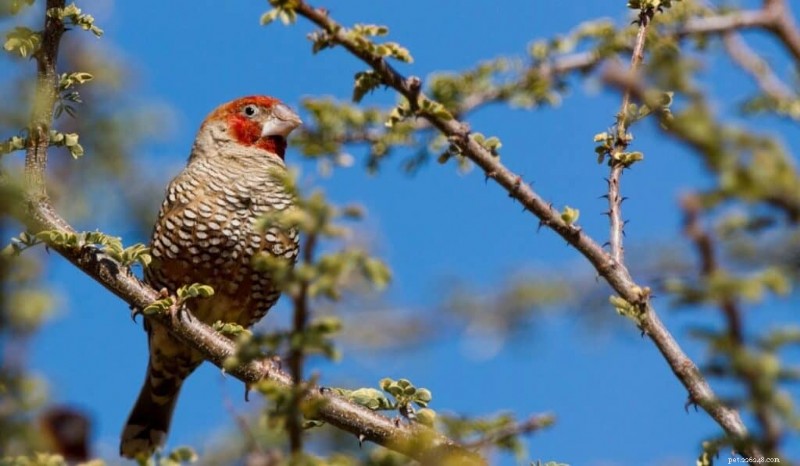
The Plum‑Headed Finch offers subtle elegance with a reddish‑purple cap and fine chest barring. Though not as flashy as its cousins, it is exceptionally gentle.
Feed them a mix of winter grass, Johnson grass, and summer grass, supplemented with shell grit, cuttlebone, and charcoal. Some owners add a crushed goat mineral block for extra nutrients.
Unlike other finches, Plum‑Headed Finches often approach for food and can tolerate gentle handling, making them ideal for first‑time owners.
Cage and Care Essentials
All five finch species thrive in large cages or outdoor aviaries that allow for flight and social interaction. A minimum of 12–15 inches per bird is recommended. When choosing a cage, consider models such as the YAHEETECH 52‑inch Cage (available on Amazon) or the Prevue Huge Indoor Aviary for higher budgets.
Key features: wire bars spaced no wider than ½ inch, multiple perches of varying diameters, nesting boxes, and secure, weather‑proof construction for outdoor setups. Insulate winter cages with extra bedding to keep birds warm.
Final Thoughts
Each of these finches can coexist peacefully in a shared environment, provided you maintain adequate space and monitor for aggression. Zebra and Bengalese finches are budget‑friendly—under $10 each—while Gouldian finches command a premium due to their color and rarity.
With the right cage, diet, and gentle handling, any of these finches can become a delightful, low‑maintenance companion that brings color and melody to your home.
- Ketogenic Dog Food Recipe: Benefits, Risks, and Veterinary Guidance
- Can Dogs Safely Eat Butter? Moderation & Health Tips
- How Long Do Red‑Eared Sliders Live? Expert Guide to Their Lifespan
- How to Train Your Cat to Use a Cat Flap: Simple, Effective Steps
- Ragdoll Cat Breed Profile: Traits, Care, and Why They’re Loved
- Master Your Dog’s Self‑Control: Proven Training Techniques for Calm, Confident Canines
- How to Tell If Your Dog Truly Loves You