

How Much Does an African Grey Parrot Cost? A Comprehensive Guide to Pricing and Ownership
African Grey Parrots are renowned for their exceptional intelligence, social grace, and deep emotional connection with humans. These traits make them highly sought after, but also explain why they come with a higher price tag compared to many other pet birds.
Species Overview
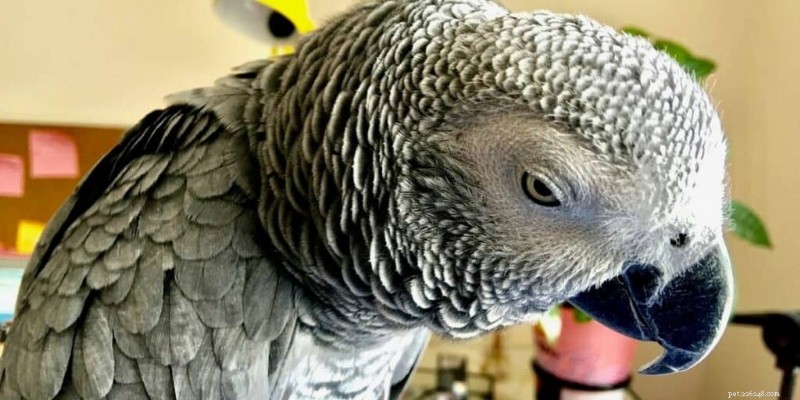
There are two primary types of African Greys: the Congo (African Grey) and the Timneh. The Congo is larger and sports a completely black beak, while the Timneh is smaller with a distinctive brown‑and‑red beak. Because the Congo is more widely bred, it is generally more affordable than the Timneh.
What Influences the Cost?
Pedigree
Genetic lineage plays a major role. Birds with a clear, reputable pedigree—often verified through DNA testing or immune profiling—can command higher prices. Breeders also check for purebred status to avoid cross‑breeds that may carry undesirable traits.
Age
Juvenile birds are typically priced lower but require substantial initial care and a varied diet to support growth. Older parrots cost less upfront, yet they may need more regular veterinary checks to manage age‑related health issues. Gender does not affect the purchase price.
Licensing and Permits
Many states regulate exotic bird ownership. You may need a permit, and a veterinary health certificate, which can cost from $20 to $100 depending on the clinic. Failure to comply can result in fines or, in extreme cases, euthanasia.
Housing
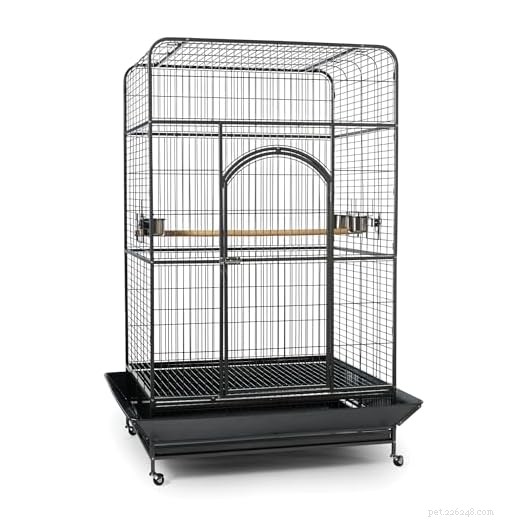
A safe, spacious cage is essential. A stainless‑steel, large cage—such as the Prevue Pet Products Empire Bird Cage, X‑Large, Black Hammertone, 46" L x 36" W x 78 1/4" H—offers durability and easy cleaning. Consider a cage with horizontal bars for climbing and a detachable base for waste removal. Used cages can reduce costs, but ensure they are clean and structurally sound to prevent infections like Psittacine Beak and Feather Disease (PBFD).
Food and Nutrition
Diet is a major recurring expense. A balanced menu should include high‑quality seeds, fresh fruits, vegetables, nuts, and a calcium supplement to prevent metabolic bone disease. Avoid over‑reliance on commercial feeds; diverse, natural foods reduce long‑term costs and improve health.
Hygiene and Grooming
Regular nail trimming and feather maintenance are essential. Simple feather and nail trimmers can cost $10‑$30, while an electric nail grinder—ideal for larger budgets—provides quiet, efficient care. These tools help maintain balance and prevent injury.

Casfuy Dog Nail Grinder Upgraded – Professional 2‑Speed Electric Rechargeable Pet Nail Trimmer Painless Paws Grooming & Smoothing for Small Medium Large Dogs…
in stock
Amazon price updated: June 10, 2026 06:42
Budget Snapshot
Initial purchase: $1,900–$4,500 (Congo typically $1,900–$3,200; Timneh $2,500–$4,500). Housing: $300–$800. Food and supplements: $200–$400/month. Licenses: $20–$100 annually. Grooming tools: $20–$60. Annual vet check: $150–$300. Total first‑year cost can range from $3,500 to $7,000, with ongoing monthly expenses of $250–$400.
Conclusion
Owning an African Grey Parrot is a rewarding yet substantial commitment. While the upfront purchase may seem high, the bulk of the budget goes toward nutrition, housing, grooming, and healthcare—elements that ensure a healthy, happy companion. Understanding these factors can help prospective owners budget accurately and provide the best possible care for this remarkable bird.
- Shih Tzu Dog Breed: Characteristics, Care, and Training Tips
- Why Dogs Are Drawn to the 'Kissing' Sound: A Scientific Explanation
- 8 Expert Tips for a Smooth Pet Adoption Journey
- Train Your Dog to Stay Calm Around Guests: Simple, Effective Tips
- Golden Retriever Husky Mix (Goberian): 11 Key Facts You Need to Know
- Diet of Jumping Spiders: Wild Habits & Pet Care
- Ragdoll Kitten Adoption: When to Bring Your New Feline Home