

Black Palm Cockatoo Cost Explained: Why These Majestic Birds Are So Expensive
Black palm cockatoos are strikingly regal, with deep black or gray plumage and a commanding presence. Their natural vocalizations make them engaging companions.
Owning one can be a thrilling experience, but the price tag often makes buyers pause. Let’s explore the factors that drive these costs.
Black Palm Cockatoo Price
A black palm cockatoo typically costs $15,000 or more, with the U.S. average around $16,000.
Adult birds command the highest prices. Babies are less expensive, and older birds can sometimes be found at lower rates.
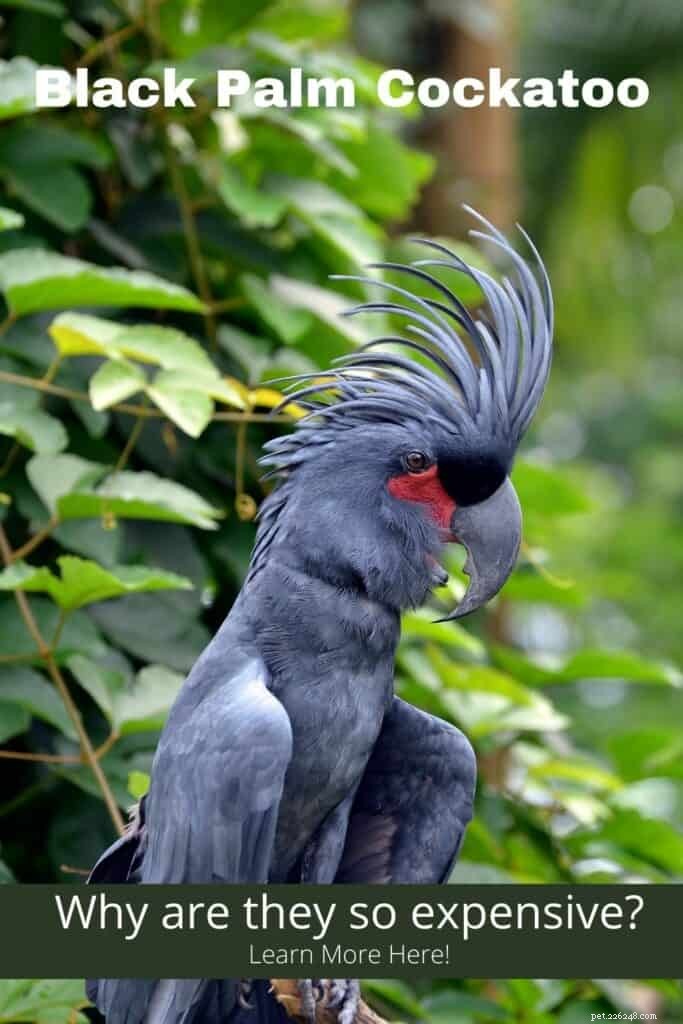
When searching for a palm cockatoo, be cautious of steep discounts. A bargain may hide underlying issues—loudness, health problems, or temperament challenges—that can affect the bird’s welfare.
Before committing, verify the bird’s health and history, and consider the potential long‑term costs of care.
These costs are stark when compared to other cockatoo species, which usually range from $1,000 to $3,000 depending on age and breed.
Given the $16,000 price tag, it’s clear that several factors contribute to the high cost.
Why Are Palm Cockatoos So Expensive?
Here’s what makes these majestic birds command such a premium.
They Are a Rare Species
Black palm cockatoos are one of the world’s rarest parrots. Declining populations—driven by hunting and habitat loss—have pushed them toward endangerment.
Because supply far outstrips demand, the market price rises. Most available birds are now bred in controlled environments, limiting natural encounters and driving up cost.
Maintenance Costs
These birds are high‑maintenance. Start‑up expenses often exceed $20,000 before food and routine care are factored in.
As the largest of the cockatoo family, they consume significant amounts of high‑quality diet and are picky eaters. Medications and preventive care can add thousands of dollars over their lifetime.
Breeders incorporate these recurring costs into the final price, especially if they aim for a profit margin.
They Are Slow Breeders
Black palm cockatoos lay one egg per year—or even every other year. Incubation takes about a month, and fledglings need roughly 100–110 days to reach maturity.
Low reproductive rates mean new birds enter the market infrequently, keeping supply tight and prices high.
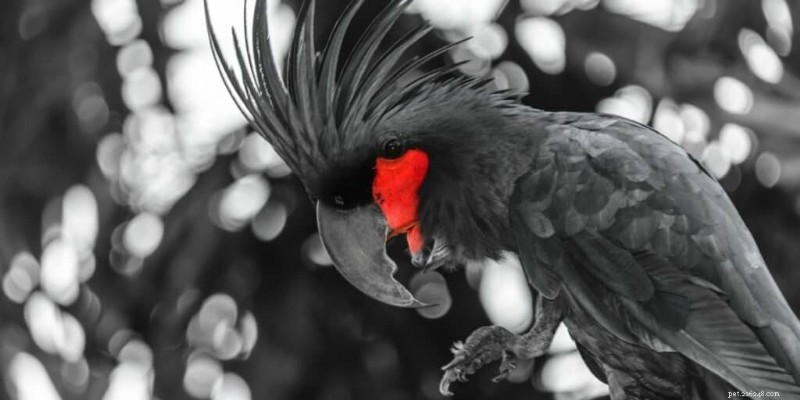
Long Lifespan
These parrots can live up to 60 years, with some individuals surpassing 90. Such longevity turns ownership into a long‑term investment.
Emotional Investment
Beyond the monetary cost, owning a black palm cockatoo demands substantial time and emotional commitment.
They thrive on interaction, often spending two hours outside the cage daily, and many suffer from separation anxiety.
In return, they offer unparalleled companionship and advanced vocal abilities that make them fascinating conversational partners.
Where Can I Find a More Affordable Black Palm Cockatoo?
While bargains can be tempting, they often come with hidden challenges. Checking animal rescue shelters may yield a bird in need of a home at a lower price.
Regardless of the source, conduct thorough research and secure all necessary supplies before bringing a palm cockatoo into your home.
Be prepared for an adjustment period—especially if you’re new to bird care—and consider starting with a less demanding species if experience is limited.
Final Thoughts
Black palm cockatoos represent a significant financial and emotional commitment. With a purchase price exceeding $16,000 and ongoing care costs, potential owners should evaluate both their budget and life circumstances before proceeding.
- 20 Dogs Acting Like Cats: How Their Cat Friends Inspired Them
- What Causes Dogs to Vomit and How to Find the Right Treatment
- Why Cats Seem to Ignore You When You Call Them: Understanding Their Behavior
- Top 10 Life Jackets for Cats: Expert Reviews & Buying Guide
- Understanding Feline Cerebellar Hypoplasia: Causes, Symptoms & Care
- Discover Japan’s Top 11 Dog Breeds: From Ancient Hunters to Modern Companions
- Detecting Arthritis in Dogs: Early Signs and How to Help