

11 of the World’s Most Vibrant Birds
Some of the world’s most beautiful birds are not rare or expensive. Some you may already have as a pet. But a few are truly extraordinary and will captivate you when you observe them closely. In this article we highlight the 11 most vibrant birds around the globe—our selections are based on stunning coloration, striking behavior, and ecological significance. Beauty is subjective, but take a look at these 11 wonders and decide for yourself.
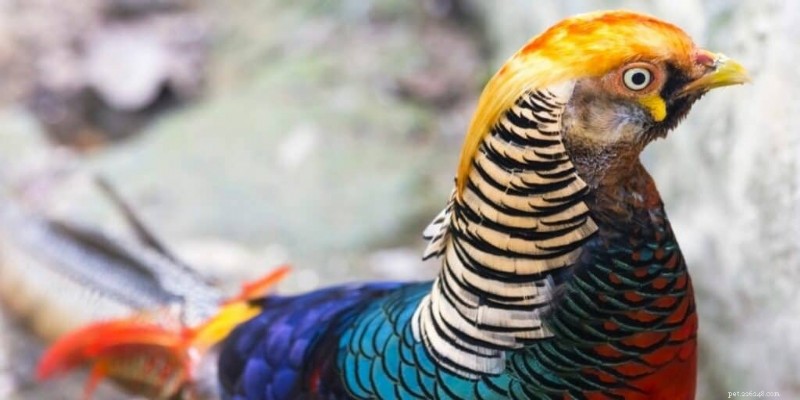
11. Golden Pheasant
- Order: Galliformes
- Family: Phasianidae
- Genus: Phasianus
- Species: Phasianus colchicus
The male Golden Pheasant displays a brilliant mix of iridescent green, blue, and gold feathers, while the female is more subdued. Native to the forested foothills of China and Vietnam, this gamebird is typically hidden in dense underbrush, emerging only as dusk falls. Though its numbers have declined, it remains common in parts of the UK, such as Tresco, Scilly, and Brownsea Island.
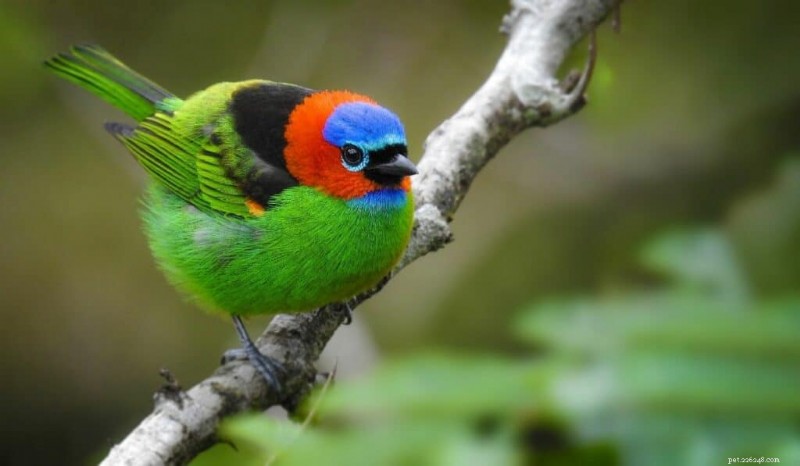
10. Red‑necked Tanager
- Order: Passeriformes
- Family: Thraupidae
- Genus: Tangara
- Species: Tangara cyanocephala
These birds are elusive, spending most of their time high in the forest canopy. Their distinctive “sip” call is a key identifier for birdwatchers. Males boast a striking green body, blue head and throat, and bright red or orange cheeks, while females are duller with a mottled black back.
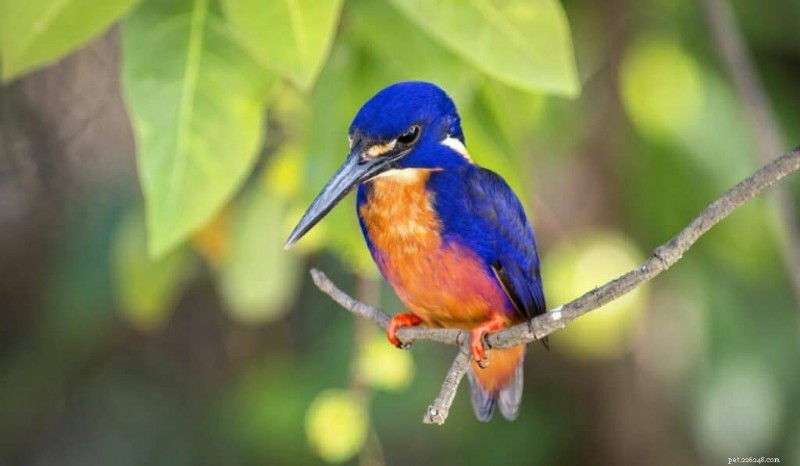
9. Blue/Azure Kingfisher
- Order: Coraciiformes
- Family: Alcedinidae
- Genus: Ceyx
- Species: Ceyx azureus
The Azure Kingfisher dazzles with its iridescent cobalt plumage, a result of structural coloration rather than pigment. Its powerful beak can crack ice to reach fish beneath the surface, making it one of the most formidable hunters in the waterfowl world.
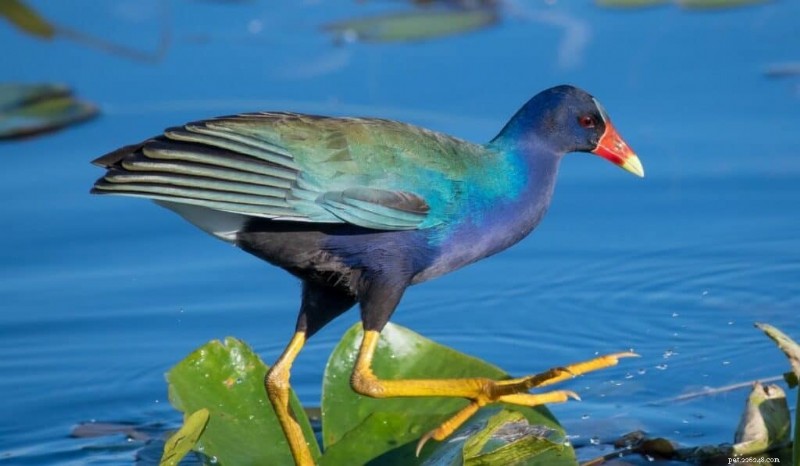
8. Purple Gallinule
- Order: Gruiformes
- Family: Rallidae
- Genus: Porphyrio
- Species: Porphyrio martinicus
Found along freshwater marshes in the southeastern United States, the Purple Gallinule’s striking plumage—rich purple, blue, and crimson—contrasts sharply with its bright yellow legs. Juveniles are brown, revealing the dramatic transformation that occurs at maturity.
7. Gouldian Finch
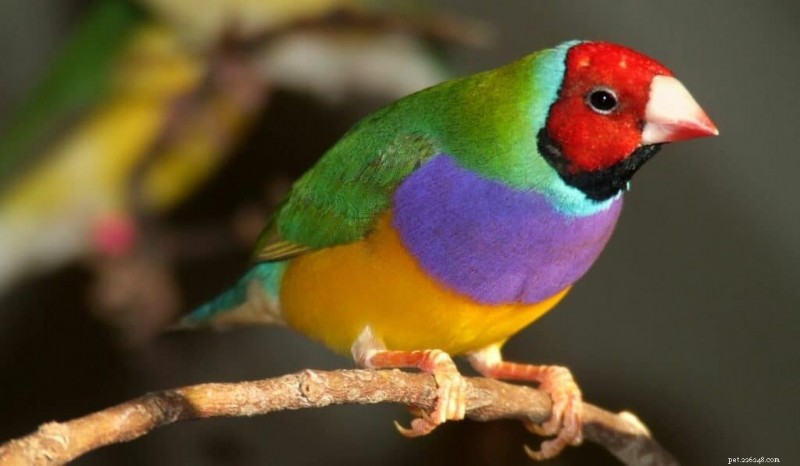
- Order: Passeriformes
- Family: Estrildidae
- Genus: Erythrula
- Species: Erythrula gouldiae
Native to the arid woodlands of northern Australia, the Gouldian Finch is prized for its rainbow‑like plumage. Males display a deep purple chest, whereas females show a softer lilac. At 125–145 mm, these birds are a favorite in aviaries, though they can command prices above $2,000.
6. Lilac‑breasted Roller
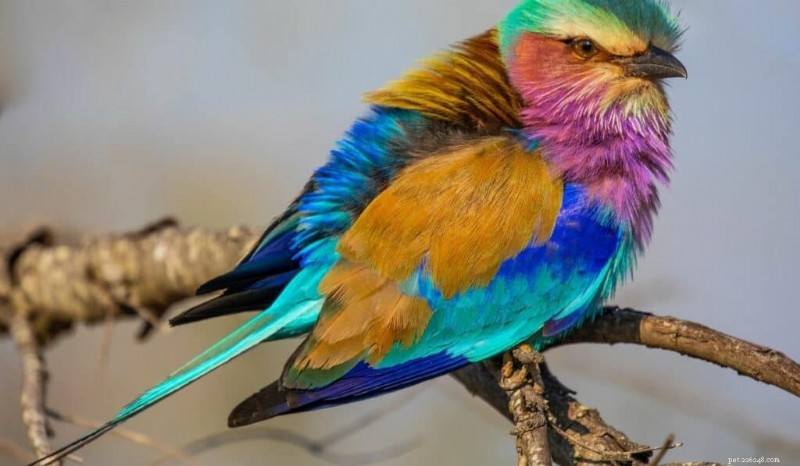
- Order: Coraciiformes
- Family: Coraciidae
- Genus: Coracias
- Species: Coracias caudatus
With a wingspan of 50–58 cm, the Lilac‑breasted Roller captivates during its dramatic courtship flights. Its brilliant turquoise body and vivid tail are visible even when the bird is airborne, making it a spectacular sight in eastern and southern Africa.
5. Crimson Rosella
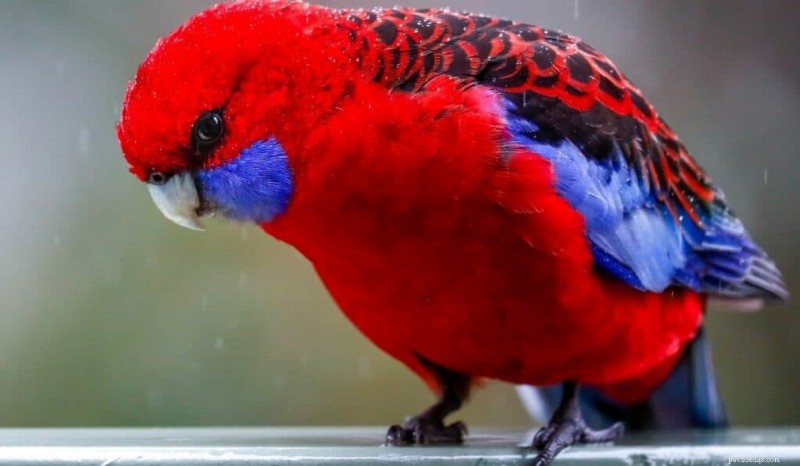
- Order: Psittaciformes
- Family: Psittaculidae
- Genus: Platycercus
- Species: Platycercus elegans
Native to eastern Australia, the Crimson Rosella thrives in open forests, gardens, and parks. Its vivid crimson, orange, and yellow plumage, coupled with a loud shriek, makes it a popular choice for Australian households and aviaries worldwide.
4. Lovebirds
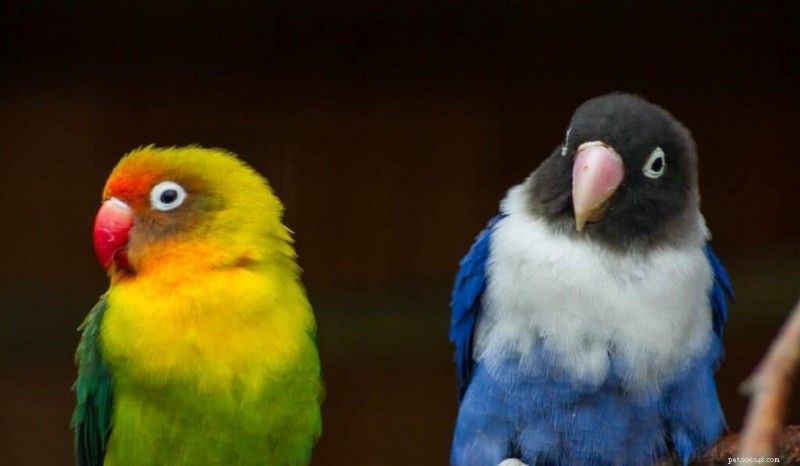
- Order: Psittaciformes
- Family: Psittaculidae
- Genus: Agapornis
- Species: Various (e.g., Agapornis roseicollis)
Lovebirds are small, colorful parrots that are well‑suited to home cages. Despite their modest size (5–7 inches), they exhibit vivid plumage and affectionate behavior, making them beloved companions. Their populations remain stable across Africa, with no immediate conservation concerns.
3. Crowned Woodnymph
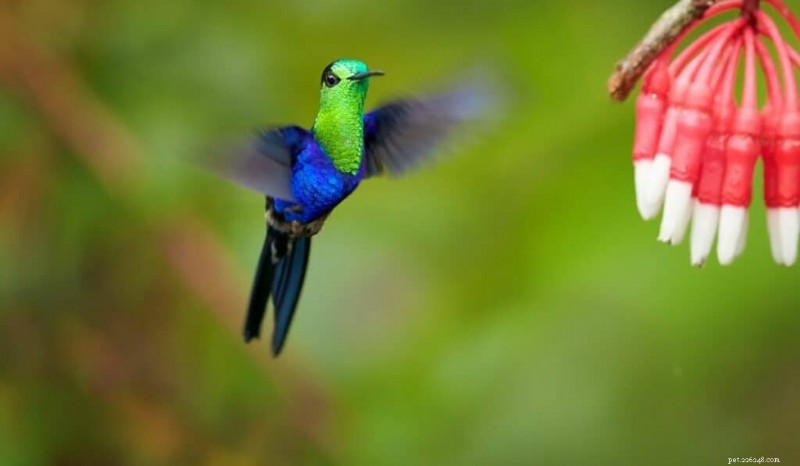
- Order: Apodiformes
- Family: Trochilidae
- Genus: Thalurania
- Species: Thalurania colombica
These hummingbirds, found across Central and South America, are a spectacle of color and speed. Measuring only 4–5 inches, they feed on nectar from a wide array of flowers, their iridescent feathers flashing as they hover with remarkable agility.
2. Scarlet Macaw
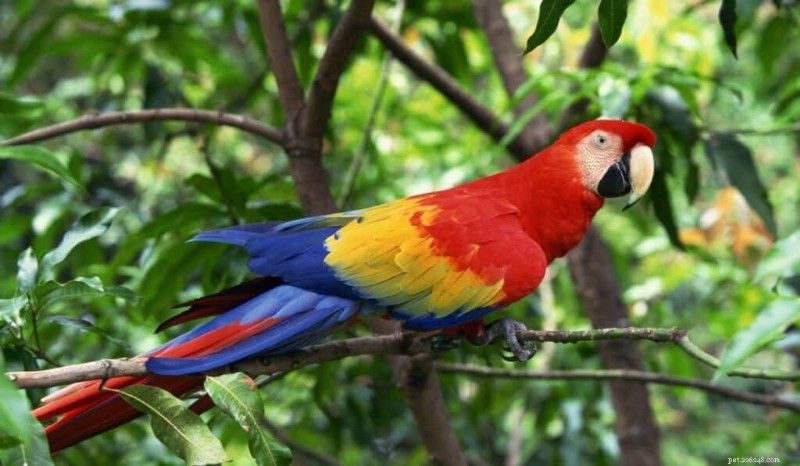
- Order: Psittaciformes
- Family: Psittacidae
- Genus: Ara
- Species: Ara macao
The Scarlet Macaw is among the most iconic parrots, known for its striking red, yellow, and blue plumage. Growing up to 33 inches tall with a massive wingspan, these birds are celebrated for their intelligence and capacity for speech. In captivity, they can command prices between $4,000 and $12,000.
1. Andean Cock‑of‑the‑rock
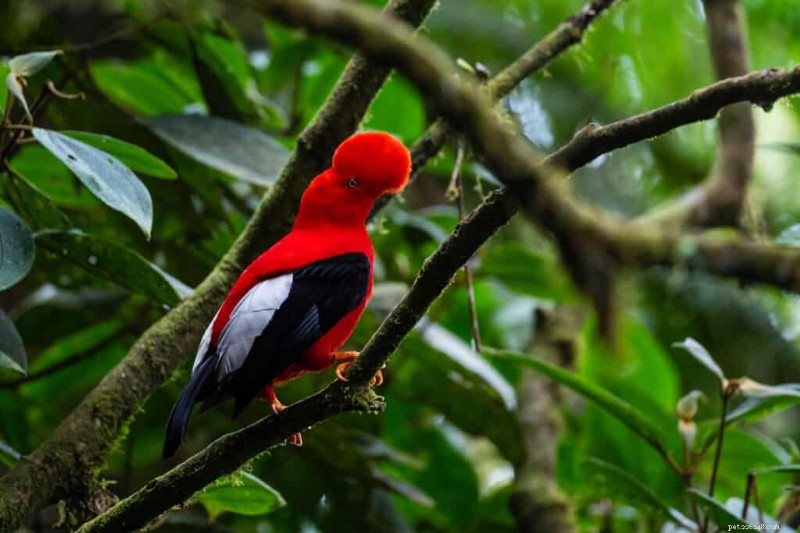
- Order: Passeriformes
- Family: Cotingidae
- Genus: Rupicola
- Species: Rupicola peruviana
The Andean Cock‑of‑the‑rock, also known as the tunki, inhabits the cloud forests of the Andes. At about 32 cm (13 in) long, it is a striking bird with a deep crimson body, white throat, and a flamboyant orange crown. As Peru’s national bird, it enjoys strong conservation protection.
Why Are Birds So Colorful?
- Defense: Bright colors can deter predators or signal toxicity.
- Mate attraction: Vivid plumage often signals health and genetic fitness to potential partners.
- Camouflage: In dense foliage, vibrant patterns can break up a bird’s outline, making it harder to spot.
While tropical regions boast many brightly colored species, the majority of birds worldwide exhibit more muted tones. Color changes during breeding seasons and seasonal migrations further illustrate the adaptive significance of avian plumage.
Final Thoughts
Whether you own a zebra finch, a budgie, or a lovebird, take a moment to observe their subtle hues and patterns. Beauty isn’t limited to rare or expensive species; often, the most familiar birds hold the most enchanting colors if you look closely.
- Companion Dog Certification Explained: Protecting You and Your Pet
- Are Mandarin Oranges Safe for Cats? Expert Tips & Risks
- Do Dogs Sense Death? A Scientific Exploration
- Expert Guidance on Palliative & Hospice Care for Your Dog
- Pyrenean Mastiff: Powerful Mountain Guard Dog
- The Definitive Guide to Treating and Preventing Fleas in Cats
- Why Cats Can't Eat Chocolate: The Risks Explained