

Top 7 Green Pet Parrots: Species, Care, and Cost Guide
Green parrots are among the most sought‑after companion birds due to their striking plumage, manageable size, and generally friendly personalities. Whether you’re a first‑time owner or a seasoned bird enthusiast, this guide will help you choose the right green parrot, understand its care needs, and budget accordingly.
Why Green? The Science Behind Their Color
While many birds get their hues from diet—think flamingos and carrots—green parrots owe their color to a genetic blend of yellow and blue pigments. A recent study identified the enzyme‑encoding gene responsible for yellow pigmentation in budgerigars; when this gene is inactive, the birds’ feathers shift from yellow to blue, illustrating how genetics drive the vibrant greens we see in captivity.
Popularity Drivers: Cost, Availability, and Personality
Green parrots are widely available from the wild, which keeps acquisition costs low compared to rarer species like the Scarlet Macaw. Their approachable size and sociable nature also make them ideal for families and beginners. Prices range from under $10 for a common budgerigar to $1,500 for a male Eclectus.
7 Must‑Know Green Pet Parrots
7. Male Eclectus (Eclectus roratus)
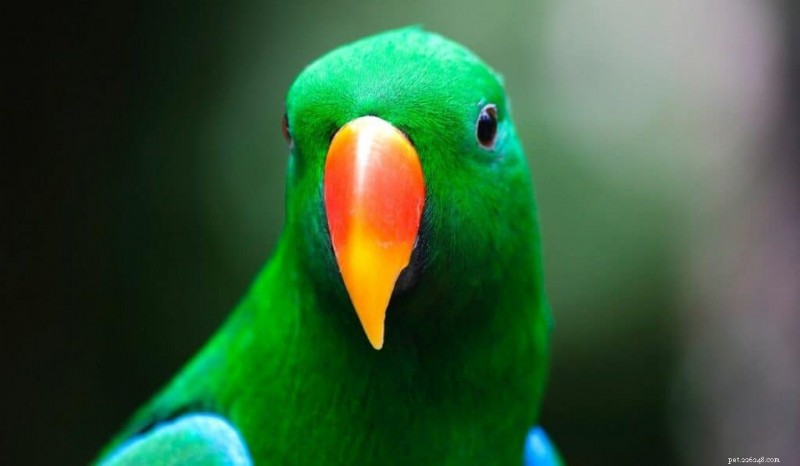
| Scientific Name | Origin | Size | Lifespan | Cost |
|---|---|---|---|---|
| Eclectus roratus | Northeastern Australia, Indonesia, New Guinea | 18–20 in | 30 yrs | $800–$1,500 |
Male Eclectus parrots display a dazzling green body with orange and yellow “candy‑corn” beaks, contrasting sharply with the bright red female. They thrive on a diet rich in fruits, nuts, and seeds, and require daily interaction and enrichment.
6. Lovebirds (Agapornis spp.)
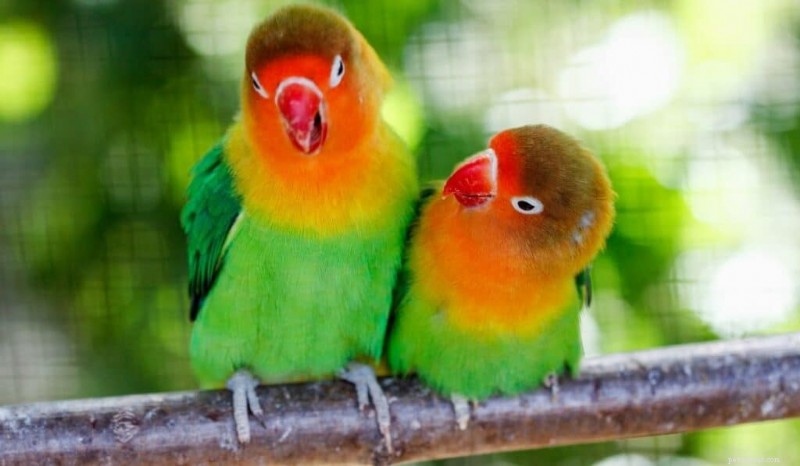
| Scientific Name / Family | Origin | Size | Lifespan | Cost |
|---|---|---|---|---|
| Agapornis spp. | Africa & Madagascar | 5–7 in | 10–15 yrs | $50–$80 |
Lovebirds are famed for their affectionate pair bonds and playful kisses. They come in pastel greens with colorful head markings and thrive on a balanced diet of seeds, pellets, and fresh greens.
5. Green Conure (Conuropsis fraterna)
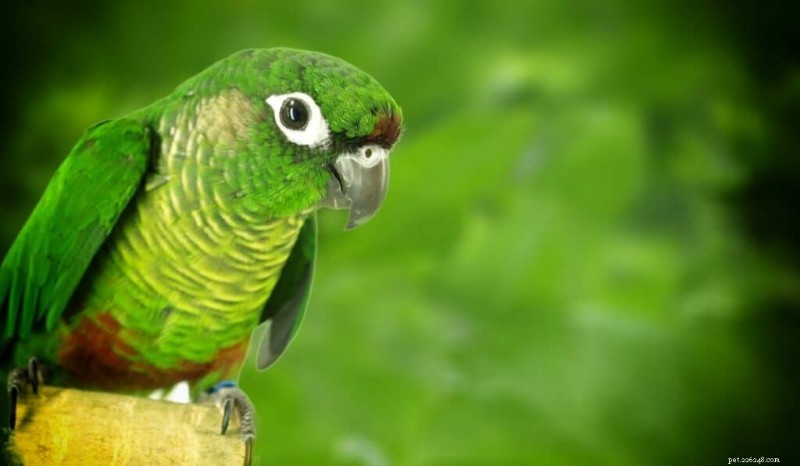
| Scientific Name / Family | Origin | Size | Lifespan | Cost |
|---|---|---|---|---|
| Conuropsis fraterna | South America | — | — | — |
Known for their long, striking tails and vibrant green plumage accented with red chests, these parrots demand daily exercise and mental stimulation. Their vivid coloration makes them a favorite among experienced owners.
4. Amazon Parrot (Amazona spp.)
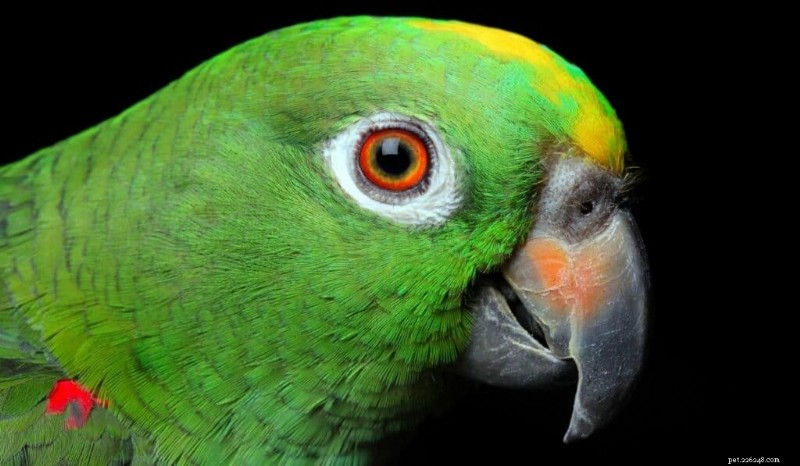
| Scientific Name / Family | Origin | Size | Lifespan | Cost |
|---|---|---|---|---|
| Amazona spp. | New World (Mexico, Caribbean, South America) | — | — | — |
Amazon parrots range from bright neon‑green to leaf‑green, often highlighted with red or yellow accents. They are intelligent and vocal, requiring robust social interaction and enrichment to prevent behavioral issues.
3. Quaker Parrot (Monk Parrot) (Myiopsitta monachus)
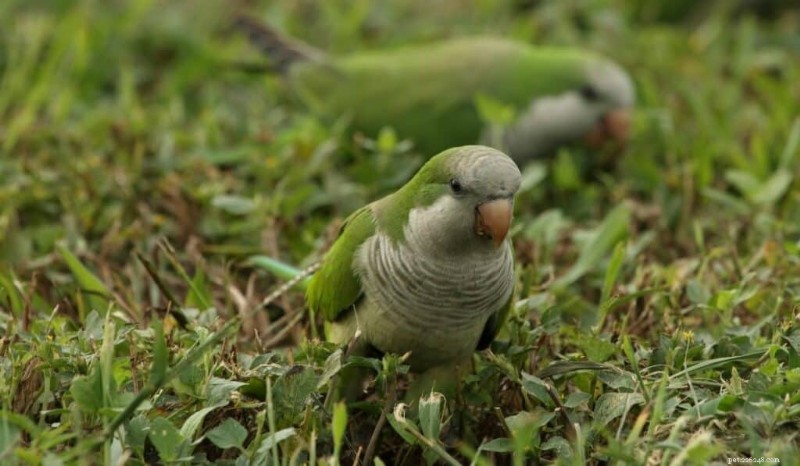
| Scientific Name / Family | Origin | Size | Lifespan | Cost |
|---|---|---|---|---|
| Myiopsitta monachus | Argentina & South America | — | 20–30 yrs | — |
Quaker parrots are compact, long‑lived, and display a soft green‑yellow body with occasional blue accents. They are playful, talkative, and thrive on companionship and mental challenges.
2. Budgerigar (Budgie) (Melopsittacus undulatus)
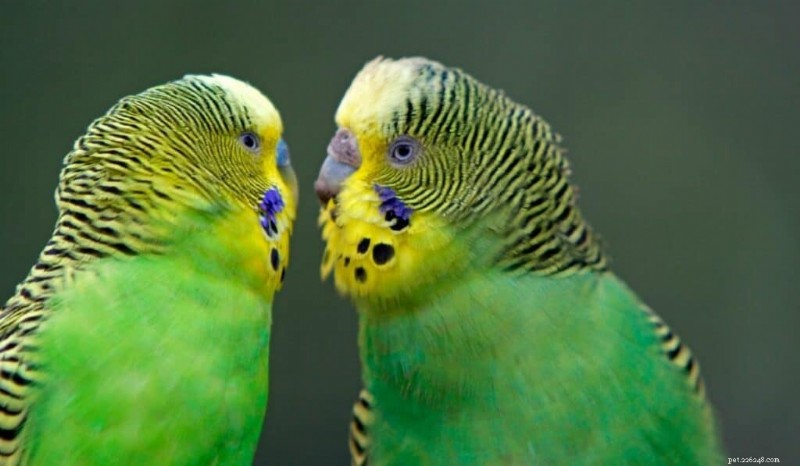
| Scientific Name / Family | Origin | Size | Lifespan | Cost |
|---|---|---|---|---|
| Melopsittacus undulatus | Australia | 2–4 in | 5–10 yrs | $10–$50 |
Budgies are the smallest parrot‑like birds, known for their bright pastel hues—including lime‑green—and sociable nature. They are ideal for beginners, offering a manageable size and gentle temperament.
1. Monk Parrot (Quaker Parrot) (Myiopsitta monachus)
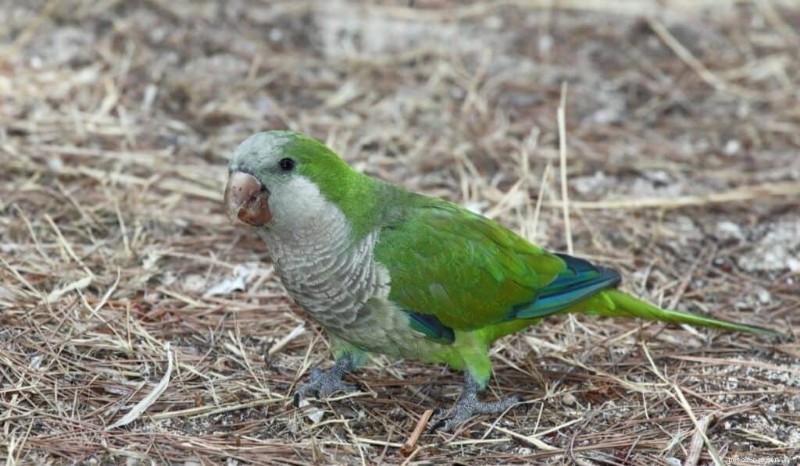
Often referred to interchangeably with the Quaker parrot, the monk parrot shares the same friendly, affectionate personality. They are small, with a pleasant green plumage and a knack for mimicking sounds.
Practical Care Tips for Green Parrots
- Space: Even small parrots need a cage that allows flight and manipulation of toys. For larger species, a minimum 24×24×36 inch cage is recommended.
- Diet: A balanced mix of high‑quality pellets, fresh vegetables, fruits, and occasional nuts is essential. Avoid foods high in sugar or salt.
- Enrichment: Provide daily mental stimulation—treat‑dispensing toys, puzzle feeders, and social interaction help prevent boredom and destructive behaviors.
- Health: Regular veterinary check‑ups, especially for larger species, ensure early detection of common avian ailments such as feather conditions or respiratory infections.
While the cheapest budgie can be purchased for under $10, the most expensive species on this list can cost $1,500. Long‑term costs include food, veterinary care, and enrichment, which can add up over the bird’s lifespan.
For larger parrots like the Scarlet Macaw, feeding costs can exceed $50 per month. Investing in a sturdy cage—such as the Prevue Parrot Cage—ensures safety and comfort.
- Rethinking the 'Alpha Dog' Myth: A Scientific Perspective
- What Your Cat Really Feels During Social Distancing
- How to Determine Your Kitten's Sex: A Simple, Reliable Guide
- 9 Reasons Your Cat Is Always Hungry — What It Means & How to Help
- Are Radishes Safe for Parrots? A Comprehensive Guide to Parrot Nutrition
- Disneyland Paris Faces Mystery Animal Intrusion
- 153 Vibrant Spanish Cat Names to Charm Your Feline Friend