

Why Parakeets Need a Nest Box: Expert Care Tips for Housing, Rest, and Breeding
Choosing the right environment for a new parakeet can feel daunting, especially when you’re unsure whether a nest box is essential. Below is a concise, evidence‑based guide that explains why a nest box is vital for your bird’s well‑being and how to set up a comfortable, healthy home.
Why a Nest Box Matters
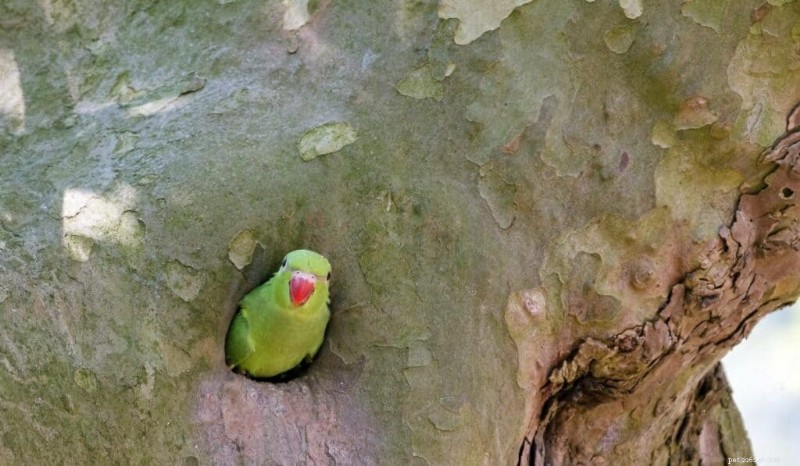
Domestic parakeets do not build nests on their own. In the wild they rely on tree cavities or crevices for privacy, rest, and, when breeding, for egg protection. In captivity a nest box fulfills these three core needs:
- Privacy & Security – A secluded space reduces stress and allows the bird to sleep undisturbed.
- Rest & Recovery – A quiet, dark area is essential for proper circadian rhythm and sleep quality.
- Breeding & Egg Care – A dedicated nesting cavity protects eggs from predators and keeps them at a stable temperature.
Choosing the Right Nest Box
For most pet parakeets a small, enclosed hut is sufficient. It should be:
- 3–4 inches in height and width, giving the bird ample space to tuck in.
- Made from non‑porous, easy‑to‑clean material (e.g., untreated pine or cedar).
- Equipped with a soft sleeping mat or bedding of shredded paper.
- Placed inside the cage so the bird can retreat into it whenever it wants.
Beyond the Nest: Essential Cage Setup
Size matters: a minimum of 18” × 18” × 24” is recommended, but larger is always better. Multiple perches (2–4) of varying diameters promote healthy feet and encourage natural climbing behavior.
We recommend the Prevue Hendryx Cage for its spacious interior and sturdy construction.
Lining the cage with recycled‑paper bedding keeps the environment clean; replace it at least every other day to prevent odor buildup. Position the cage below eye level, away from kitchen fumes, bright windows, and loud appliances to avoid irritation.
Provide fresh water daily, a balanced diet of high‑quality pellets, a seed mix, and a variety of fresh fruits and vegetables. Rotate toys—bells, chew toys, puzzle feeders, and swings—to stimulate mental engagement.
Why Cuttlebone Is a Must‑Have
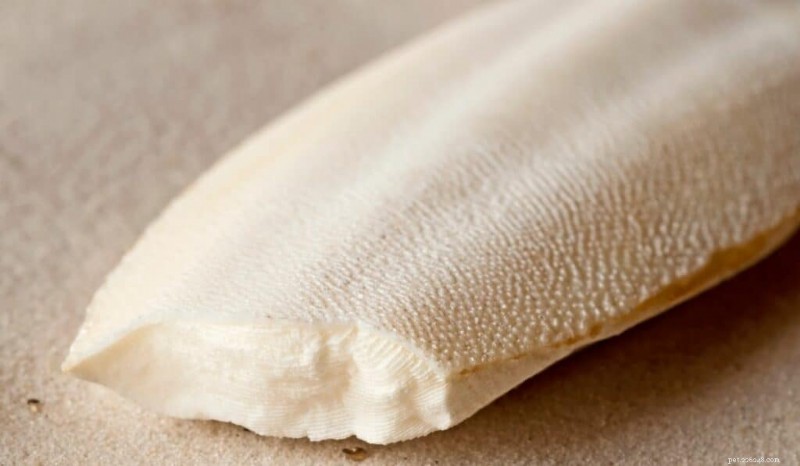
Cuttlebone serves as a natural beak‑trim and a source of calcium. The American Humane Society confirms it is safe for birds when used as directed. Place a cuttlebone in the cage and watch your parakeet enjoy a self‑maintenance routine.
Optimizing Sleep Habits
Parakeets thrive on 9–12 hours of rest per day. Key factors influencing quality sleep include:
- Partial darkness: use a low‑intensity night light or leave the cage lid open slightly.
- Quiet surroundings: keep the cage in a low‑traffic area and avoid sudden noises.
- Cleanliness: a tidy cage reduces anxiety.
- Stable temperature: maintain 70–80°F (21–27°C) for optimal comfort.
For a cozy retreat, the Keeris Soft Nest Box provides warmth and darkness, encouraging peaceful sleep.
Breeding Considerations
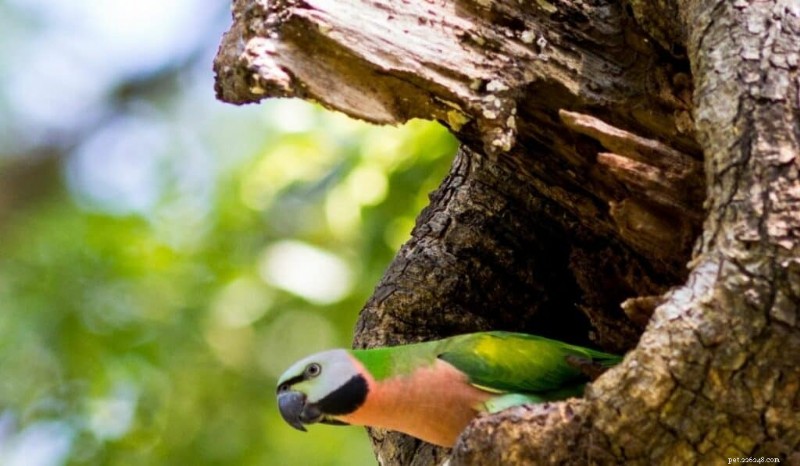
Parakeets can breed successfully in captivity, but timing and environment are crucial. Breeding pairs should be housed alone in a cage no smaller than 25” × 15” × 15” with a well‑lined nesting box attached to the side.
Key points:
- Season – Breeding peaks in spring and summer, but parakeets in temperate zones can mate year‑round with adequate daylight.
- Age – Physical maturity occurs around 6 months, yet mental maturity—necessary for responsible parenting—typically reaches 10 months.
- Pair bonding takes time; allow several days before intervening if the birds do not pair naturally.
Place soft nesting material inside the box. If a female lays eggs on the cage floor, gently relocate them to the box to reinforce proper nesting behavior.
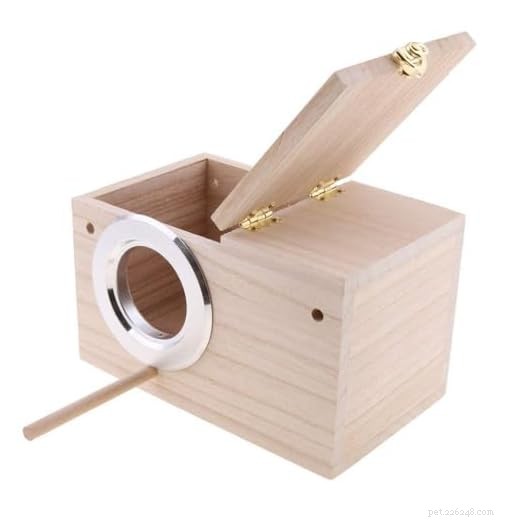
Example product: PINVNBY Parakeet Nest Box Bird House Budgie Wood Breeding Box (M:7.94.74.7 in) – available on Amazon.
Parenting Behavior & Handling
Once a parakeet becomes a parent, hormonal shifts can heighten protective instincts, leading to increased aggression. During this phase, limit handling to reduce stress. Over time, most birds calm down and may even allow gentle interaction with their chicks.
Bottom Line
A nest box is not merely a decorative accessory; it is a cornerstone of a parakeet’s health, safety, and reproductive success. Invest in a quality box, provide a spacious cage, maintain cleanliness, and monitor sleep and diet. With these fundamentals in place, your parakeet will enjoy a life of comfort and vitality.
- Why Dogs Typically Avoid Milk: A Science-Backed Look
- Do Ducks Have Tongues? Unveiling the Truth Behind Duck Oral Anatomy
- 122 Crystal & Gemstone‑Inspired Dog Names – Sparkle Like Your Pup!
- Can Dogs Safely Live Outside? Expert Guide on Outdoor Living for Dogs
- Brazilian Shorthair Cat: History, Traits, and Personality
- Teach Your Dog to Beg: A Simple, Step‑by‑Step Training Guide
- Doggie Diet Series: Part 1 – Decoding Pet Food Labels for Optimal Health